How Many Watts is a Vacuum Cleaner: Ultimate Power Guide 2025
Have you ever looked at your vacuum cleaner and wondered, “How many watts does this thing use?” Knowing the wattage of your vacuum isn’t just about numbers—it affects your electricity bill, cleaning power, and even how eco-friendly your appliance is. If you want to make smarter choices for your home and save money while keeping your space spotless, understanding vacuum cleaner watts is key.
Keep reading to discover what those watts really mean for you and how to pick the right vacuum that fits your needs perfectly.
Vacuum Cleaner Power Basics
Understanding how vacuum cleaners use power helps you choose the right one. Power affects cleaning strength and energy use. Knowing the basics about watts and power ratings makes buying easier. This section explains key concepts in simple terms.
Understanding Watts And Power
Watts measure the energy a vacuum cleaner uses. Higher watts mean the vacuum can use more electricity. But more watts do not always mean better cleaning. The vacuum’s motor power and design also affect performance. Watts show how much electricity the vacuum draws from the outlet.
Watts can range from 500 to 2000 in most vacuum cleaners. Small handheld vacuums use fewer watts. Larger models often need more watts for strong suction. Watts tell you about energy use, not suction power directly.
Why Power Rating Matters
The power rating affects both cleaning and energy costs. A higher watt vacuum may clean tougher dirt. But it also uses more electricity. Choosing the right power rating balances cleaning needs and energy savings. Power ratings help compare models quickly.
Low power vacuums may struggle with thick carpets or heavy debris. High power ones handle tough jobs but can be noisy. Knowing the watt rating helps avoid buying too weak or too strong a vacuum. It guides you to pick one that fits your home and budget.
Types Of Vacuum Cleaners
Vacuum cleaners come in various types, each designed for specific cleaning needs. Understanding the types helps you pick the right one. Different models use different power levels measured in watts. This affects how well they clean and how much energy they consume.
Upright Vacuums
Upright vacuums are tall and easy to push. They work well on carpets and large floor areas. These models often have high wattage for strong suction. Ideal for homes with lots of carpeted floors.
Canister Vacuums
Canister vacuums have a separate body connected by a hose. They are versatile and good for hard floors and stairs. Their wattage varies but usually balances power and portability. Great for detailed cleaning tasks.
Stick Vacuums
Stick vacuums are lightweight and slim. They use less power but are handy for quick cleanups. Battery-powered versions show wattage in volts instead of watts. Perfect for small homes or apartments.
Robotic Vacuums
Robotic vacuums clean automatically without human help. They have lower wattage but work for daily maintenance. Their compact design fits under furniture easily. Best for busy people or small spaces.
Handheld Vacuums
Handheld vacuums are small and portable. They use low watts but focus on spot cleaning. Easy to carry and good for cars or upholstery. Useful for fast, targeted cleaning jobs.
Average Wattage By Vacuum Type
Understanding the average wattage by vacuum type helps you make smarter choices about energy use and cleaning power. Each vacuum style uses a different amount of electricity based on its design and purpose. Knowing these differences can save you money on your energy bill and ensure you pick the right vacuum for your needs.
Typical Wattage For Upright Models
Upright vacuum cleaners generally consume between 600 to 1200 watts. These models pack a punch with powerful suction, which explains their higher energy use. If you have large carpeted areas, an upright vacuum offers strong cleaning but expect higher electricity consumption.
Canister Vacuum Power Range
Canister vacuums usually run between 500 and 900 watts. They are versatile and often come with multiple attachments for hard floors and furniture. Their wattage is moderate, balancing good suction with reasonable power use.
Stick Vacuum Watt Usage
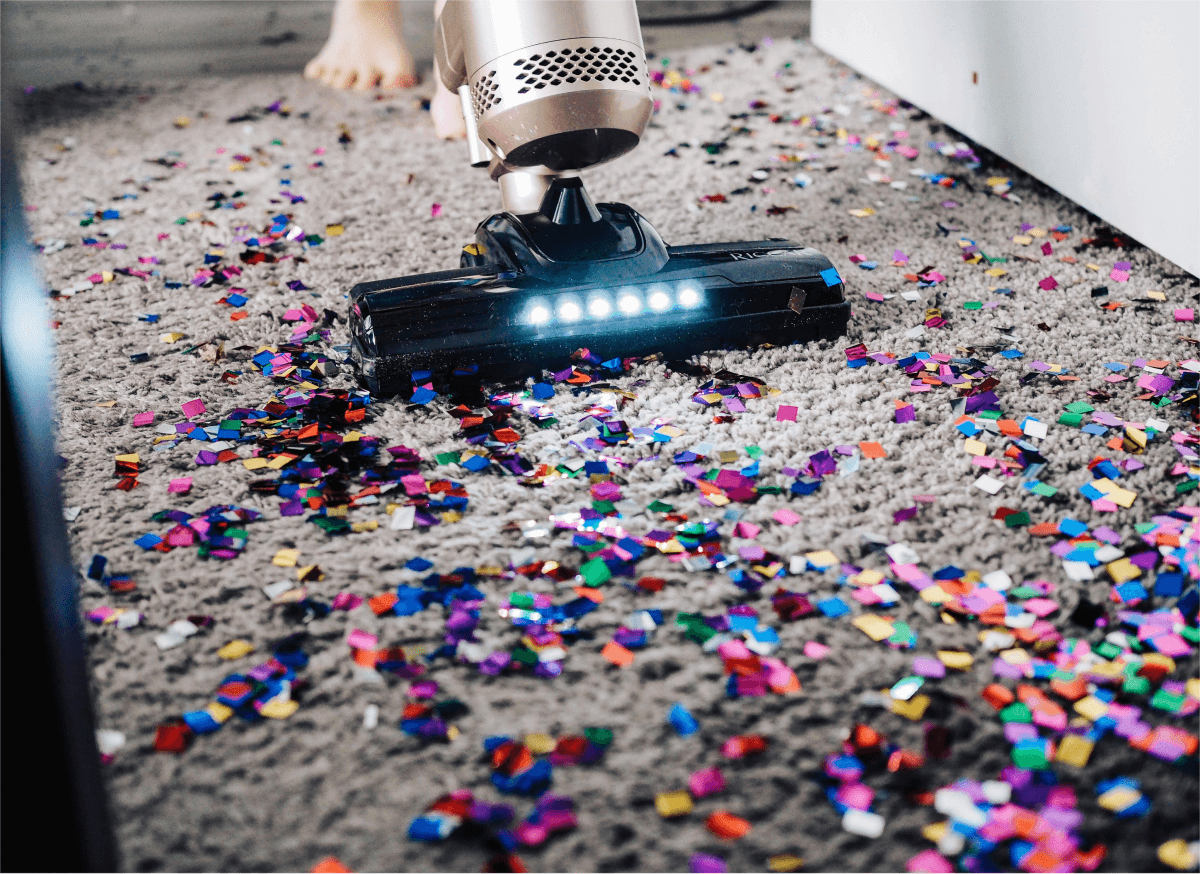
Stick vacuums typically use 100 to 300 watts, making them energy-efficient for quick clean-ups. They are lightweight and easy to maneuver but may lack the raw power of larger models. If you want a vacuum for spot cleaning or small spaces, stick vacuums can save energy without sacrificing convenience.
Power Specs For Robotic Vacuums
Robotic vacuums usually consume between 20 and 50 watts while running. Their smart navigation and scheduled cleaning features allow them to clean autonomously with minimal power use. Though they operate longer, their low wattage keeps overall consumption surprisingly low.
Handheld Vacuum Energy Consumption
Handheld vacuums generally draw 100 to 300 watts, similar to stick vacuums. Designed for quick, targeted cleaning, they use less power but deliver enough suction for small messes. If you often deal with crumbs or pet hair on furniture, a handheld vacuum offers an energy-smart solution.
Credit: www.jackery.com
Energy Efficiency Considerations
Energy efficiency is a key factor when choosing a vacuum cleaner. It affects electricity bills and environmental impact. Understanding energy use helps pick the right model.
Vacuum cleaners vary in wattage. Higher watts do not always mean better cleaning. Efficient models use less power but clean well. Focus on how energy is used, not just watts.
Energy Star Ratings
Energy Star is a trusted label for efficient appliances. Vacuums with this rating use less energy than standard models. They save money and reduce carbon footprint. Look for Energy Star when buying a vacuum.
Balancing Power And Efficiency
High power can mean strong suction but more energy use. Efficient vacuums balance power with smart design. They use technology to keep suction while lowering watts. This balance helps save energy without losing cleaning quality.
Technological Advances In Efficiency
New vacuum models use advanced motors and filters. These parts improve suction and reduce energy waste. Some use sensors to adjust power automatically. Innovations make vacuums cleaner and more energy-friendly.
Impact Of Wattage On Performance
The wattage of a vacuum cleaner often grabs your attention first, but how does it truly affect the machine’s performance? Understanding the impact of wattage helps you choose a vacuum that matches your cleaning needs without overspending on power or electricity. Let’s look deeper into what wattage means for suction, noise, energy use, and durability.
Suction Power Vs. Wattage
Many believe higher wattage means stronger suction, but that’s not always true. Wattage measures the energy the vacuum uses, not the suction force it produces. Some vacuums with lower wattage have advanced motor designs that create powerful suction efficiently.
Think about your last vacuum purchase. Did a high watt rating guarantee better cleaning? If you’ve noticed dust left behind despite a powerful motor, it’s likely due to the vacuum’s design, not just watts. Focus on suction specs like air watts or suction pressure instead of raw wattage numbers.
Noise Levels And Energy Use
Higher wattage vacuums tend to be louder because they push more power through the motor. But noise is also affected by the vacuum’s build and insulation. If you live in an apartment or have kids, a quieter vacuum could be more important than extra watts.
Energy use is another factor. A 2000-watt vacuum uses twice the electricity of a 1000-watt model if run for the same time. Would you rather clean faster with a high watt vacuum or save on your electricity bill with a lower watt one? This balance depends on your priorities and cleaning frequency.
Durability And Power Consumption
Vacuum cleaners with higher wattage motors may face more wear and tear due to increased heat and mechanical stress. However, quality engineering can offset this, making some high watt vacuums last longer than poorly built low watt models.
Power consumption doesn’t just affect your bill; it also hints at the vacuum’s efficiency. A vacuum that uses less power but cleans well is often more durable and better designed. When shopping, check user reviews focusing on long-term reliability alongside wattage specs.
Future Trends In Vacuum Cleaner Power
The future of vacuum cleaner power is shifting rapidly, driven by advances in technology and changing consumer demands. You might wonder how these changes will affect your next purchase or the efficiency of your cleaning routine. Understanding these trends can help you choose a vacuum that fits your lifestyle and energy goals.
Innovations In Power Technology
Battery life and motor efficiency are improving at a fast pace. Cordless vacuums now offer longer run times without sacrificing suction power. Some models use smart sensors to adjust power based on the surface, saving energy while maintaining performance.
Brushless motors are becoming more common, reducing wear and extending vacuum life. Imagine a cleaner that works harder but consumes less power—that’s where these innovations are heading. Are you ready to switch to a vacuum that works smarter, not just stronger?
Sustainability And Power Usage
Energy-efficient vacuums are gaining popularity as people become more eco-conscious. Manufacturers are designing products that meet strict energy standards without compromising cleaning ability. You can now find vacuums that use up to 30% less power than older models.
Recyclable materials and improved battery recycling programs are also part of the shift. Choosing a vacuum with lower power consumption means less strain on your electricity bill and the planet. How much energy do you want your vacuum to save on your next cleaning day?
Consumer Preferences For 2025
Consumers are prioritizing lightweight, powerful, and eco-friendly vacuums. Features like variable power settings and app connectivity allow you to customize your cleaning experience. Many are looking for models that balance strong suction with quiet operation.
Price remains important, but buyers are willing to invest in durability and energy savings. Do you see yourself opting for a vacuum that pays off in the long run by using less power and lasting longer?
Choosing The Right Vacuum Cleaner For You
Choosing the right vacuum cleaner is more than just picking one with high wattage. It’s about understanding how power translates to cleaning efficiency and matching that with your specific needs. Let’s break down what you should consider to find a vacuum that truly works for your space and lifestyle.
Assessing Your Cleaning Needs
Think about the size of your home and the type of messes you face regularly. Do you deal with a lot of pet hair or just everyday dust? Your cleaning routine—whether daily or occasional—also influences the vacuum you should choose.
For instance, if you have kids or pets, a vacuum with strong suction and good filtration is essential. On the other hand, if you live alone in a small apartment, a lightweight model might serve you better without compromising on power.
Matching Power To Floor Types
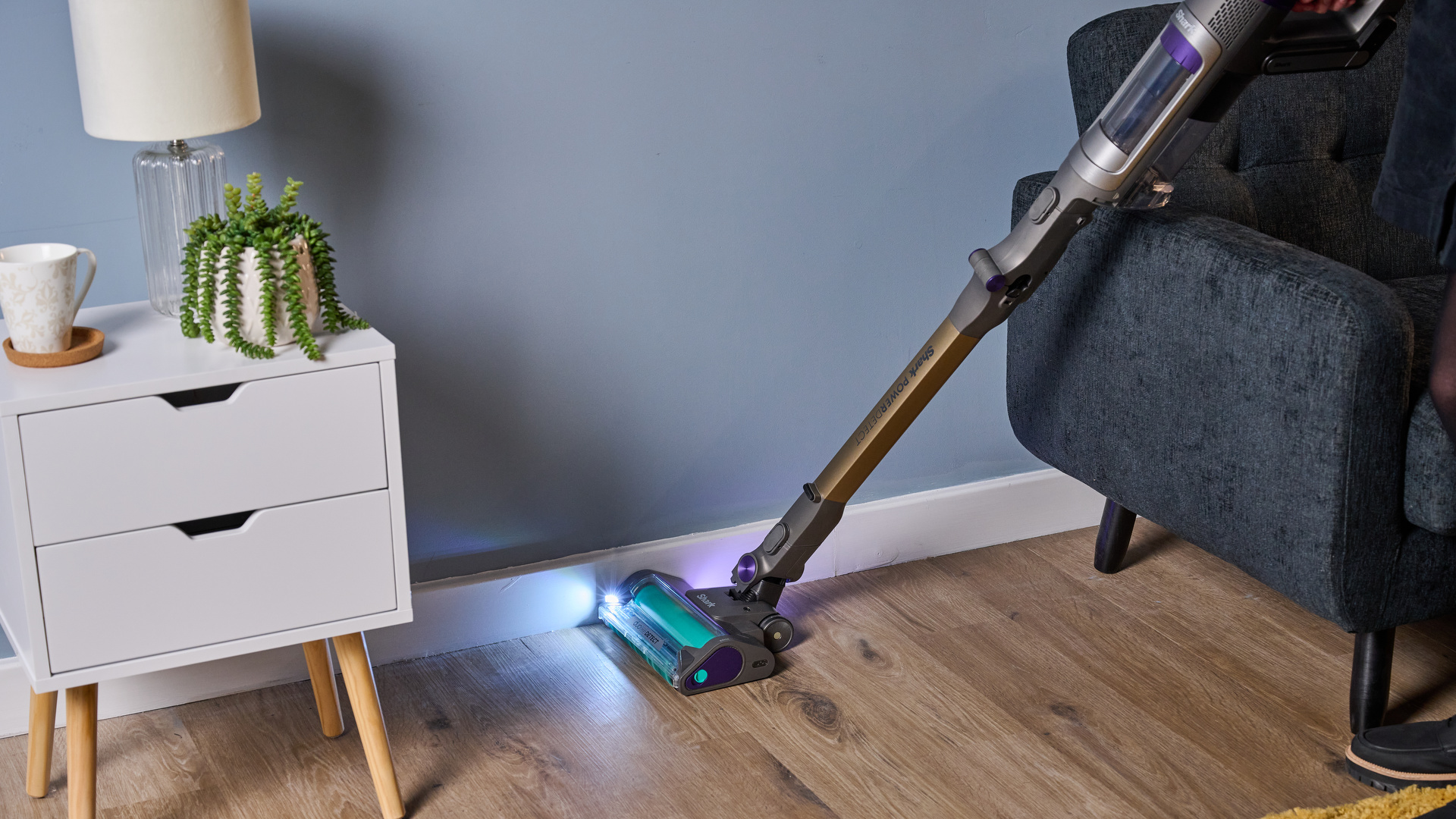
Different floors require different vacuum power levels. Hard floors like tile or hardwood don’t need as much suction as thick carpets do. Using a vacuum with the right wattage for your floor type improves cleaning and saves energy.
Consider models that offer adjustable suction settings. This feature allows you to switch power depending on whether you’re cleaning rugs, bare floors, or upholstery. Have you noticed how some vacuums struggle to pick up debris on carpet but work fine on hardwood? That’s why wattage and floor compatibility matter.
Budget Considerations
Higher wattage often means a higher price, but more power doesn’t always equal better value for your needs. Set a budget first, then look for models that balance power and features within that range.
Sometimes mid-range vacuums provide all the suction you need without the premium cost. Don’t forget to factor in long-term costs like replacement filters or bags. Would you prefer to spend a little more upfront to avoid frequent maintenance expenses?
Credit: www.techradar.com

Credit: oupes.com
Frequently Asked Questions
How Many Watts Do Typical Vacuum Cleaners Use?
Most vacuum cleaners use between 500 to 1500 watts. Higher watts usually mean stronger suction power and better cleaning efficiency.
Does Higher Wattage Mean Better Vacuum Performance?
Not always. Wattage shows power consumption, but design and motor quality impact actual suction and cleaning ability.
How Does Wattage Affect Energy Consumption Of Vacuums?
Higher wattage vacuums consume more electricity. Choosing energy-efficient models with moderate watts saves power without losing cleaning effectiveness.
Can Low Wattage Vacuums Clean Effectively?
Yes, modern low watt vacuums use advanced technology to maintain strong suction and clean well despite lower power use.
Conclusion
Vacuum cleaners use different watts depending on their power and size. Higher watts often mean stronger suction but more energy use. Choosing the right wattage helps balance cleaning needs and electricity costs. Remember, bigger watts don’t always mean better cleaning.
Consider your home size and floor type before buying. Understanding watts helps you pick a vacuum that works well and saves energy. Keep this in mind for a cleaner home without wasting power. Simple knowledge makes shopping easier and smarter.

Jaxon Wilder is a tech enthusiast and contributor at ElectroDoz, where he dives into the latest trends in electronics and smart gadgets. With a sharp eye for innovation and hands-on testing, Jaxon brings readers practical reviews, tips, and insights on everything from everyday tech accessories to advanced devices. His goal is to make technology simpler, smarter, and more enjoyable for everyone.