

How Much Water Does a Whole House Humidifier Use: Ultimate Guide
Are you wondering how much water a whole house humidifier uses? If you’ve recently installed one or are thinking about it, knowing this can help you manage your water bill and keep your home comfortable.
You might be surprised by how much—or how little—water these systems actually consume. You’ll discover the facts that make a real difference in your daily life. Keep reading to learn exactly what to expect and how to get the most from your humidifier without wasting water.
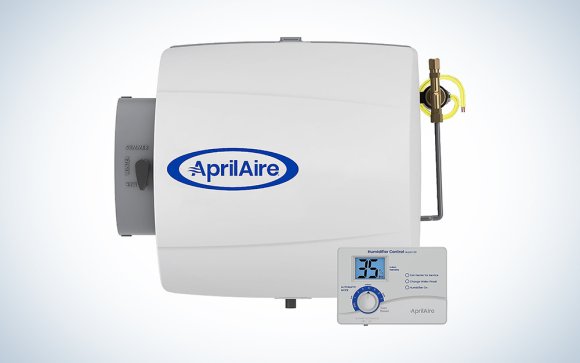
Credit: www.popsci.com
Whole House Humidifier Basics
Understanding the basics of whole house humidifiers can make a huge difference in your home’s comfort level, especially during the dry months. These devices are designed to maintain optimal humidity levels throughout your home, preventing dry skin, static electricity, and even damage to wooden furniture. But how exactly do they work, and what types should you consider?
Types Of Humidifiers
Whole house humidifiers generally fall into three main categories: evaporative, steam, and ultrasonic. Each type has its own way of adding moisture to your indoor air.
- Evaporative Humidifiers:These are the most common and work by blowing air over a wet wick, filter, or belt.
- Steam Humidifiers:Known for their efficiency, they heat water to create steam and disperse it through your HVAC system.
- Ultrasonic Humidifiers:These use ultrasonic vibrations to create a fine mist, which is then distributed throughout the home.
Choosing the right type depends on your specific needs and home environment. For instance, if you have a large home, a steam humidifier might be more suitable due to its effectiveness in covering larger areas.
How They Work
Whole house humidifiers are typically integrated into your home’s HVAC system, distributing moisture through the air ducts. This ensures that every room receives a consistent level of humidity, which can be particularly beneficial in open-plan homes.
Some systems allow you to set a specific humidity level, automatically adjusting to maintain it. This means you can enjoy a comfortable atmosphere without constant manual adjustments.
Have you ever noticed how dry air can make your skin feel itchy or your throat scratchy? A whole house humidifier can help alleviate these problems, making your home more inviting.
Considering the benefits, it’s worth asking yourself: is your home environment as comfortable as it could be? A whole house humidifier might just be the answer.
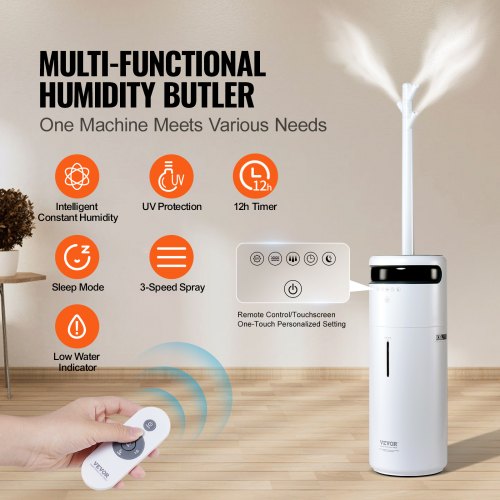
Credit: www.vevor.com
Factors Affecting Water Usage
Understanding the factors that affect how much water a whole house humidifier uses can help you manage your home’s moisture levels more efficiently. Water consumption varies widely depending on several key elements in your living space and climate. Knowing these can save you money and improve your comfort.
Humidity Settings
The higher you set your humidifier’s humidity level, the more water it will consume. If you prefer a very moist environment, expect increased water use. Lower settings reduce water consumption but may not fully alleviate dryness during harsh winters.
Think about what humidity level feels comfortable for you. Have you noticed a difference in water usage when you adjust the settings? Small changes can have a big impact on how much water your system uses daily.
Home Size And Layout
A larger home requires more water to maintain consistent humidity throughout the space. Open floor plans allow moisture to spread easily, potentially lowering water use compared to many small, closed rooms.
If your home has multiple floors or many rooms, your humidifier will work harder, increasing water consumption. Consider how your home’s layout affects airflow and humidity distribution—this can guide your humidifier’s placement and settings.
Outdoor Weather Conditions
Dry, cold weather outside means your humidifier must work overtime to keep indoor air comfortable. The drier the outdoor air, the more water your system uses to add moisture inside.
Have you tracked your water usage across different seasons? Noticing spikes during winter months is common because heating systems dry out indoor air more than summer conditions do. Adjusting settings seasonally can help balance comfort and water efficiency.
Average Water Consumption Rates
Understanding the average water consumption of a whole house humidifier helps manage water bills. It also ensures the device runs efficiently. Water use varies based on several factors like the humidifier model, home size, and local climate.
Daily Usage Estimates
On average, a whole house humidifier uses between 1 to 3 gallons of water per day. Smaller units may consume less, around 1 gallon daily. Larger or more powerful units can use closer to 3 gallons. The exact amount depends on how long the humidifier runs each day and the humidity level set.
During dry days, the humidifier runs more, increasing water use. On milder days, it uses less water as the air holds more moisture naturally.
Monthly And Seasonal Variations
Water consumption changes with the seasons. In winter, the air is drier, so humidifiers run longer. This leads to higher water use, sometimes over 60 gallons per month.
In spring and fall, the need for humidification decreases. Monthly water use drops to about 20 to 40 gallons. Summer usually requires little to no humidifier use, cutting water use almost to zero.
Tracking these variations helps plan water use and maintain the humidifier properly. Regular checks prevent waste and keep your home comfortable.
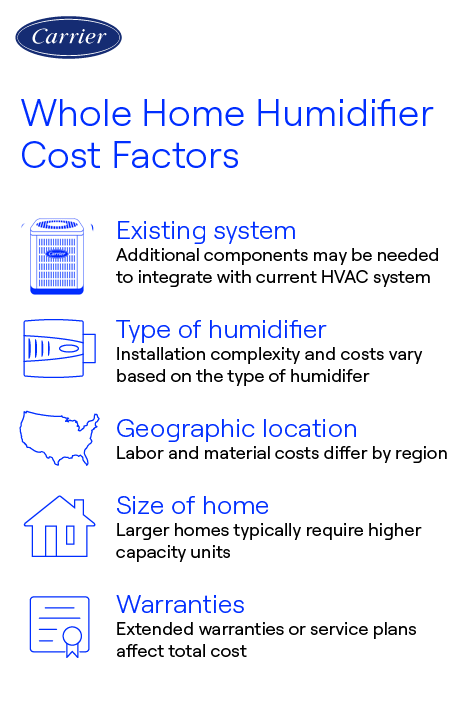
Credit: www.carrier.com
Water Efficiency Tips
Water efficiency is key when using a whole house humidifier. It not only helps reduce your water bill but also supports environmental care. Small changes in how you manage your humidifier can make a big difference in water use.
Optimizing Humidifier Settings
Setting your humidifier to the right level is crucial for saving water. Many people think higher humidity means better comfort, but it can lead to excess water use and even mold growth.
Try adjusting the humidity level to around 40-50%. This range balances comfort and efficiency. You can also use a hygrometer to monitor indoor humidity accurately and avoid over-humidifying.
Maintenance For Efficiency
Regular maintenance keeps your humidifier running efficiently and reduces water waste. Cleaning the unit and replacing filters on time prevent clogging and buildup that cause excessive water use.
Check for leaks or worn parts that might be silently wasting water. I once ignored a small drip in my humidifier, and it ended up using much more water than it should. Don’t let this happen to you.
Using Water-saving Models
Some whole house humidifiers are designed to use water more efficiently than others. Look for models with automatic humidity sensors and adjustable water flow controls.
These features help the unit use only the water needed to maintain your set humidity level. Investing in a water-saving model may cost more upfront but can save you money and water in the long run.
Impact On Water Bills
Whole house humidifiers use water to add moisture to indoor air. This extra water use affects monthly water bills. Understanding this impact helps homeowners manage costs better. The amount of water used depends on the system type and home size.
Calculating Additional Costs
Calculate water use by checking the humidifier’s daily water consumption. Multiply this by the number of days used in a month. Then, multiply total gallons by your local water rate per gallon. This gives an estimate of added water costs.
Example:
- Daily water use: 3 gallons
- Days used: 30
- Total gallons: 90
- Water rate: $0.005 per gallon
- Monthly cost: 90 × $0.005 = $0.45
Most whole house humidifiers add less than a dollar to water bills monthly. Check your device’s manual for exact water consumption data.
Comparing Humidifier Types
Different humidifier types use water differently. Evaporative models pull water through a wick or pad. Steam models boil water, using more energy but less water. Ultrasonic types use vibrations to create mist, using less water overall.
| Humidifier Type | Water Usage | Energy Usage |
|---|---|---|
| Evaporative | Moderate | Low |
| Steam | Low | High |
| Ultrasonic | Low | Low |
Choosing the right type can lower water and energy costs. Consider usage patterns and home size for best results.
Environmental Considerations
Whole house humidifiers use a significant amount of water daily. This usage impacts the environment and local water resources. Thinking about environmental considerations helps reduce this impact. Small changes in water use can lead to big savings. It also supports sustainable living and protects nature.
Water Conservation Strategies
Use a humidistat to control humidity levels precisely. Avoid over-humidifying to save water and energy. Regularly check for leaks in the humidifier system. Fix leaks quickly to prevent water waste. Choose models with high efficiency and low water use. Clean the unit often to keep it working well. Consider timing humidifier operation during low-use water hours.
Eco-friendly Alternatives
Explore steam humidifiers that recycle water efficiently. Use plants indoors to naturally increase humidity. Place water trays near heat sources to evaporate water slowly. Look into whole house systems that use rainwater or greywater. Select humidifiers made from recyclable materials. Opt for energy-efficient models to reduce environmental impact. These alternatives help reduce water use and support a greener home.
Troubleshooting Excessive Water Use
Excessive water use in a whole house humidifier can increase utility bills and waste water. Identifying the cause helps save money and protect the environment. Troubleshooting involves checking parts and settings carefully. Small issues often cause large water consumption. Early detection prevents bigger problems.
Common Issues
- Clogged or dirty filters reduce water flow control.
- Faulty water valve may stay open too long.
- Incorrect humidistat settings cause constant operation.
- Leaking pipes or connections waste water continuously.
- Damaged or worn-out pads absorb too much water.
- Improper installation affects water distribution and use.
Cleaning or replacing parts often fixes these problems. Regular maintenance keeps water use steady and efficient.
When To Call A Professional
Persistent high water use needs expert help. A professional technician can diagnose hidden issues quickly. Complex repairs require special tools and skills. Calling a professional prevents damage to the system and home. Schedule an inspection if troubleshooting does not reduce water use.
Frequently Asked Questions
How Much Water Does A Whole House Humidifier Use Daily?
A whole house humidifier typically uses 2 to 4 gallons of water per day. Usage depends on home size, humidity settings, and outdoor climate.
Does Water Usage Vary By Humidifier Type?
Yes, steam humidifiers generally use less water than evaporative models. Efficiency depends on the technology and system design.
Can Water Consumption Affect My Water Bill?
Yes, increased water use by the humidifier can raise your bill slightly. Proper maintenance helps minimize excess water waste.
How To Reduce Water Usage In Whole House Humidifiers?
Lower humidity settings, regular maintenance, and timely filter changes reduce water use. Efficient models also help conserve water effectively.
Conclusion
A whole house humidifier uses water based on size and settings. Smaller homes use less water than bigger ones. Running the humidifier all day uses more water. You can save water by adjusting the level. Regular checks help spot leaks or waste.
Good humidity keeps your home comfortable and healthy. Knowing water use helps you plan better. Simple steps can lower water bills and save energy. Choose the right humidifier for your home’s needs. Keep your space cozy without using too much water.

Jaxon Wilder is a tech enthusiast and contributor at ElectroDoz, where he dives into the latest trends in electronics and smart gadgets. With a sharp eye for innovation and hands-on testing, Jaxon brings readers practical reviews, tips, and insights on everything from everyday tech accessories to advanced devices. His goal is to make technology simpler, smarter, and more enjoyable for everyone.