
How Many Wh to Charge a Phone: Maximize Efficiency
Have you ever wondered just how much energy it takes to charge your phone? You’re not alone.
Every time you plug in your device, you’re tapping into a world of watts and volts that power your digital life. Understanding this can not only satisfy your curiosity but also help you make smarter choices about your energy use.
Imagine knowing exactly how many watt-hours (Wh) it takes to give your smartphone the boost it needs. This knowledge can empower you to optimize charging practices, potentially save on electricity, and contribute to a greener planet. Dive into this article to uncover the fascinating facts about phone charging and transform the way you think about powering up your devices.

Credit: www.anker.com
Understanding Phone Battery Capacity
Phone batteriescome in various sizes. The most common sizes are 2000mAh, 3000mAh, and 4000mAh. Smaller batteries may need charging more often. Larger batteries last longer without charging.
Battery size impacts how often you charge. Smaller batteries drain quicker. Larger batteries are better for heavy use. Choosing the right size can save time and energy.
Battery capacity is measured in Watt-hours (Wh). It shows how much energy a battery can hold. More Wh means more energy storage. Calculate Wh by multiplying volts by ampere-hours.
Understanding Wh helps you know charging needs. Higher Wh means less frequent charging. Knowing Wh helps choose the right charger. It ensures efficient charging and battery health.
Credit: m.youtube.com
Charging Efficiency Explained
Many things affect how well a phone charges. Battery size is one important factor. Bigger batteries need more energy. Temperature also matters. Phones charge slower in cold places. Hot places can make charging less safe. Cable quality is another factor. Good cables carry power better. Old or broken cables can slow charging down. Phone settings change efficiency too. Some settings use more power. Turning off apps can help. Charging speed can be faster with some settings.
Power adapters help phones charge. They turn electricity into power for the phone. Not all adapters are the same. Some give more power. Fast chargers give more energy quickly. Slow chargers give less. Using the right adapter is important. Voltage affects charging speed. Higher voltage can charge faster. Low voltage takes longer. Quality of the adapter is key. Good adapters are safe. Bad ones can hurt the phone. Choose the right adapter for the best charge.
Calculating Energy Needed
Phones need energy to charge. This energy is measured in Watt-hours (Wh). To find how many Wh you need, you first look at voltage and amperage. Voltage is how strong the power is. Amperage tells us how much power flows. You can find these numbers on your phone’s charger.
Multiply voltage by amperage to get watts. Then, multiply watts by the time in hours. This gives you Watt-hours. For example, if your phone uses 5 volts and 2 amps for 2 hours, the calculation is: 5 volts 2 amps 2 hours = 20 Wh. Now, you know how much energy your phone needs to charge fully.
Optimizing Charging Practices
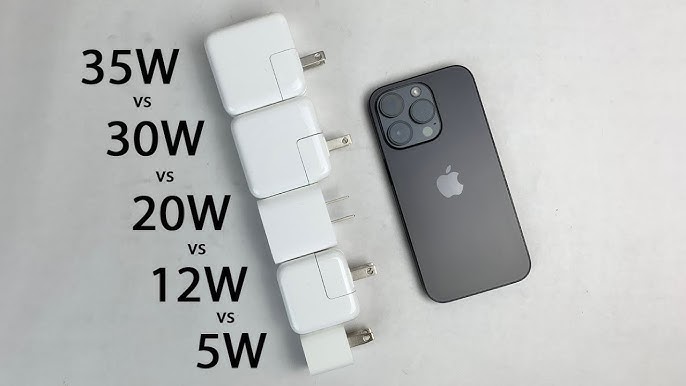
Using the right charger helps your phone. Chargers come in different types. Some are fast chargers. Others are regular chargers. Fast chargers charge quickly. But, they can heat your phone. Regular chargers are slower. They are gentler on the battery. Always check your phone’s manual. It tells the best charger to use. Avoid using a cheap charger. It might harm your phone.
Charging at the right time saves battery life. Avoid charging all night. It can overcharge the battery. Charging during the day is better. Try to keep your battery between 20% and 80%. This keeps it healthy. Avoid letting the battery drop to zero. It can damage the battery. Short charging times are better than long ones. It keeps your phone safe.
Reducing Energy Consumption
Charging a phone typically uses around 5 to 10 watt-hours (Wh). This small amount of energy can add up over time, emphasizing the importance of mindful energy use. By understanding this, we can make better choices to reduce energy consumption daily.
Turning Off Unnecessary Features
Smartphones have many features we don’t use daily. Turning off these features saves energy. Wi-Fi, Bluetooth, and Location services use a lot of power. Turning them off when not needed can help. Bright screens drain battery fast. Lowering brightness saves energy. Vibration notifications also use extra power. Use sound alerts instead. Apps running in the background consume energy. Close them when not in use. These simple steps make your phone’s battery last longer.
Using Battery Saver Modes
Most phones have a Battery Saver Mode. This mode limits background apps and lowers brightness. It can extend battery life for hours. Use it when your battery is low. Battery Saver Mode also stops unnecessary updates. This saves power and keeps your phone running longer. It’s easy to turn on and helps a lot. Always use it when you need to save battery.
Emerging Technologies
Fast charging helps phones charge quickly. New chargers can fill the battery in minutes. This is great for people in a hurry. Special cables make this possible. They send more power to the phone. Battery health is important. Too much power can harm batteries. Smart chargers are clever. They adjust power to keep batteries safe.
Wireless charging makes life easy. No need for cables. Charging pads are used for this. Put your phone on the pad. It starts charging. No cords to worry about. New technology makes it faster. Phones charge in less time. Convenience is key. Just place and go. Safe charging is important. Wireless chargers are designed to protect batteries.
Credit: www.honor.com
Frequently Asked Questions
How Many Watt-hours Does A Phone Use?
A typical smartphone uses between 5 to 15 watt-hours to fully charge. This varies by model and battery capacity. Smartphones with larger batteries consume more watt-hours. Efficient charging practices can also affect the total energy used. Always use the recommended charger for optimal efficiency.
How Long Does It Take To Charge A Phone?
Charging time depends on the phone’s battery size and charger output. Typically, a full charge takes 1 to 3 hours. Fast chargers reduce this time significantly. For optimal battery health, avoid overcharging your phone. Check the manufacturer’s guidelines for specific charging times.
Is Fast Charging Bad For Phone Batteries?
Fast charging is generally safe for modern smartphones. Manufacturers design batteries to handle fast charging. However, excessive heat can reduce battery lifespan. Use manufacturer-recommended chargers to minimize risks. Follow any specific charging instructions provided by the phone’s manufacturer.
Can I Charge My Phone With A Lower Watt Charger?
Yes, you can use a lower watt charger, but charging will be slower. It will not harm the battery. However, it might not charge as efficiently. Always use a charger that meets the phone’s minimum wattage requirements for optimal performance.
Conclusion
Charging your phone efficiently saves energy and prolongs battery life. Knowing watt-hours needed helps plan charging times better. It prevents overcharging and conserves power. Always use the right charger for your device. This ensures a safe and efficient charge. Monitor your phone’s battery health regularly.
This will help maintain its performance over time. Understanding power consumption is key. It’s not just about plugging in your phone. It’s about being smart with energy use. Small steps make a big difference. Keep these tips in mind for a healthier battery.
Enjoy longer-lasting battery life daily.

Marlowe Quinn is a technology writer at ElectroDoz, with expertise in smartphones, chargers, power banks, phone cases, selfie sticks, and other mobile accessories. Known for breaking down specs and features into easy-to-understand insights, Marlowe helps readers find the right gadgets to stay connected and powered up in their daily lives.