

How to Charge a Phone With Batteries: Quick Guide
Have you ever found yourself in a situation where your phone is dying and there’s no power outlet in sight? It’s frustrating, right?
Imagine being on a hiking adventure, or stuck in a power outage, and you desperately need to make a call or check a map. What if you could charge your phone using something as simple as batteries? Yes, it’s possible, and we’re going to show you how.
This guide will walk you through the steps to give your phone a quick boost using basic household items. Stay with us as we unveil this handy trick that could save the day. You’re about to discover a simple solution that transforms your everyday batteries into a lifeline for your digital connection. Let’s get started!
Essential Tools And Materials
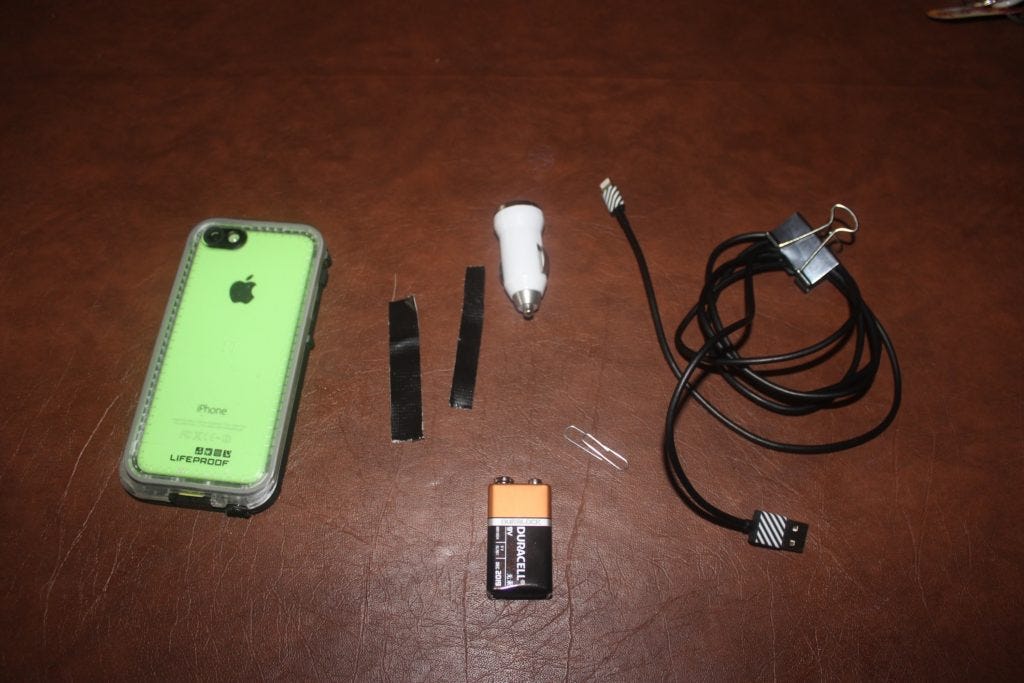
Charging a phone with batteries requires a few essential tools and materials. You need AA batteries, a battery holder, and a USB cable. These items work together to create a power source for your phone, providing an alternative charging method when traditional options aren’t available.
Required Battery Types
To charge a phone with batteries, you need specific types. AA batteries are common and easy to find. Lithium batteries can hold more power. You might need several batteries. Connect them together for more energy. Rechargeable batteries are also an option. They can be used again and again. Choose the right type for your phone.
Basic Tools Needed
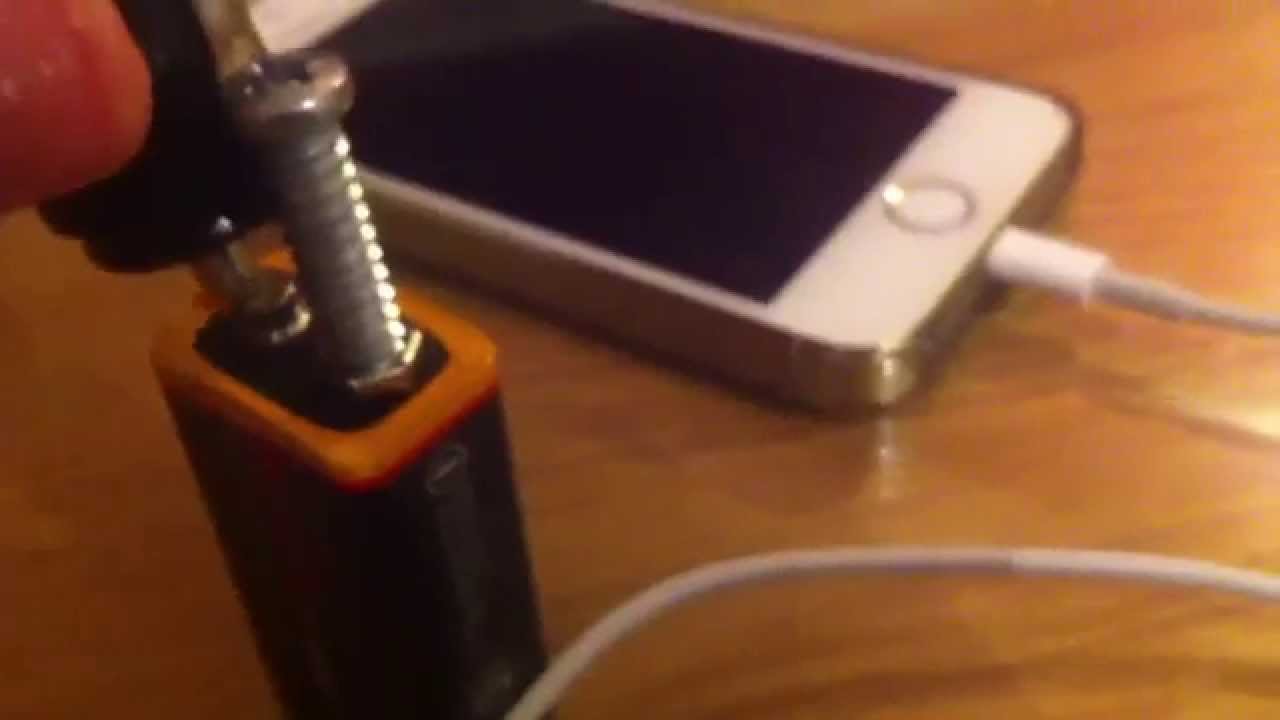
Some tools are necessary for this task. Battery holders keep the batteries in place. Wires are used to connect the batteries to the phone. Tape helps secure everything. A voltage tester checks the power level. Scissors or a knife might be needed. These tools help make a safe connection. Be careful when handling tools.
Credit: www.youtube.com
Safety Precautions
Always handle batteries with care. They can be dangerous if not used right. Wear gloves to protect your hands. Keep batteries away from heat and water. Avoid dropping them. This can cause leaks or breaks. Store batteries in a cool, dry place. Check for damage before use. Damaged batteries can be risky.
A short circuit can be harmful. Keep metal objects away from batteries. This includes keys and coins. Do not mix old and new batteries. Use the same type and brand together. Ensure proper alignment in devices. Check the plus and minus signs. Wrong alignment can cause short circuits.
Connecting Batteries To A Phone
Making a series connection helps boost power. You will need multiple batteries. Line them up, end to end. Connect the positive side to the negative side of the next battery. This forms a chain. It adds up their voltage. Be careful with connections. Loose wires can stop the flow. Tape may help hold them tight. Ensure all batteries are facing the right way.
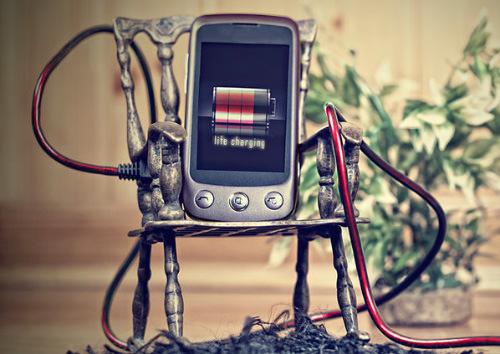
USB connectors bridge the gap. They link batteries to your phone. First, check your phone’s USB port. Find a connector with matching ends. Attach the connector to the battery chain. Then plug the other end into your phone. Watch your phone light up. Charging starts right away. Remember, not all connectors fit well. Choose wisely.
Credit: ajcbattery.com
Monitoring The Charging Process
Battery voltage tells us if the battery is strong or weak. Use a voltmeter to check it. Connect the voltmeter to the battery. Look at the numbers. They show the voltage. High numbers mean good battery power. Low numbers mean weak battery power. Keep checking the voltage often. This helps ensure safe charging.
Never leave batteries charging alone. Always watch them. Too much heat can be dangerous. Make sure batteries do not get too hot. Touch them to check. If they feel hot, stop the charging. Use a timer to limit charging time. This keeps batteries from overcharging. Safety first is important.
Troubleshooting Common Issues
Sometimes, phones won’t charge with batteries. Check if the batteries are placed right. Batteries must be fresh and have enough power. Look at the charging port. Dust or dirt can block the connection. Clean it gently with a soft brush. Use a different charging cable. Cables can break easily. If the phone still doesn’t charge, try another battery. Some batteries don’t work well with phones.
Phones can get hot while charging. Put the phone in a cool place. Avoid direct sunlight. Check the battery. Old batteries heat up more. Remove the phone case if it feels hot. Cases trap heat and make phones warmer. Use a fan to cool the phone if needed. Stop charging if the phone gets too hot. Overheating can damage the phone. Let it rest until it cools down.
Alternatives To Battery Charging
Portable power banks are small and easy to carry. They store energy to charge your phone anywhere. Capacity matters; bigger banks hold more energy. Some have multiple ports for charging different devices. Others have built-in cables for convenience. Fast charging banks can fill up your phone quickly. Always check the bank’s power level before using it.
Solar chargers use sunlight to charge your phone. They are great for outdoor trips. Most have solar panels that catch the sun’s rays. Some solar chargers work even in low light. It’s important to keep the panels clean for better efficiency. They are environment-friendly and save electricity. Remember, sunny days are best for using solar chargers.
Credit: medium.com
Frequently Asked Questions
Can You Charge A Phone With Aa Batteries?
Yes, you can use AA batteries to charge a phone. You’ll need a battery holder, a USB adapter, and a few AA batteries. Connect them properly, and it can provide a temporary charge. This method is useful in emergencies when you don’t have access to a power outlet.
What Tools Are Needed For Battery Charging?
To charge your phone with batteries, you need a battery holder, USB adapter, and batteries. Ensure compatibility with your phone’s charging requirements. These tools help create a makeshift power source, providing a temporary solution for charging your device in emergencies or during power outages.
How Long Do Batteries Last When Charging?
The duration depends on the battery capacity and your phone’s power needs. Typically, AA batteries provide a short-term charge. They can offer a few hours of usage. It’s a temporary solution, suitable for emergencies when other charging options are unavailable.
Is It Safe To Charge With Batteries?
Charging with batteries is generally safe if done correctly. Ensure proper connections and use the right components. Avoid overheating by monitoring the process. This method is suitable for emergencies. However, it should not replace standard charging practices, as it’s less efficient and potentially risky if mishandled.
Conclusion
Charging a phone with batteries can be simple. Follow the steps carefully. Gather your materials first. Ensure batteries and cables are correct. Connect everything securely. Check the connections. Watch for overheating during charging. This method is great for emergencies. Always use this technique safely.
Your phone will be charged and ready. Enjoy the convenience. Stay prepared for future needs. Practice makes it easier. Now, go power up with confidence!

Marlowe Quinn is a technology writer at ElectroDoz, with expertise in smartphones, chargers, power banks, phone cases, selfie sticks, and other mobile accessories. Known for breaking down specs and features into easy-to-understand insights, Marlowe helps readers find the right gadgets to stay connected and powered up in their daily lives.