Can You Fly Drone in Rain: Essential Safety Tips
Have you ever wondered if you can fly your drone in the rain? Maybe you’re eager to capture those dramatic rainy-day shots or you don’t want to miss a moment just because of the weather.
But before you take off, it’s important to know what rain can do to your drone and whether it’s safe to fly. This article will help you understand the risks, what precautions to take, and how to protect your drone from water damage.
Keep reading to find out if flying your drone in the rain is a smart move or a costly mistake.
Risks Of Flying Drones In Rain
Flying drones in the rain carries several risks that can affect both the drone and the flight experience. Rain introduces challenges that many pilots do not expect. These risks can lead to costly damage and unsafe flying conditions. Understanding these dangers helps in making better decisions about when to fly.
Water Damage To Electronics
Water can seep into the drone’s body and damage its internal parts. The electronics inside are sensitive to moisture. Even small amounts of water can cause short circuits or corrosion. This damage often leads to permanent failure. Most drones are not fully waterproof, so flying in rain increases this risk significantly.
Reduced Visibility
Rain lowers visibility for both the pilot and the drone’s camera. Raindrops on the camera lens blur the image. It becomes hard to see obstacles or landmarks. Poor visibility can lead to losing control or crashing. Pilots may find it difficult to navigate or maintain a clear line of sight.
Impact On Drone Stability
Raindrops can affect the drone’s balance and flight control. The added weight from water droplets can slow down the drone. Windy conditions during rain cause sudden movements. This instability makes the drone harder to control. Flight performance decreases, increasing the chance of accidents.
Credit: www.firstquadcopter.com
Drone Models Suitable For Wet Conditions
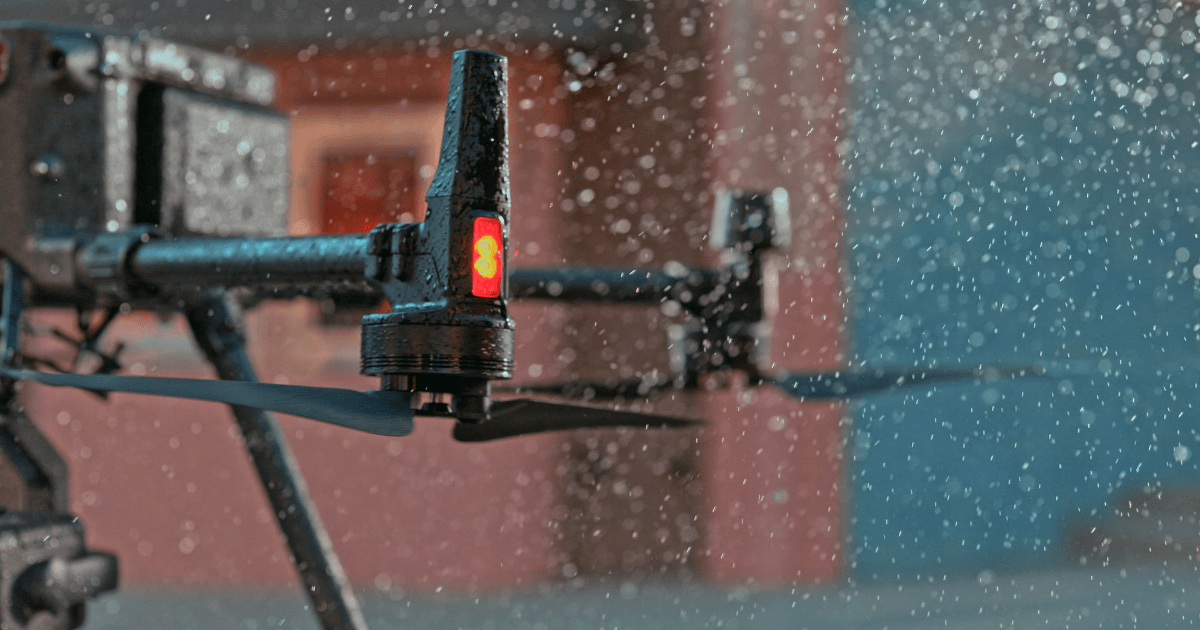
Flying drones in rain needs special models built for wet conditions. Not all drones can handle water drops or wet environments. Choosing the right drone helps protect your device and improves flight safety in rain. Some drones resist water, while others can fully handle being wet. Understanding these differences is key before flying in damp weather.
Below, explore drone types made for wet flights and popular models that perform well in rain.
Water-resistant Vs Waterproof Drones
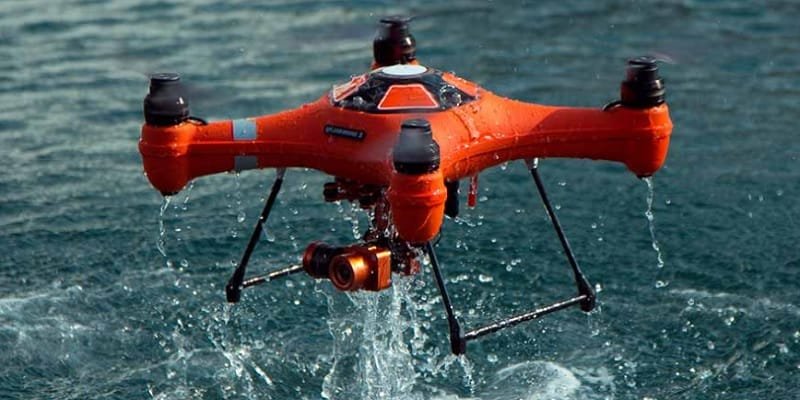
Water-resistant drones can handle light rain or splashes. They have some protection but are not safe in heavy rain or full water exposure. These drones usually have sealed motors and covered electronics to avoid small water damage.
Waterproof drones can be submerged or fully exposed to water without damage. They have strong seals and special designs to keep water out completely. Waterproof drones suit rainy days and even wet landings in water.
Choosing between water-resistant and waterproof depends on how wet the flying conditions will be. Water-resistant drones fit light rain, while waterproof drones fit heavy rain and wet environments.
Popular Models For Rainy Flights
- DJI M30 Series:Built for tough weather, these drones have excellent water resistance and advanced features.
- PowerVision PowerEgg X:A waterproof drone that can fly in rain and land on water safely.
- SwellPro SplashDrone 3+: Fully waterproof with strong durability, perfect for fishing and rainy conditions.
- Parrot Anafi USA:Water-resistant with rugged build quality, suitable for light rain flying.
These models provide good options for pilots wanting to fly safely in wet weather. Always check drone specs for water protection levels before flying in rain.
Pre-flight Preparations For Rainy Weather
Flying a drone in rainy weather demands careful preparation to keep your device safe and functional. Rain can quickly damage sensitive electronics if you’re not ready. Taking the right steps before you take off can make all the difference between a successful flight and costly repairs.
Checking Weather Forecasts
Before you head out, check detailed weather forecasts for your flight area. Pay attention to rain intensity, wind speed, and temperature changes. Have you ever started flying only to be caught in a sudden downpour? Avoid surprises by choosing a time slot with minimal rain and stable conditions.
Inspecting Drone Seals And Covers
Not all drones are built to handle moisture. Inspect your drone’s seals and protective covers thoroughly. Look for any cracks, worn-out rubber gaskets, or loose parts that could let water in. A small leak can cause major damage, so consider adding waterproof tape or covers if your drone lacks strong water resistance.
Battery Care In Moist Conditions
Moisture can reduce battery performance and lifespan. Keep your batteries dry and store them in sealed plastic bags until right before use. After flying, dry them off immediately and avoid charging wet batteries. You want your drone to have enough power for a safe return, not a sudden shutdown over wet terrain.
Safe Flying Techniques In Rain
Flying a drone in rain needs careful attention to safety. Rain can reduce visibility and affect drone controls. Using safe flying techniques helps protect your drone and ensures a smooth flight. Focus on controlling speed, keeping clear sight, and avoiding dangers.
Adjusting Flight Speed And Altitude
Slow down your drone to handle slippery conditions better. Lower speeds give more control and reduce sudden movements. Keep the altitude moderate to avoid heavy rain layers and strong winds higher up. Flying closer to the ground can also help you maintain better control.
Maintaining Line Of Sight
Always keep your drone within your direct view. Rain clouds and drops can blur your vision quickly. Use clear landmarks or objects to track your drone’s position. Staying in sight reduces the risk of losing control or crashing.
Avoiding Obstacles And Wind Gusts
Watch out for trees, buildings, and power lines that can be hidden by rain. Move carefully to avoid sudden hits. Be alert to wind gusts that push your drone off course. Adjust your flight path to stay safe and steady in changing conditions.
Post-flight Care After Rain Exposure
Flying your drone in the rain can be risky, but sometimes it happens unexpectedly. Knowing how to care for your drone after it’s been exposed to moisture is crucial. Proper post-flight care helps protect your investment and ensures your drone stays in top condition for the next flight.
Drying And Cleaning The Drone
Start by gently wiping your drone with a soft, dry cloth to remove any water droplets. Avoid using heat sources like hairdryers, as they can damage sensitive components. Instead, let your drone air dry in a warm, dry place for several hours.
Pay special attention to the propellers, motors, and camera lens to clear away any moisture or dirt. If you notice stubborn dirt, lightly dampen the cloth with distilled water and clean carefully. Have you ever noticed how a small bit of grime can affect your drone’s performance?
Battery And Component Inspection
After drying, check the battery compartment for any signs of water intrusion. Remove the battery and inspect for corrosion or moisture. If the battery feels wet, dry it thoroughly before reinserting.
Also, examine the motors and electronic parts for any visible damage or rust. Testing the drone indoors on a low-power hover can help detect any unusual sounds or behavior early. Could skipping this step cause you costly repairs later?
Storage Tips For Moisture Prevention
Store your drone in a cool, dry environment away from direct sunlight. Using silica gel packets inside your storage case can help absorb leftover moisture. Make sure the case is sealed properly to keep humidity out.
Regularly check your storage area for dampness or mold, especially if you live in a humid climate. Keeping your drone dry between flights is just as important as drying it after rain exposure. How often do you inspect your storage space?

Credit: www.flyingglass.com.au
Legal And Insurance Considerations
Flying a drone in the rain isn’t just about handling wet weather; it also involves understanding the legal and insurance landscape. Ignoring these aspects could lead to fines or uncovered damages. Knowing the rules and your insurance limits helps you fly smarter and safer.
Regulations On Flying In Adverse Weather
Many aviation authorities, like the FAA in the United States, do not explicitly ban flying drones in rain but require pilots to maintain safe operation at all times. This means if the rain affects your control or visibility, you could be violating regulations.
Check local laws before flying. Some countries or regions may have specific rules against flying in adverse weather to protect public safety.
Have you ever considered how unpredictable weather might affect your ability to control your drone? Pilots are responsible for avoiding hazards, so flying in rain might be riskier than it seems legally.
Insurance Coverage For Weather Damage
Most drone insurance policies have strict clauses regarding weather damage. Rain-related issues like water damage or short circuits are often not covered unless you have specific add-ons.
Review your insurance policy carefully. Look for terms like “weather exclusion” or “environmental damage” to understand what’s protected.
Have you checked whether your insurance covers flying in less-than-ideal conditions? Without proper coverage, a rainy day flight could lead to costly repairs or replacement out of your pocket.
Credit: www.heliguy.com
Frequently Asked Questions
Can Drones Fly Safely In Light Rain?
Drones are generally not designed for rain exposure. Light rain can damage electronics and affect flight stability. Waterproof drones exist but are rare. It’s safer to avoid flying in rain to protect your drone and ensure smooth control.
What Are The Risks Of Flying Drones In Rain?
Flying drones in rain risks water damage, motor failure, and reduced visibility. Moisture can short-circuit components. Rain can also affect GPS and sensors, leading to crashes. Avoid rain to prolong your drone’s lifespan and maintain safe flights.
Are There Waterproof Drones Suitable For Rain?
Yes, some drones are waterproof or water-resistant. They have sealed electronics and special coatings. These drones can fly in rain or wet conditions. However, they tend to be more expensive and less common than standard drones.
How Does Rain Affect Drone Battery Life?
Rain and moisture can cause batteries to drain faster. Cold, wet conditions reduce battery efficiency. Water intrusion may lead to short circuits and battery damage. Always keep batteries dry and avoid flying drones in rain for longer battery life.
Conclusion
Flying a drone in the rain is risky and not always safe. Water can damage the drone’s electronics and affect its flight. Some drones have waterproof features, but most do not. Rain can also reduce visibility and control. It’s best to wait for dry weather to fly your drone.
Protect your equipment and enjoy flying when conditions are clear. Safety matters most for a good drone experience. Choose the right time to fly and keep your drone safe.

Callen Ridgeway is a senior writer at ElectroDoz, where he shares his expertise on the latest in drones, webcams, cameras, and a wide range of cutting-edge electronic devices. With a passion for exploring emerging tech and breaking it down into practical insights, Callen helps readers make smarter choices when it comes to gadgets and gear. When he’s not testing the newest electronics, he’s busy keeping up with the innovations shaping the future of consumer technology.