
Can I Fly My Drone Over Houses: Essential Rules You Must Know
Have you ever wondered if you can fly your drone over houses safely and legally? Whether you’re capturing stunning aerial photos or just having fun, knowing the rules is crucial.
Flying over someone’s property might seem harmless, but it can lead to serious problems if you’re not careful. You’ll discover what you need to know to keep your drone flights smooth and hassle-free. Keep reading to learn the key tips and important regulations that every drone pilot should follow.
Legal Considerations
Flying a drone over houses requires careful attention to legal rules. These rules protect privacy, safety, and property rights. Ignoring laws can lead to fines or other penalties.
Understanding legal limits helps you fly safely and avoid trouble. This section covers key legal points every drone pilot should know.
Faa Regulations On Residential Drone Flights
The Federal Aviation Administration (FAA) controls drone flights in the U.S. It sets rules for flying over people and private property. Pilots must follow FAA rules to keep flights legal.
- Drones must stay below 400 feet altitude.
- Flying over people is restricted without special permission.
- Remote pilot certification is required for commercial flights.
Privacy Laws And Drone Use
Privacy laws protect homeowners from unwanted surveillance. Using a drone to record or photograph without permission can break privacy rules. Respect neighbors’ privacy and avoid capturing private spaces.
- Avoid flying near windows or backyards.
- Do not record audio or video without consent.
- Check local privacy laws for your area.
Local And State Drone Regulations
States and cities may have extra rules on drone flights. These rules can limit flying in certain neighborhoods or parks. Always check local laws before flying over houses.
- Some areas ban drones near schools or hospitals.
- Curfews may apply to drone operations.
- Permits might be needed for specific locations.

Understanding Airspace Regulations
Understanding airspace regulations is essential before flying a drone over houses. These rules help keep everyone safe and protect privacy. Knowing the rules can prevent fines and legal troubles. Each country has its own set of laws that control where and how drones can fly.
Airspace is divided into different zones. Some zones allow drone flights, while others restrict them. Flying over houses often means entering controlled or private airspace. Respecting these boundaries is important to avoid accidents and complaints.
Many places require drone pilots to get permission before flying near or over homes. This includes checking for any local laws or homeowner rules. Understanding these details helps ensure a safe and responsible flight.
Types Of Airspace And Their Restrictions
Airspace is generally divided into controlled and uncontrolled zones. Controlled airspace has more rules and requires special permission. Uncontrolled airspace is more flexible but still has limits. Flying over houses usually falls under controlled or special use airspace.
- Class B, C, D airspace: Requires authorization from aviation authorities.
- Class G airspace: Usually allows drone flights but watch for local rules.
- Restricted zones: No drone flights allowed without special clearance.
Local Laws And Privacy Concerns
Many local areas have rules about drone use near homes. These laws protect people’s privacy and safety. Avoid flying directly over private property without permission. Respecting these rules helps maintain good community relations.
- Some cities ban drones in residential areas.
- Noise and disturbance limits may apply.
- Privacy laws prevent capturing images without consent.
How To Check Airspace Before Flying
Before flying, use official apps or websites to check airspace rules. These tools show no-fly zones and controlled areas. They often provide real-time updates on temporary restrictions. Planning your flight with these tools reduces risk and legal issues.
- Consult aviation authority websites.
- Use drone-specific airspace apps.
- Check for temporary flight restrictions or events.
Privacy Laws And Drones
Flying a drone over houses raises important questions about privacy laws. Understanding these laws helps you avoid legal trouble and respect your neighbors’ rights. Privacy concerns are growing as drones become more common in everyday life.
What Privacy Laws Apply To Drone Flights Over Homes?
Privacy laws vary by country and even by state or city. Most places prohibit capturing images or videos where people expect privacy, like inside their homes or backyards. Flying your drone over a house might not be illegal, but recording without permission usually is.
Always check local regulations before flying. Some areas require you to keep a certain distance from private properties to avoid violating privacy.
How To Respect Privacy While Flying Your Drone
Respect starts with awareness. Avoid hovering directly over houses or focusing your camera on private spaces. If you want to film near a home, ask the homeowner for permission first.
Using your drone responsibly means limiting flights to public areas or open spaces. This practice reduces the chance of invading someone’s privacy and keeps your drone activities safe and legal.
Consequences Of Violating Privacy Laws With Drones
Ignoring privacy laws can lead to serious consequences. You might face fines, legal action, or even criminal charges depending on the severity of the violation. Neighbors might also feel threatened or uncomfortable, causing personal conflicts.
Think about whether your drone flight could upset or harm someone. Is capturing that shot worth risking your reputation or facing legal issues?
Permission And Consent
Flying a drone over houses requires careful attention to permission and consent. Respecting privacy and property rights is important. Without proper approval, drone flights can lead to legal trouble or complaints from neighbors.
Always remember that each homeowner may have different views on drone flights above their property. Getting clear permission helps avoid conflicts and ensures a safe flight experience.
Understanding Property Rights And Airspace
Homeowners generally own the land and the space up to a certain height. This can include the airspace directly above their property. Flying drones in this airspace may require their consent. Ignoring this can be seen as trespassing or invasion of privacy.
How To Ask For Permission
- Introduce yourself politely to the homeowner.
- Explain why you want to fly your drone over their property.
- Describe how long and how high the drone will fly.
- Offer to share any photos or videos taken, if appropriate.
- Respect their decision, even if they say no.
Legal Regulations And Local Laws
Many areas have laws about drone flights near homes. These rules may require you to get permission from property owners. Some places have specific no-fly zones over residential areas. Check local laws before flying to avoid penalties.
Respecting Privacy And Safety
Always avoid flying directly over people or private activities. Keep your drone visible and under control. Respect neighbors’ privacy by not capturing unwanted images or videos. Safety and respect build trust and reduce complaints.
Flight Restrictions Near Airports
Flying drones near airports involves strict rules. Airports have controlled airspace to ensure safety. Drone flights here can disrupt airplanes and cause accidents. Authorities enforce flight restrictions to protect everyone in the sky.
Understanding these restrictions helps avoid fines and legal problems. Drone pilots must know where they can and cannot fly near airports. Safety is the top priority in these areas.
What Are No-fly Zones Near Airports?
No-fly zones are areas around airports where drones cannot fly. These zones usually cover a radius of several miles. The exact distance varies based on the airport and local laws. Flying inside these zones without permission is illegal.
These zones protect airplanes during takeoff and landing. Drones in these areas can interfere with pilots’ visibility and instruments. Staying outside these zones is essential for safe drone operation.
How To Check Airport Flight Restrictions
Before flying, check for flight restrictions near airports. Use official apps and websites that show no-fly zones. Many countries have dedicated drone maps for this purpose.
Register your drone if required by law. Some apps also provide real-time updates about temporary flight restrictions. Always verify your flight location to stay compliant with rules.
Penalties For Violating Airport Flight Rules
Violating flight rules near airports can lead to severe penalties. Authorities may impose fines, confiscate your drone, or take legal action. Repeat offenses can result in higher fines or criminal charges.
These penalties protect public safety and maintain order in the airspace. Respecting airport flight restrictions keeps you and others safe.
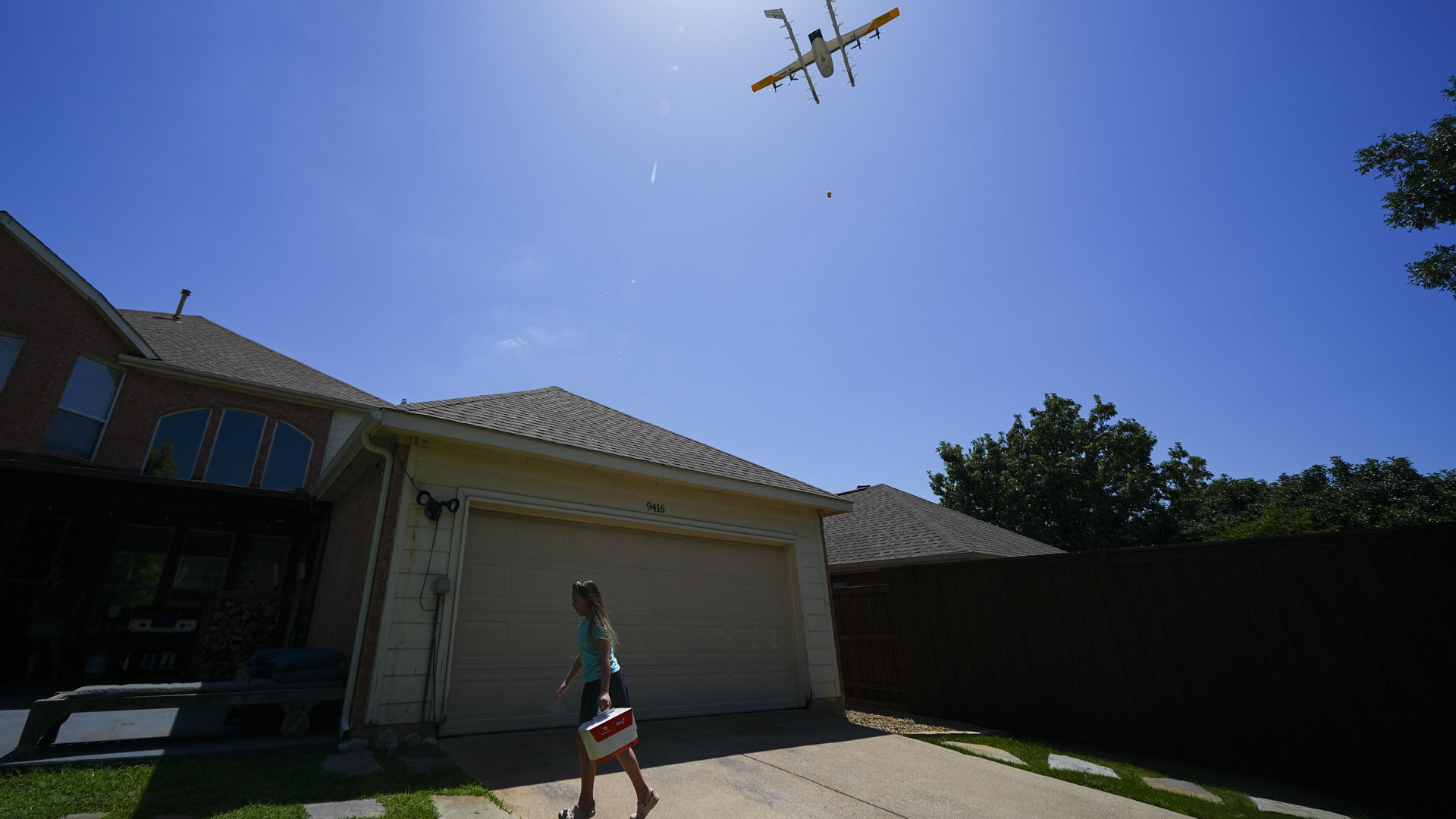
Credit: news.azpm.org
No-fly Zones And Geofencing
Drones have opened up incredible opportunities for aerial photography and fun, but flying them over houses isn’t always straightforward. One major factor that limits where you can safely and legally fly is the presence of no-fly zones and geofencing technology. Understanding these restrictions helps you avoid fines, protect privacy, and keep your drone safe.
No-fly Zones: What Are They?
No-fly zones are specific areas where drone flights are restricted or completely prohibited. These zones often include places like airports, military bases, and government buildings. Flying your drone over houses can sometimes fall into restricted zones if those areas are near sensitive locations.
Many countries publish maps that show no-fly zones clearly. Before you take off, check these maps to see if your planned flight area is allowed. Have you ever tried to fly over a neighborhood only to find your drone suddenly stopped or lost signal? That’s usually a no-fly zone kicking in.
How Geofencing Works
Geofencing is a technology built into many drones that creates virtual boundaries. When your drone approaches these boundaries, it either warns you or prevents you from crossing them. This helps you avoid accidentally flying into restricted or dangerous areas.
For example, DJI drones use geofencing to keep users from flying near airports or crowded places. If you try to fly over a house in a restricted area, your drone might hover or return home automatically. This technology protects both you and others from potential accidents or legal issues.
Practical Tips To Navigate No-fly Zones And Geofencing
- Use official apps and maps:Check government websites or drone app maps before flying.
- Update your drone’s firmware:Manufacturers regularly update geofencing data to reflect new restrictions.
- Request permission if necessary:Some no-fly zones allow drone flights with prior authorization.
- Respect privacy:Even if flying is allowed, avoid invading neighbors’ privacy by not hovering over backyards or windows.
Have you ever wondered what might happen if your drone crosses into a no-fly zone without warning? It’s not just about the drone stopping; you could face serious legal consequences. Staying informed and cautious lets you enjoy flying without those risks.
Safety Protocols For Drone Pilots
Flying a drone over houses requires strict safety protocols. These rules protect people, property, and the drone pilot. Following safety steps reduces accidents and legal issues. Every drone pilot must know and apply these protocols before taking off near homes.
Check Local Laws And Regulations
Local laws decide where and how you can fly your drone. Some areas forbid flights over private properties. Others require special permits or notifications. Always research rules in your flying zone. Ignoring laws can lead to fines or drone confiscation.
Maintain Visual Line Of Sight
Keep your drone where you can see it clearly. Losing sight increases crash risks. Visual contact helps avoid obstacles and people. Use spotters if needed to watch the drone closely.
Respect Privacy And Property
Avoid flying directly over people’s homes without permission. Respect neighbors’ privacy by not recording or peeking into windows. Be mindful of private spaces. This builds trust and prevents complaints.
Fly Below Maximum Allowed Altitude
Stay under the altitude limit set by authorities. Flying too high can interfere with manned aircraft. Low altitude flights reduce risks to people and property.
Perform Pre-flight Checks
Inspect your drone before each flight. Check battery levels, propellers, and controls. Make sure GPS and sensors work properly. A safe drone is less likely to crash.
Avoid Flying In Bad Weather
Strong winds, rain, or fog affect drone control. Bad weather increases chances of accidents. Fly only in clear, calm conditions for safety.
Use Geo-fencing Features
Many drones have geo-fencing to block flights in restricted areas. Activate these features to avoid no-fly zones. Geo-fencing helps keep your drone within safe boundaries.
Be Prepared For Emergencies
Know how to react if your drone loses signal or control. Have a safe landing spot planned. Practice emergency procedures to minimize damage or injury.
Best Practices For Flying Over Residential Areas
Flying a drone over residential areas requires care and respect. Safety and privacy should be your top priorities. Following best practices helps avoid problems with neighbors and authorities.
These guidelines keep your flight safe and enjoyable for everyone. They also help protect your drone and the people below.
Check Local Laws And Regulations
Rules for flying drones vary by city and country. Always learn the laws before flying. Some places may require permits or forbid flights over homes. Knowing the rules avoids fines and legal trouble.
Keep A Safe Distance From People And Property
Fly your drone far enough from houses and people. This reduces risk of accidents or damage. Avoid flying too low or close to windows. Respect private property and personal space.
Respect Privacy And Avoid Filming Without Permission
Do not record or take photos of people without their consent. Privacy matters in neighborhoods. Always ask permission before filming near homes. Avoid sensitive areas like backyards and windows.
Maintain Visual Line Of Sight
Keep your drone within your sight at all times. This helps control the drone better and avoid hazards. Do not rely solely on camera feeds. Visual contact improves safety and awareness.
Fly During Daylight And Good Weather
Choose clear days with good light for flights. Avoid flying in rain, fog, or strong wind. Good conditions make controlling the drone easier. Daylight helps you see obstacles and people clearly.
Use Quiet And Small Drones
Small, quiet drones disturb neighbors less. They also tend to be safer in tight spaces. Avoid large or loud drones in residential zones. Respect the peace of your community.
Plan Your Flight Path Carefully
Decide your route before taking off. Avoid flying directly over people or busy areas. Choose paths that minimize disturbance and risk. Planning helps you stay in control and safe.
Insurance For Drone Flights
Flying a drone over houses raises important safety and legal questions. Insurance for drone flights offers protection against accidents and damages. It gives peace of mind to drone pilots flying in residential areas.
Drone insurance covers many risks. These include property damage, injury to people, and loss of the drone itself. Without insurance, you might face high costs if your drone causes harm.
Types Of Drone Insurance
- Liability Insurance:Covers damage to other people’s property or injuries.
- Hull Insurance:Protects your drone against damage or loss.
- Personal Injury Insurance:Covers legal costs if someone sues you.
Why Insurance Is Important Over Houses
Flying over homes increases the chance of accidents. Drones can fall and damage roofs, windows, or vehicles. Insurance helps cover repair costs or medical bills.
Insurance also supports legal compliance. Some areas require drone insurance for flights over private property. It shows responsibility and respect for neighbors.
How To Choose The Right Insurance
- Check coverage limits to match your drone’s value and flight risks.
- Read policy details to understand what is and isn’t covered.
- Compare quotes from different insurers for the best price.
- Consider add-ons like theft protection or extended liability.

Credit: www.youtube.com
Future Trends In Drone Legislation
Drone laws are evolving fast as more people fly drones near homes and crowded areas. Understanding future trends in drone legislation helps you stay safe and legal while enjoying your drone. Let’s look at what changes might affect flying over houses soon.
Enhanced Privacy Protections
Privacy concerns are driving new rules. You may soon see stricter limits on capturing images or videos of private properties without permission. This means you’ll need to be extra careful about where you point your camera.
Some lawmakers want to require drone operators to notify homeowners before flying nearby. Would you feel comfortable if a drone buzzed over your backyard without warning? This trend aims to respect privacy more than ever.
Geofencing technology is becoming standard in drones to block flying in restricted areas automatically. Expect more neighborhoods and private properties to be included in these no-fly zones. This tech helps prevent accidental invasions of privacy or safety risks.
You might find your drone won’t even start if it’s within a restricted radius of certain homes or sensitive spots. How will this impact your flight plans? Planning routes carefully will become essential.
Remote Identification Requirements
Future rules will likely require drones to broadcast identification signals during flight. This helps authorities track who is flying where, especially over private or populated areas. You’ll need to ensure your drone complies to avoid fines.
This also means neighbors could identify your drone if they’re concerned. How might this affect your relationship with them? Transparency could become part of responsible drone flying.
Insurance And Licensing Changes
As drone use grows, governments may require more pilots to get licenses and insurance. Flying over houses could demand proof of competency and coverage for potential damages. This protects everyone involved and raises safety standards.
Will you need to take a test or buy insurance soon? Staying updated on these requirements will keep your hobby hassle-free and safe.
Community-based Rules And Local Ordinances
Local governments are likely to introduce their own drone rules tailored to community needs. This means you could face different regulations flying over houses depending on your city or neighborhood. Checking local laws before you fly will be more important than ever.
Could your favorite flying spot become off-limits? Engaging with local authorities might help you understand and influence these rules.
Frequently Asked Questions
Can I Legally Fly My Drone Over Residential Houses?
Flying drones over houses is often restricted by local laws. You must check your area’s regulations and obtain permission from homeowners. Avoid flying at low altitudes or near people to ensure safety and privacy compliance.
What Are The Privacy Concerns Of Flying Drones Over Homes?
Drones can capture images or videos that invade privacy. Avoid flying over private property without consent to prevent legal issues. Respect privacy laws and avoid recording or transmitting personal data from residential areas.
Do I Need Special Permission To Fly Drones Over Houses?
Yes, in many places, you need permission from local authorities or homeowners. Some areas require drone registration and flight permits. Always verify the rules before flying over residential zones to avoid penalties.
What Safety Precautions Should I Take When Flying Over Houses?
Maintain a safe altitude and distance from people and structures. Avoid flying in poor weather or near power lines. Always keep your drone within visual line of sight to prevent accidents.
Conclusion
Flying drones over houses needs care and respect for privacy. Always check local rules before you start flying. Avoid flying too close to people or private property. Stay safe by keeping your drone in sight at all times. Respect others and their space to prevent problems.
Drones offer great fun, but responsible use matters most. Remember, good drone pilots follow rules and fly carefully. Enjoy your drone flights while being thoughtful and safe.

Callen Ridgeway is a senior writer at ElectroDoz, where he shares his expertise on the latest in drones, webcams, cameras, and a wide range of cutting-edge electronic devices. With a passion for exploring emerging tech and breaking it down into practical insights, Callen helps readers make smarter choices when it comes to gadgets and gear. When he’s not testing the newest electronics, he’s busy keeping up with the innovations shaping the future of consumer technology.