How to Disable a Drone: Effective and Safe Methods Revealed
Have you ever wondered what to do if a drone is flying too close or invading your privacy? Knowing how to disable a drone can give you control and peace of mind in situations where it feels like your space is being invaded.
You’ll discover simple, effective ways to stop a drone safely and legally. Keep reading, because understanding these methods could save you from unwanted surprises and help protect what matters most to you.
Legal Considerations
Before you attempt to disable a drone, it’s crucial to understand the legal boundaries around this action. Drones are often protected by various laws designed to ensure safety, privacy, and property rights. Ignoring these laws can lead to serious consequences, so knowing what’s allowed and what isn’t is your first step.
Understanding Local Laws
Drone regulations vary widely depending on where you live. Some places allow property owners to take action against drones flying over their land, while others consider disabling a drone illegal under any circumstances.
Check with your local aviation authority or government website for specific rules. For example, in the United States, the Federal Aviation Administration (FAA) strictly prohibits any interference with an aircraft, including drones. Meanwhile, other countries might have more lenient rules but still require permission before taking any action.
Ask yourself: do you know the exact laws that apply to your location? Ignorance won’t protect you if you disable a drone unlawfully.
Consequences Of Illegal Actions
Disabling a drone without proper legal authority can lead to heavy fines, lawsuits, or even criminal charges. You might face penalties for property damage, invasion of privacy, or endangering public safety.
One person I know tried to disable a drone hovering near their backyard and ended up paying thousands in fines. They didn’t realize the drone was being used by local authorities for a community safety project. This shows how important it is to verify the drone’s purpose before acting.
Think about the risks: is the potential harm caused by a drone worth the legal trouble you might face? Sometimes, contacting authorities or the drone operator is a safer and smarter choice.
Credit: ts2.tech
Non-invasive Techniques
Non-invasive techniques offer safe ways to disable a drone without causing damage. These methods focus on managing the situation calmly and legally. They reduce risks for both the drone and people nearby. Using non-invasive tactics helps avoid legal troubles and keeps everyone safe.
Contacting The Operator
Finding the drone operator is often the best way to stop unwanted flying. Many drones have identification numbers or visible contact details. You can try to speak with the operator politely and explain your concerns.
Local authorities or drone registries may help locate the owner. This approach encourages responsible drone use. It also promotes understanding and cooperation without conflict.
Using Drone Detection Apps
Drone detection apps can identify nearby drones quickly. These apps use sound, radio signals, or cameras to spot drones around you. They show real-time information about the drone’s location and movement.
Using these apps helps you stay alert and react safely. They do not harm the drone but warn you about its presence. Many apps are free and easy to use on smartphones.
Signal Jamming
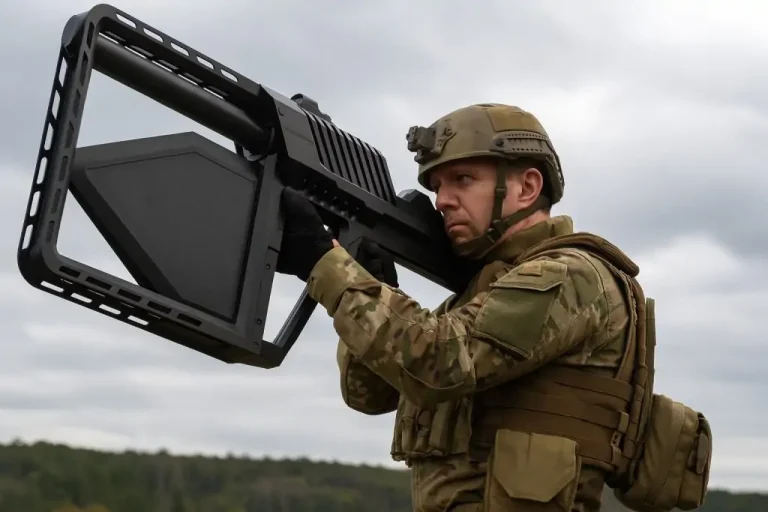
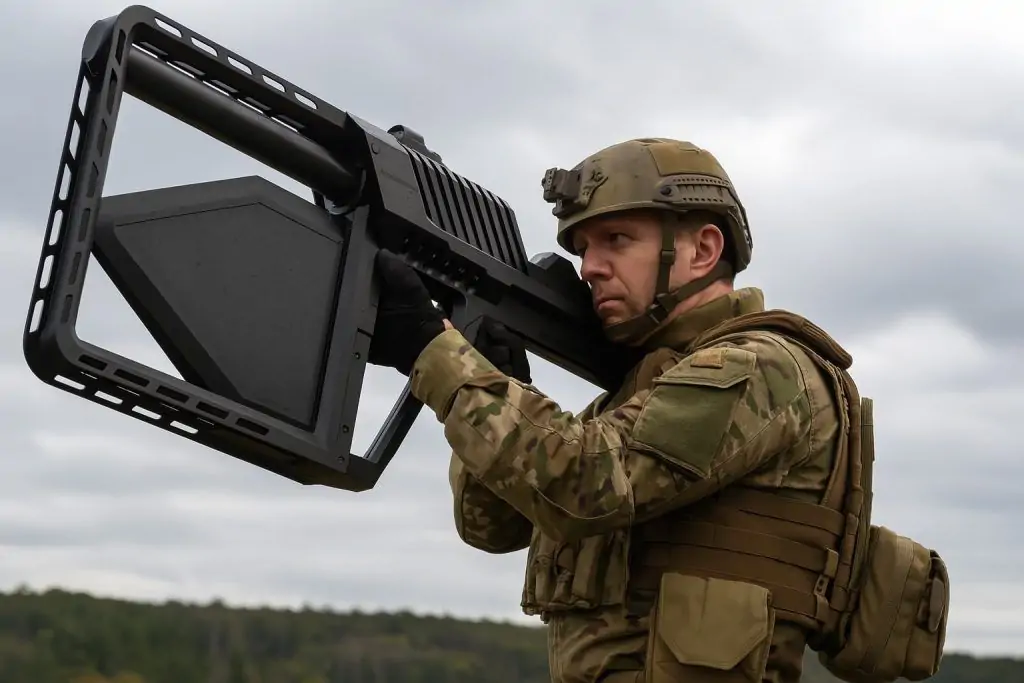
Signal jamming is a popular technique used to disable drones by interrupting their communication with the controller. It works by broadcasting interference signals that overwhelm the drone’s control frequencies, causing it to lose connection or malfunction. This method can effectively stop a drone mid-flight without physical contact.
Types Of Jammers
Different jammers target various frequencies to disrupt drone control. Here are some common types:
- GPS Jammers:Block the GPS signals, making the drone lose its navigation system and often forcing it to land or hover.
- Radio Frequency (RF) Jammers:Interrupt the control signals between the pilot and the drone, causing it to lose command.
- Combined Jammers:Simultaneously block GPS and RF signals for a more comprehensive disruption.
Choosing the right jammer depends on the drone’s operating frequencies. Do you know which signals your drone relies on?
Risks And Limitations
While signal jamming can be effective, it comes with significant risks and limitations. Jamming can interfere with other nearby devices like radios, cell phones, or emergency communications.
Legal restrictions often prohibit the use of jammers without proper authorization. Using one irresponsibly can lead to hefty fines or legal trouble.
Also, advanced drones may switch to autonomous modes or use alternative communication methods, reducing the jammer’s effectiveness. Have you considered what happens if a drone switches to a fail-safe or return-to-home mode after losing signal?
Credit: www.unmannedsystemstechnology.com
Geofencing Strategies
Geofencing strategies provide a smart way to control drone activity in sensitive areas. These strategies create virtual boundaries that drones cannot cross. Using geofencing can prevent drones from entering restricted zones, reducing risks and enhancing security.
Setting Up No-fly Zones
No-fly zones are virtual borders set up to block drone access. Authorities or property owners define these zones based on safety or privacy needs. The zones can cover airports, government buildings, or private properties.
Setting up no-fly zones involves:
- Mapping exact coordinates of restricted areas
- Defining the height limits drones cannot exceed
- Using software to enforce these boundaries automatically
Drones detect these zones through GPS signals and avoid flying inside them. This method helps stop unauthorized drone flights before they become a problem.
Integration With Drone Systems
Geofencing works best when integrated directly into drone software. This integration allows drones to receive real-time data about no-fly zones. The drone’s flight controller then adjusts the path to avoid restricted areas.
Drone manufacturers embed geofencing features into firmware updates. These updates ensure drones follow the latest flight restrictions set by authorities.
Benefits of integration include:
- Automatic flight path correction
- Alerts sent to drone operators near restricted zones
- Reduced chances of accidental trespassing
This seamless connection between geofencing and drone systems improves airspace safety and compliance.
Anti-drone Technology
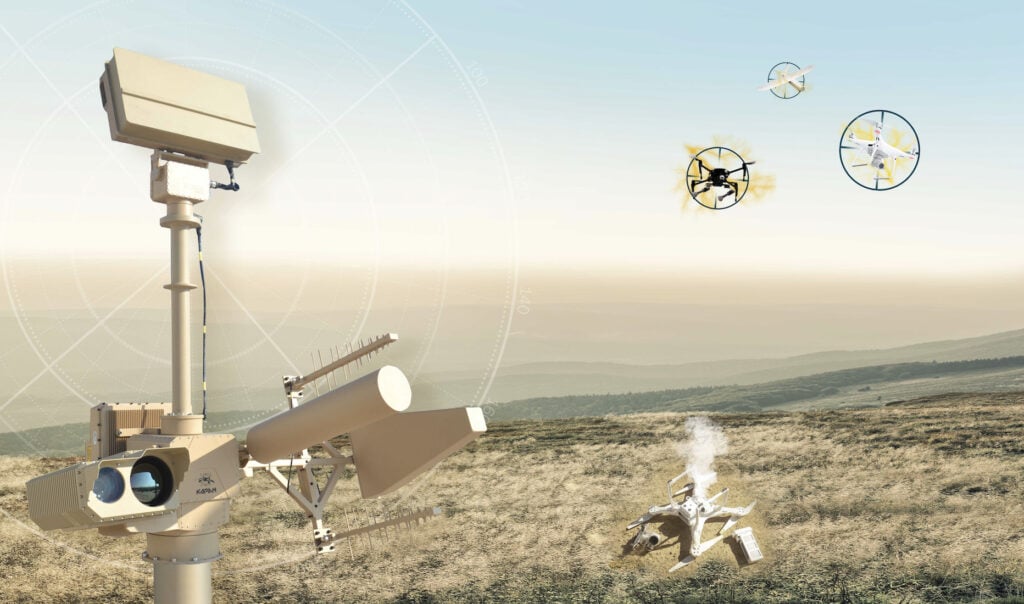
Anti-drone technology helps stop unwanted drones from flying in restricted areas. It uses smart systems to detect, track, and disable drones. These technologies protect airports, government buildings, and private properties. They work without harming people or property.
Drone Catching Drones
Drone catching drones are special drones designed to capture other drones. They fly close and use nets or cages to trap the target drone. This method stops the drone safely without damage.
These drones are fast and agile. They can follow the target even in crowded spaces. Once caught, the captured drone is brought to the ground for removal.
Laser Systems
Laser systems use focused light beams to disable drones. The laser targets the drone’s sensors or motors to stop its flight. This method works quickly and precisely.
Laser systems can operate from a distance. They cause no physical debris or harm to surroundings. These systems need careful aiming and strong safety controls.
Credit: www.unmannedsystemstechnology.com
Physical Capture Methods
Physical capture methods offer a hands-on way to disable drones by safely intercepting and immobilizing them. These techniques focus on grabbing or trapping the drone mid-flight without causing excessive damage to the device or its surroundings. If you’ve ever wondered how security teams stop unauthorized drones near sensitive areas, these practical approaches might surprise you.
Net Launchers
Net launchers work by shooting a net to entangle the drone’s propellers and body, forcing it to lose control and land safely. These devices can be handheld or mounted on vehicles and are designed to deploy quickly with precision.
Using a net launcher requires practice and a clear line of sight. You must anticipate the drone’s path and adjust your aim accordingly. Have you ever tried to catch something flying fast and unpredictable? That’s exactly the challenge here.
The advantage of net launchers is that they capture the drone intact, allowing for inspection or return. This is crucial if you want to avoid legal issues or need evidence of unauthorized drone activity.
Trained Birds Of Prey
Some security teams train birds like hawks and falcons to intercept drones in mid-air. These birds use their natural hunting instincts to grab the drone and bring it down safely.
This method is eco-friendly and highly effective in areas where electronic countermeasures might fail. However, it requires expert handlers who can manage the birds and ensure their safety during operations.
Imagine watching a falcon swoop down with precision and intercept a drone—it’s a fascinating blend of nature and technology. Would you trust a bird to handle your drone problem?
Ethical And Safety Concerns
Disabling a drone raises important ethical and safety concerns that you must consider carefully. It’s not just about stopping a machine; it’s about protecting people, respecting laws, and balancing rights. Every action you take to disable a drone carries potential risks and consequences that affect more than just the device itself.
Ensuring Human Safety
Your top priority should always be the safety of people around you. Drones can fall unpredictably when disabled, risking injury or property damage.
Before taking any action, ask yourself: Could disabling this drone harm someone nearby? Consider the environment—crowded areas, children playing, or busy streets increase risks significantly.
Using non-destructive methods such as signal jamming or remote control override can reduce physical dangers. However, these methods require legal permission and technical expertise to avoid unintended harm.
Balancing Privacy And Security
It’s natural to want to protect your privacy or property from unwanted drone intrusion. Yet, you must weigh this against legal boundaries and security concerns.
Disabling a drone without proper authorization may infringe on someone’s rights or violate laws designed to regulate airspace.
Instead of immediate action, consider contacting authorities or using technology that alerts you when drones enter restricted zones. This approach respects privacy while addressing security in a lawful manner.
Frequently Asked Questions
How Can I Safely Disable A Drone Remotely?
You can disable a drone remotely using signal jammers or GPS spoofing devices. These methods interrupt the drone’s communication with its controller, forcing it to land or return home. Always check local laws before using such technology, as unauthorized use may be illegal in many areas.
What Tools Are Effective For Disabling A Drone?
Effective tools include RF jammers, GPS spoofers, and net guns. RF jammers block control signals, GPS spoofers confuse navigation, and net guns physically capture drones. Choose the right tool based on the drone type and legal restrictions in your area for safe and lawful use.
Is It Legal To Disable Drones Over Private Property?
Laws vary by region, but generally, disabling drones without permission can be illegal. Property owners should check local regulations before taking action. Contacting authorities or drone operators is a safer option to address privacy or safety concerns without risking legal trouble.
Can Software Hacks Be Used To Disable Drones?
Yes, certain software hacks can disrupt drone control systems. However, these require advanced technical skills and may breach legal boundaries. Unauthorized hacking can lead to severe penalties, so it is advisable to use legal and approved methods for disabling drones.
Conclusion
Disabling a drone requires care and clear steps. Always check local laws before taking action. Use safe methods to avoid damage or harm. Stay calm and act quickly when needed. Understanding how drones work helps you control them better. Keep learning to stay prepared for any drone situation.
This knowledge protects your privacy and safety. Remember, responsible handling is key to success.

Callen Ridgeway is a senior writer at ElectroDoz, where he shares his expertise on the latest in drones, webcams, cameras, and a wide range of cutting-edge electronic devices. With a passion for exploring emerging tech and breaking it down into practical insights, Callen helps readers make smarter choices when it comes to gadgets and gear. When he’s not testing the newest electronics, he’s busy keeping up with the innovations shaping the future of consumer technology.