

Should Subwoofer Be on Floor: Boost Bass with Perfect Placement
Are you wondering if your subwoofer should be placed on the floor or somewhere else? Where you put your subwoofer can make a big difference in how your music or movies sound.
If your bass feels weak or boomy, the answer might be in its placement. You’ll discover the simple truth about subwoofer placement and why the floor might just be the best spot for powerful, clear bass. Keep reading to learn how this small change can transform your whole listening experience.
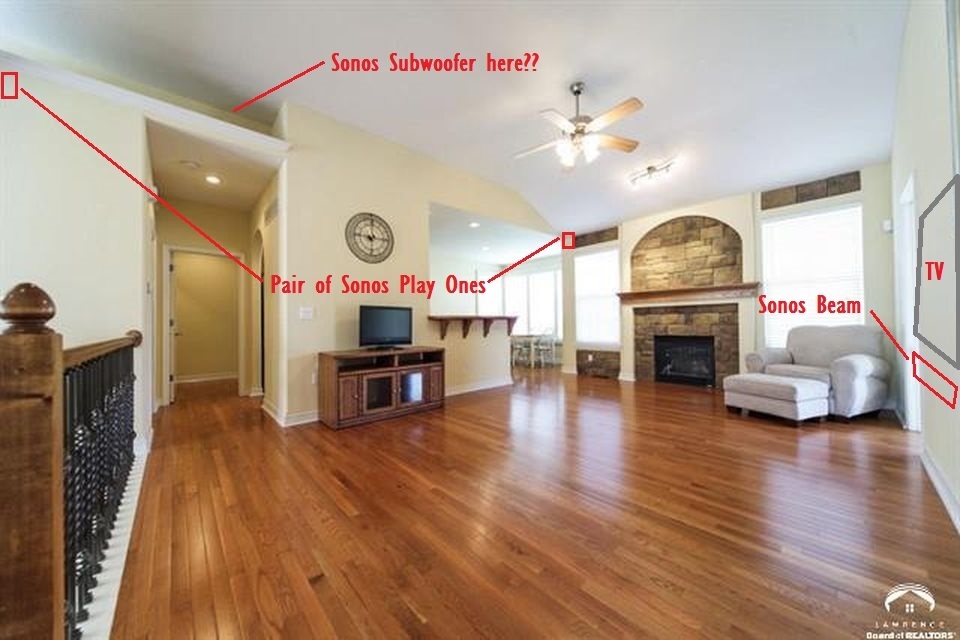
Credit: en.community.sonos.com
Importance Of Subwoofer Placement
Subwoofer placement plays a key role in sound quality. Proper positioning helps deliver clear, deep bass that fills the room. Incorrect placement can cause weak or muddy bass, reducing the overall experience.
Subwoofers produce low-frequency sounds that travel differently than other speakers. These sounds interact with the room’s walls and furniture, affecting how you hear them. Placing the subwoofer on the floor often enhances bass response and stability.
How Room Acoustics Affect Bass Performance
Rooms reflect and absorb bass waves differently. Hard surfaces create echoes, while soft surfaces absorb sound. The floor placement helps the subwoofer use the room’s boundaries to boost bass naturally.
Impact Of Subwoofer Height On Sound Quality
Low frequencies spread evenly, so subwoofer height matters less than placement. Placing the subwoofer on the floor allows better coupling with the room. This often results in tighter, more powerful bass.
Common Placement Mistakes To Avoid
- Placing the subwoofer inside a cabinet or enclosed space.
- Setting it too far from the listening area.
- Positioning it on unstable surfaces that cause vibrations.
- Ignoring room corners, which can boost bass output.
Benefits Of Floor Placement For Subwoofers
- Improves bass depth and clarity.
- Reduces unwanted vibrations and rattling.
- Allows easy integration with other speakers.
- Maximizes the subwoofer’s natural sound dispersion.
Floor Placement Benefits
Placing a subwoofer on the floor offers several clear benefits. It helps produce deeper and richer bass sounds. The floor acts as a natural amplifier, boosting low-frequency output. This simple placement also affects how sound waves travel and interact with the room. Understanding these benefits can improve your overall audio experience.
Enhanced Bass Response
The floor placement strengthens the bass output significantly. Low frequencies become more powerful and fuller. The solid surface of the floor reflects bass waves, increasing their intensity. This results in a more immersive and satisfying sound. Subwoofers on the floor deliver punchier and clearer bass tones.
Room Acoustics Impact
Floor placement influences how sound waves behave in the room. It helps reduce unwanted vibrations and echoes. The floor supports stable subwoofer positioning, minimizing movement. This stability improves sound clarity and reduces distortion. Proper floor placement also allows better integration with other speakers in the space.
Alternative Subwoofer Positions
Alternative subwoofer positions can greatly affect sound quality and room dynamics. Trying different spots helps find the best bass response. The floor is common, but exploring other placements can enhance your audio experience.
Corner Placement Considerations
Placing a subwoofer in a corner often boosts bass output. Walls reflect low frequencies, making bass louder and fuller. Beware of too much boom or muddiness. Corners can cause uneven sound waves that overlap and create peaks or dips.
Test the corner placement by listening in your usual seating spots. Adjust distance from walls to reduce boominess. Sometimes, moving slightly away from the corner balances the sound better.
Raised Platforms And Isolation
Raising a subwoofer on a platform can improve clarity. It prevents vibrations from spreading through the floor. Isolation pads or stands reduce unwanted rattles and distortions. These tools absorb vibrations, keeping bass tight and clean.
Try different heights to see what sounds best. Raised placement can also protect your subwoofer from dust or damage. Make sure the platform is stable to avoid wobbling or noise.
Factors Influencing Placement
Choosing the right spot for your subwoofer can change how your sound feels. Several factors affect where the subwoofer should go. These factors help decide if the subwoofer should be on the floor or lifted. Understanding these can improve your listening experience.
Room Size And Shape
The size of the room shapes the sound waves. Larger rooms need more power and careful placement for deep bass. Small rooms may cause bass to sound too loud or uneven. The shape also matters. Odd shapes can create echo or dead spots. Corners can boost bass, but sometimes cause boomy sounds. Positioning the subwoofer based on room size and shape helps balance the sound.
Furniture And Obstructions
Furniture blocks or reflects sound waves. Sofas, tables, and shelves can change how bass travels. Heavy furniture near the subwoofer can absorb or muffle sound. Open spaces let sound move freely, giving clearer bass. Moving furniture can open new sound paths. Avoid placing the subwoofer behind large objects. This keeps the bass strong and clear.
Testing And Adjusting Position
Getting the subwoofer’s position right can change your whole listening experience. Testing and adjusting where your subwoofer sits allows you to find the sweet spot where bass sounds tight and powerful without overwhelming the room. Let’s look at how you can listen critically and use tools to fine-tune your setup.
Listening Tests And Calibration
Start by placing your subwoofer where you think it’ll sound best, then play a variety of music or movie scenes with deep bass. Move around your room and listen carefully for spots where the bass seems too boomy or too weak.
Try moving the subwoofer a few inches closer or farther from walls and corners. Small shifts can make a big difference. Ask yourself: Does the bass feel balanced? Does it blend well with your main speakers?
Use familiar tracks with clear bass lines to guide your ears. Don’t just rely on volume; focus on clarity and how natural the bass feels.
Tools For Measurement
While your ears are the best judge, measurement tools can give you objective data. A simple SPL (Sound Pressure Level) meter can show if the bass is too loud or too soft at your listening spot.
For more detailed insight, consider using a room correction microphone paired with software like REW (Room EQ Wizard). This setup can identify peaks and dips in your bass response caused by room acoustics.
- Measure at your main listening position.
- Take multiple readings at different subwoofer placements.
- Adjust the subwoofer’s crossover and phase settings based on measurements.
Have you tried combining both listening tests and measurements? Using both together helps ensure your subwoofer’s position delivers the best bass possible for your room.
Common Mistakes In Subwoofer Placement
Placing a subwoofer incorrectly can ruin the sound quality in any room. Many people make simple errors that reduce bass impact. Knowing common mistakes helps avoid them and improves audio experience.
Overlooking Room Acoustics
Room shape and size affect how bass sounds. Hard surfaces like tiles and glass reflect sound and cause echo. Soft materials like curtains and carpets absorb bass. Ignoring these effects leads to weak or booming bass. Testing different spots and listening carefully is crucial.
Ignoring Cable Management
Messy cables create hazards and clutter. Tangled wires can cause signal loss or noise interference. Keeping cables organized improves safety and sound quality. Use clips, ties, or covers to keep cables neat and secure. Proper cable management also helps with easy troubleshooting.
Expert Tips For Optimal Bass
Getting the best bass from your subwoofer needs smart placement and setup. Small changes can make a big difference in sound quality. Experts share tips to help your bass sound clear and powerful. These tips work for any room size or speaker type.
Professional Insights
Placing the subwoofer on the floor usually improves bass response. The floor acts as a natural amplifier. Corners can boost bass but may cause boominess. Try placing the subwoofer near a wall for balanced sound.
- Keep the subwoofer away from walls to reduce distortion.
- Use a sound meter to test bass levels in different spots.
- Adjust the phase control to match your main speakers.
- Lower the crossover frequency if bass sounds muddy.
Room shape and furniture affect bass too. Soft items absorb sound and reduce echo. Hard surfaces reflect sound and can create peaks. A mix of materials helps balance bass clarity.
Diy Solutions For Better Sound
Simple DIY tricks improve bass without extra gear. Place the subwoofer on a solid, vibration-free surface. Avoid carpets or unstable stands that absorb bass energy.
- Use isolation pads or foam under the subwoofer to cut vibrations.
- Try moving the subwoofer while playing music to find the best spot.
- Seal gaps in doors and windows to keep sound inside.
- Arrange furniture to control bass reflections and standing waves.
Experiment with room layout and subwoofer settings. Small tweaks can greatly enhance your listening experience. Enjoy deep, clean bass that fills your space.
Credit: www.avsforum.com

Credit: www.popularmechanics.com
Frequently Asked Questions
Should Subwoofers Be Placed Directly On The Floor?
Yes, placing subwoofers on the floor enhances bass resonance and sound depth. Floor placement allows better vibration transfer, producing richer low frequencies. This position minimizes sound distortion and improves overall audio performance in most room setups.
Does Floor Placement Improve Subwoofer Sound Quality?
Floor placement often improves sound quality by increasing bass response and reducing unwanted vibrations. It allows the subwoofer to interact naturally with room acoustics, delivering fuller and clearer bass tones. This setup usually provides a more immersive listening experience.
Can Subwoofers Be Placed On Stands Instead Of The Floor?
Subwoofers can be placed on stands, but floor placement usually offers better bass impact. Stands may reduce vibration transfer, affecting bass depth. Use stands only if floor space is limited or to avoid vibrations damaging furniture.
How Does Subwoofer Floor Placement Affect Room Acoustics?
Floor placement helps subwoofers leverage room acoustics for deeper bass. It creates natural resonance with walls and floors, enhancing low-frequency sounds. Proper floor positioning avoids bass cancellation and uneven sound distribution in the listening area.
Conclusion
Placing a subwoofer on the floor often gives deeper bass sound. It helps the bass fill the room better and feel stronger. But the best spot depends on your room size and furniture. Try different spots to find what sounds best to you.
Small moves can change the sound a lot. Listening carefully is the key to good bass. Keep experimenting until the sound feels just right. This way, your music or movies will be more enjoyable.

Finnian Delaney is a seasoned writer and editor specializing in technology and electronics. At ElectroDoz, he covers a wide range of topics, with a focus on MacBooks, laptops, fitness trackers, keyboards, and computer hardware. With a knack for making complex tech accessible, Finnian helps readers stay informed and confident when choosing their next device or upgrade.