

Do I Need a Humidifier in Summer: Essential Benefits Explained
Are you wondering if you really need a humidifier during the hot summer months? You might think humidifiers are only for dry winter air, but the truth is more surprising.
Your comfort, skin, and even your health can be affected by the air inside your home, no matter the season. Keep reading to discover why a humidifier could be your secret weapon for a cooler, more comfortable summer—and how it might help you avoid common summer annoyances you didn’t even realize were linked to dry air.

Credit: www.dreo.com
Summer Dryness And Its Effects
Summer brings warmth, sunshine, and often, dry air indoors. This dryness can affect comfort and health. Many don’t realize how the summer heat impacts indoor air quality. Understanding this can help decide if a humidifier is needed.
How Heat Dries Indoor Air
Warm air holds more moisture. But, air conditioning removes moisture to cool the air. This process makes indoor air dry. Especially in areas with little natural humidity. Dry air can lead to discomfort in homes.
Impact On Skin And Respiratory Health
Dry air can cause skin to lose moisture. This results in dry, itchy skin or cracked lips. Sensitive skin might become more irritated. Dryness also affects respiratory health. It can dry out nasal passages and throat. This can lead to discomfort or worsen allergies.

Credit: www.cpap.co.uk
When A Humidifier Helps In Summer
Summer often brings warmth and sunshine, but it can also lead to dry indoor air, especially if you rely heavily on air conditioning. Knowing when a humidifier can make a difference during these months helps you maintain comfort and protect your health. Let’s look at the specific signs that indicate you might need added moisture in your home, and what the ideal humidity levels should be to keep summer dryness at bay.
Signs You Need Added Moisture
Do you notice dry skin, chapped lips, or itchy eyes even in the summer? These are common signs that your indoor air might be too dry. Another clue is if you or your family members experience frequent nosebleeds or a scratchy throat.
Wooden furniture and musical instruments cracking or warping can also mean the air lacks moisture. If your houseplants look droopy or dry despite regular watering, that’s a red flag too. These signs suggest your home environment could benefit from a humidifier.
Ideal Humidity Levels For Summer
Maintaining the right humidity level in summer is a delicate balance. Experts generally recommend keeping indoor humidity between 30% and 50%. This range helps prevent dryness without encouraging mold growth or dust mites.
You might wonder how to measure this precisely. A simple hygrometer can give you real-time readings, making it easier to decide when to turn on your humidifier. Keeping your home’s humidity in this range can reduce discomfort and protect your belongings.
Benefits Of Using A Humidifier
Using a humidifier during the summer might seem unusual, but it offers several benefits that can improve your comfort and health. Many people associate humidifiers only with winter, yet summer air conditioning and heat can dry out the air in your home. Adding moisture with a humidifier can make a real difference in how you feel every day.
Relieving Dry Skin And Irritation
Dry air from air conditioners can strip moisture from your skin, leading to dryness, itchiness, and irritation. A humidifier adds the needed moisture back into the air, helping your skin stay hydrated.
If you’ve ever felt your skin cracking or noticed redness during summer, a humidifier can soothe those symptoms. It can be especially helpful if you suffer from eczema or sensitive skin, as consistent humidity prevents flare-ups.
Improving Breathing And Sleep Quality
Dry air can also affect your respiratory system, making it harder to breathe comfortably. Using a humidifier keeps your nasal passages moist, which can reduce congestion and irritation.
This moisture boost often leads to better sleep. If you wake up with a dry throat or find it difficult to breathe at night, a humidifier might be the simple solution you need. Have you noticed how much easier it is to breathe in a room with balanced humidity?
Choosing The Right Humidifier
Choosing the right humidifier for summer can feel tricky. You might wonder if adding moisture to already warm air is a good idea. The key is picking a humidifier that suits your specific summer needs without making your space sticky or uncomfortable.
Types Suitable For Summer Use
Not every humidifier fits well with summer conditions. Ultrasonic humidifiers are popular because they use high-frequency vibrations to produce a fine mist. This mist cools the air slightly, which can feel refreshing during hot days.
Evaporative humidifiers work by blowing air through a wet wick filter, adding moisture without over-saturating the room. They naturally regulate humidity since the air absorbs as much moisture as it can hold.
If you live in a very dry area, you might consider a cool mist humidifier. Warm mist humidifiers, however, are less ideal in summer because they release warm vapor, potentially raising room temperature.
Maintenance Tips For Clean Air
Keeping your humidifier clean is crucial to avoid mold and bacteria growth. Empty and dry the tank daily to prevent stagnant water. Use a mild vinegar solution weekly to clean the inside parts.
Replacing filters regularly ensures your humidifier runs efficiently and doesn’t blow allergens into your room. If you notice a musty smell or visible mold, it’s time for a thorough cleaning or filter change.
Have you checked your humidifier’s maintenance schedule lately? Proper care can make the difference between fresh air and unwanted irritants in your home.
Potential Drawbacks To Consider
Using a humidifier in summer can help with dry air but also brings some challenges. It is important to watch out for too much moisture inside your home. Excess humidity can cause discomfort and health issues. Understanding these drawbacks helps you decide if a humidifier is right for your summer needs.
Avoiding Excess Humidity
Humidifiers add moisture to the air, which can build up quickly. High humidity makes the room feel sticky and warm. It can also damage wooden furniture and paint. Keep humidity levels between 30% and 50% to stay comfortable. Use a hygrometer to check the moisture in your space. Turn off the humidifier if the air feels damp or clammy.
Preventing Mold And Allergens
Too much moisture creates a perfect place for mold to grow. Mold spores can cause allergies and breathing problems. Humidifiers that are not cleaned often become a source of bacteria. Change water daily and clean the device regularly. Use distilled water to reduce mineral buildup. Proper care reduces health risks and keeps air fresh.
Alternatives To Humidifiers In Summer
Looking for ways to boost humidity in your home this summer without relying on a humidifier? There are simple and effective alternatives that not only increase moisture but also improve your indoor environment naturally. These options can be cost-effective and easy to maintain, making them perfect for warmer months.
Natural Ways To Increase Humidity
One of the easiest ways to raise humidity is by using water in your daily routine. Placing bowls of water near heat sources allows the water to evaporate slowly, adding moisture to the air. You can also hang damp towels or clothes inside your living space to achieve a similar effect.
Another practical tip is to leave your bathroom door open while taking a hot shower. The steam will circulate through your home, increasing humidity without any extra effort. Have you noticed how your skin feels better after a steamy shower? That’s the added moisture working its magic.
Using Plants And Ventilation
Indoor plants are natural humidifiers. They release moisture through a process called transpiration, which helps keep the air moist. Consider adding plants like ferns, peace lilies, or spider plants to your rooms—they thrive in summer and boost humidity effortlessly.
Proper ventilation also plays a big role. Opening windows during cooler parts of the day encourages fresh, moist air to enter your home. Just be mindful of outdoor humidity levels; sometimes closing windows during dry, hot afternoons is better to keep indoor moisture stable.
Have you tried combining these tips? Adding a few plants near open windows can create a refreshing, naturally humid atmosphere that keeps your home comfortable without the noise or maintenance of a humidifier.
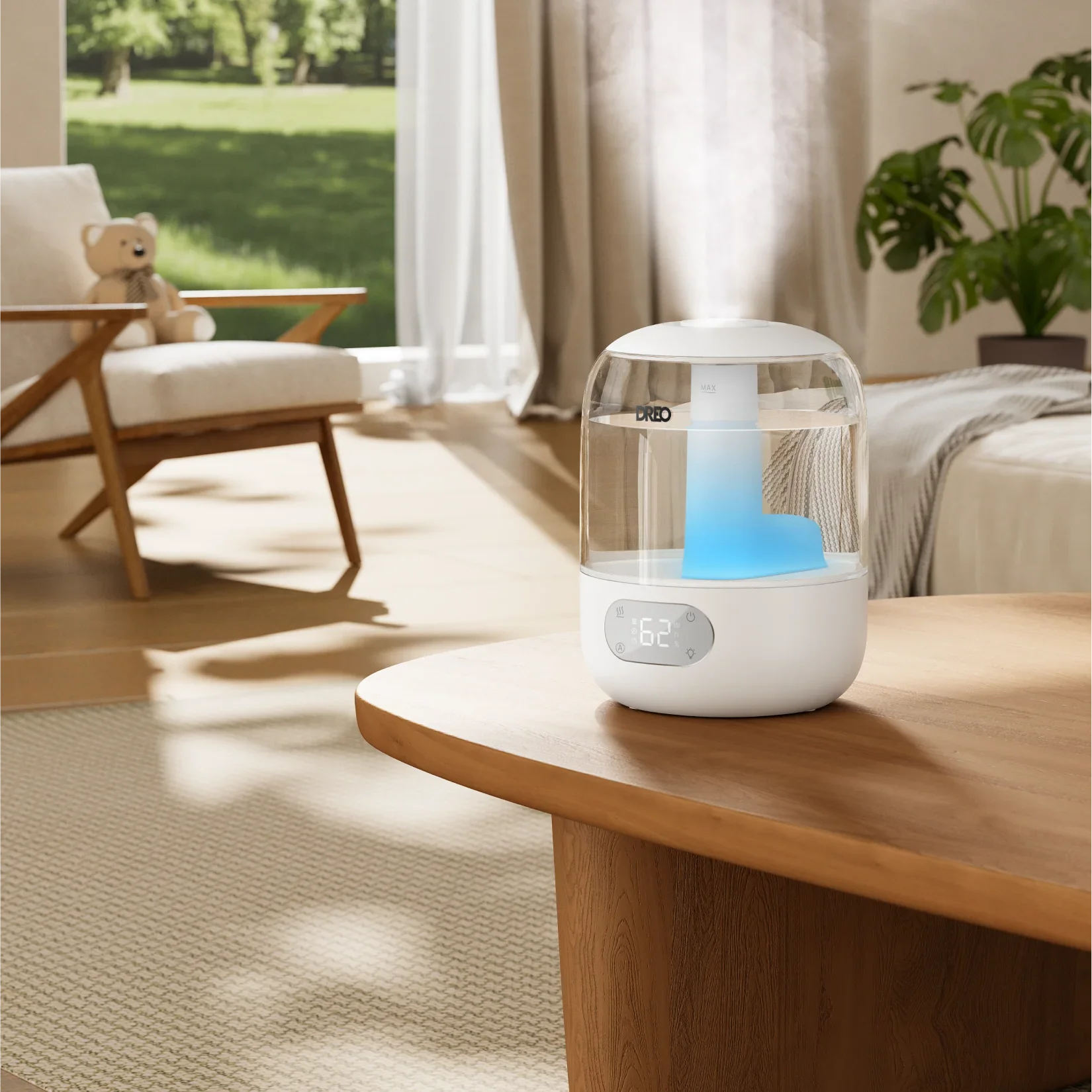
Credit: www.dreo.com
Frequently Asked Questions
Do I Need A Humidifier During Summer Months?
A humidifier is usually not necessary in summer. Warm air holds more moisture naturally. Use one only if your indoor air feels dry or you have specific health needs.
Can A Humidifier Improve Summer Air Quality?
Yes, a humidifier can add moisture to dry indoor air. This helps prevent dry skin and irritation. However, it’s important to maintain proper humidity levels below 60% to avoid mold growth.
Does Summer Humidity Affect My Health?
High summer humidity can cause discomfort, sweating, and breathing issues. A humidifier is rarely needed. Instead, focus on ventilation and air conditioning to maintain comfort and health.
How Do I Choose A Humidifier For Summer Use?
Select a humidifier with adjustable settings and an automatic shut-off feature. This ensures you add moisture only when needed. Portable units are ideal for targeted areas in summer.
Conclusion
Choosing to use a humidifier in summer depends on your home’s air and your comfort. Dry air can cause skin and breathing problems. A humidifier adds moisture and helps ease these issues. It also helps protect wooden furniture from cracking.
But too much humidity can cause mold and dust mites. Check your indoor humidity levels first. Keep it between 30% and 50% for best comfort. A humidifier can help, but use it wisely. Your health and home will thank you.

Jaxon Wilder is a tech enthusiast and contributor at ElectroDoz, where he dives into the latest trends in electronics and smart gadgets. With a sharp eye for innovation and hands-on testing, Jaxon brings readers practical reviews, tips, and insights on everything from everyday tech accessories to advanced devices. His goal is to make technology simpler, smarter, and more enjoyable for everyone.