How Do Wireless Headphones Work: Unravel the Mystery
Imagine listening to your favorite songs without being tethered by wires. Wireless headphones have revolutionized how you experience sound.
But have you ever wondered how they actually work? You might think it’s all magic, but there’s fascinating technology behind these handy gadgets. As you dive into this article, you’ll uncover the secrets that make wireless headphones tick. Whether you’re a tech enthusiast or simply curious, understanding this technology can enhance your listening experience and help you make smarter choices.
Discover how these devices transform sound waves into captivating audio, letting you enjoy your music with freedom and ease. Stay with us as we unravel the mysteries of wireless headphones, and empower your next purchase with knowledge.

Credit: theworldofplay.com
Wireless Technology Basics
Bluetooth is a common wireless technology. It connects devices without wires. Headphones use Bluetooth to play music from phones. This connection is fast and easy. It works over short distances. Many devices use Bluetooth today. It makes life simple.
Some headphones use radio frequency. RF sends signals over longer distances. It can go through walls. RF is strong and reliable. It works like a small radio station. RF is great for home use. It keeps sound clear and crisp.
Infrared is another wireless method. It uses light to send signals. Infrared needs a direct line. It does not go through walls. It is like a TV remote control. Infrared is safe and private. It is best for simple setups.
Core Components
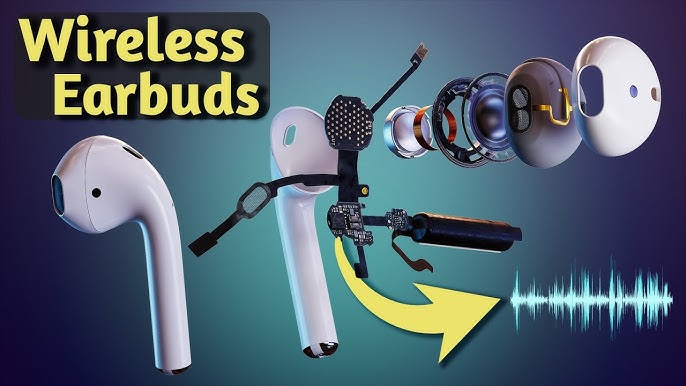
Wireless headphones need a transmitterand a receiver. The transmitter sends audio signals. The receiver gets these signals in the headphones. This process lets you hear music or calls. The transmitter is usually in your phone. The receiver is inside the headphones.
These headphones use a batteryto work. The battery is rechargeable. You can charge it with a cable. Power management is important. It makes the battery last longer. This means more time to enjoy music.
Audio drivers make the sound you hear. They are small speakers in the headphones. Good drivers give better sound quality. Clear sound is important for music lovers. Size and material of drivers affect the sound. Bigger drivers often produce better bass.
Pairing Process
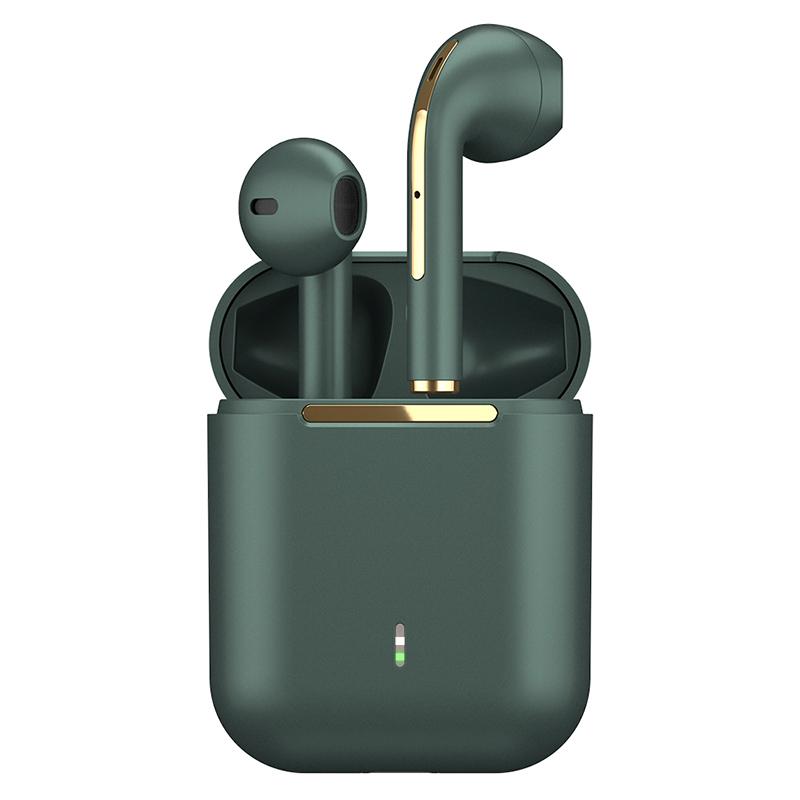
Wireless headphones connect through a pairing process. This involves syncing with a device via Bluetooth. Once paired, they stream audio seamlessly, allowing users to enjoy music or calls without cords.
Device Compatibility
Wireless headphones need a compatible device to work. Most work with phones, tablets, and computers. Bluetooth is the most common technology. Ensure your device has Bluetooth. Check settings for Bluetooth options. Some headphones work with TVs and gaming consoles. Make sure they support Bluetooth pairing.
Steps To Pair Headphones
- Turn on the headphones.
- Activate Bluetooth on your device.
- Search for available devices.
- Select your headphones from the list.
- Wait for the connection confirmation.
Troubleshooting Common Issues
Sometimes pairing doesn’t work. Check if the headphones are charged. Ensure Bluetooth is on. Restart your device if needed. Remove old connections and try again. Check for device updates. Move closer to the device. Interference can cause problems. Try different locations.
Credit: www.kentfaith.ca
Sound Quality Factors
Codecs are like translators for sound. They turn sounds into data. Some codecs are better. They keep more details in the music. Compression squashes sound data to make it smaller. This can hurt sound quality. Music might lose some bits. Higher quality codecs help your music sound better. Choose headphones with good codecs.
Latency is a waiting time. It happens between your device and headphones. Delays can be annoying. Music might not match the video. Low latency is better for watching movies. Some headphones have special features. These help reduce delays. It’s important for gamers too. Good headphones have low latency.
Noise cancellation blocks outside sounds. It helps you hear music better. There are two types: active and passive. Active uses microphones. It listens to outside noise. Then cancels it. Passive uses ear pads. It blocks sounds by covering your ears. Active noise cancellation is stronger. Choose headphones with good noise cancellation.
Battery Life And Efficiency
Wireless headphonesneed batteries to work. These batteries are rechargeable. They last long if used well. Different headphones have different charging methods. Some use USB cables. Others have charging docks. It’s easy to charge them. Just plug in and wait.
Use headphones smartly. Keep volume low. Turn off when not in use. This saves battery. It makes headphones last longer. It’s called optimizing usage.
Take care of headphone batteries. Don’t overcharge them. Avoid extreme heat or cold. Follow battery maintenance tips. This keeps them working well. Good care means longer life.
Advanced Features
Wireless headphones often have touch controls. These controls are easy to use. Just tap or swipe on the earcups. You can change the volume or switch songs. You can even answer calls. Touch controls make listening easier.
Voice assistants are like smart helpers. They listen to your commands. You can ask them to play music. You can also ask for the weather. Some headphones have built-in assistants. They work even without your phone.
Many headphones use app integration. Apps can help you customize sound. You can adjust bass or treble. Some apps also update your headphones. This keeps them working well. Apps make headphones more fun.
Future Of Wireless Audio
Wireless headphones send sound signals using Bluetooth or radio frequencies. They connect to devices like phones and tablets without cables. This technology allows easy movement and freedom from tangled wires.
Innovations In Technology
Wireless headphones are getting better with new technology. Bluetooth is faster now. It uses less power. Sound quality is improving. Some headphones can even cancel noise. This helps you hear better. Smart features are also added. You can talk to your phone with them.
Impact On Consumer Experience
Wireless headphones are easier to use now. No more tangled wires. You can walk and listen. They connect quickly to devices. Battery life is longer. Some last all day. This makes people happy. They enjoy music more.
Trends In Wireless Headphones
More people are buying wireless headphones. They are popular with kids and adults. New designs come out often. They are lighter and more comfortable. Colors and styles vary. People like to choose what fits them best. Prices are also going down. This makes them affordable for many.
Credit: www.youtube.com
Frequently Asked Questions
How Do Wireless Headphones Connect To Devices?
Wireless headphones connect via Bluetooth technology, allowing them to pair with devices like smartphones, tablets, and computers. Bluetooth transmits audio signals without cables, maintaining sound quality. Ensure the device’s Bluetooth is enabled and the headphones are in pairing mode to establish a connection.
Do Wireless Headphones Need Charging?
Yes, wireless headphones require charging to function. They contain built-in rechargeable batteries that power Bluetooth connectivity. Typically, charging is done via USB cables. Battery life varies by model, with most headphones offering several hours of playback on a full charge.
Are Wireless Headphones Compatible With All Devices?
Wireless headphones are generally compatible with devices that support Bluetooth technology. This includes most modern smartphones, tablets, and laptops. However, older devices without Bluetooth may not connect. Always check your device’s specifications to ensure compatibility with wireless headphones.
Can Wireless Headphones Work Without Internet?
Wireless headphones do not require internet to operate. They connect directly to devices via Bluetooth, which functions independently of Wi-Fi or mobile data. This allows you to enjoy audio from your device without needing an internet connection.
Conclusion
Wireless headphones bring freedom from tangled cords. They work using Bluetooth technology. This lets them connect to devices like phones or laptops. Sound travels through the air, not wires. This makes listening easy and convenient. They have built-in batteries. Recharge them for continued use.
Many models offer noise-canceling features. This enhances listening experience. Wireless headphones are popular for workouts, travel, and daily use. They provide flexibility and comfort. Understanding their workings helps in choosing the right pair. Enjoy music or calls without restrictions. A smart choice for anyone seeking convenience.

Everett Ashford is an electrical engineer and expert in electronics reviews, tips, and troubleshooting. Specializing in audio and sound devices, including earbuds, AirPods, and headphones, he brings in-depth knowledge and practical advice to help consumers make informed decisions.