
How Long Does Cooked Egg Last in the Refrigerator: Expert Tips
Have you ever wondered how long those leftover scrambled eggs or boiled eggs can safely sit in your refrigerator? You’re not alone.
We all love the convenience of cooking in advance, but the fear of food going bad can be a real concern. Knowing how long cooked eggs last in the fridge is crucial for keeping your meals safe and delicious. You’ll uncover the secrets to preserving your cooked eggs, ensuring they remain fresh and tasty for days.
Imagine confidently enjoying your favorite egg dishes without the worry of spoilage. Dive in to discover practical tips that could change the way you manage your kitchen and boost your culinary confidence.
:max_bytes(150000):strip_icc()/Simply-Recipes-Classic-Deviled-Eggs-METHOD-2-1aaf92f657e040469dfcfe82c51acaf2.jpg)
Credit: www.simplyrecipes.com
Storage Duration For Cooked Eggs
Cooked eggs stay fresh for about 3 to 4 days in the fridge. Storage methods can change this time. Use airtight containers to keep them fresh. The fridge temperature matters too. It should be below 40°F (4°C). If the cooked eggs are exposed to air, they spoil faster. Eggs mixed with other foods have a shorter life. Always check for spoilage before eating.
Look for a bad smell. That’s the first clue. Slimy texture is a bad sign. Discoloration means something’s wrong. If the eggs have mold, don’t eat them. Trust your nose and eyes. If they look or smell bad, throw them away. Eating spoiled eggs is not safe. Stay healthy by being careful.
Proper Refrigeration Techniques
The best temperature for keeping cooked eggs fresh is below 40°F (4°C). This stops bacteria from growing. Cold is crucial. Use a fridge thermometer to check the temperature. Never trust the built-in gauge completely. Adjust settings if needed. Keeping eggs at the right temperature helps them last longer.
Choose the right container to store cooked eggs. Airtight containers are best. They keep moisture out. Moisture can spoil the eggs faster. Glass or plastic containers work well. Make sure they seal tightly. This keeps the eggs fresh. Label the container with the date. This helps you remember how long they have been stored.
Safety Tips For Consuming Stored Eggs
Always store cooked eggs in the fridge. Use a clean container with a lid. Keep eggs away from raw foods. This stops germs from spreading. Wash hands before and after touching eggs. Clean your fridge often. This helps keep food safe.
Warm eggs slowly. Use a pan or microwave. Make sure they are hot all the way through. Do not reheat eggs more than once. Eat them right after reheating. Throw away any eggs left out for more than two hours. Follow these steps to stay safe and healthy.
Extending Shelf Life
Freezing cooked eggsis a smart way to keep them longer. Eggs can last for months in the freezer. First, make sure they are cool. Then, place them in an airtight container. This keeps them fresh and tasty.
Freezing changes the texture a bit. But they are still good in dishes like casseroles and quiches. It’s best to freeze scrambled or baked eggs. Fried or boiled eggs may not freeze well.
Alternative Storage Methods
Another way is using vacuum sealing. This method removes air, keeping eggs fresh. It helps reduce spoilage. Eggs stay good for weeks with this method.
Pickling is also an option. Pickled eggs can last months. They get a tangy taste. Use vinegar and spices for flavor. Always store them in the fridge. This keeps them safe to eat.
Common Myths And Misconceptions
Cooked eggs can safely last in the refrigerator for up to four days. Many believe they spoil faster. Proper storage in airtight containers helps maintain freshness and prevent foodborne illnesses.
Debunking Storage Myths
Many think cooked eggs spoil fast. This is not true. Cooked eggs can last up to seven daysin the refrigerator. Some believe eggs must be in special containers. Regular, airtight containers work fine. Eggs should be cooled before storing. This prevents bacteria growth.
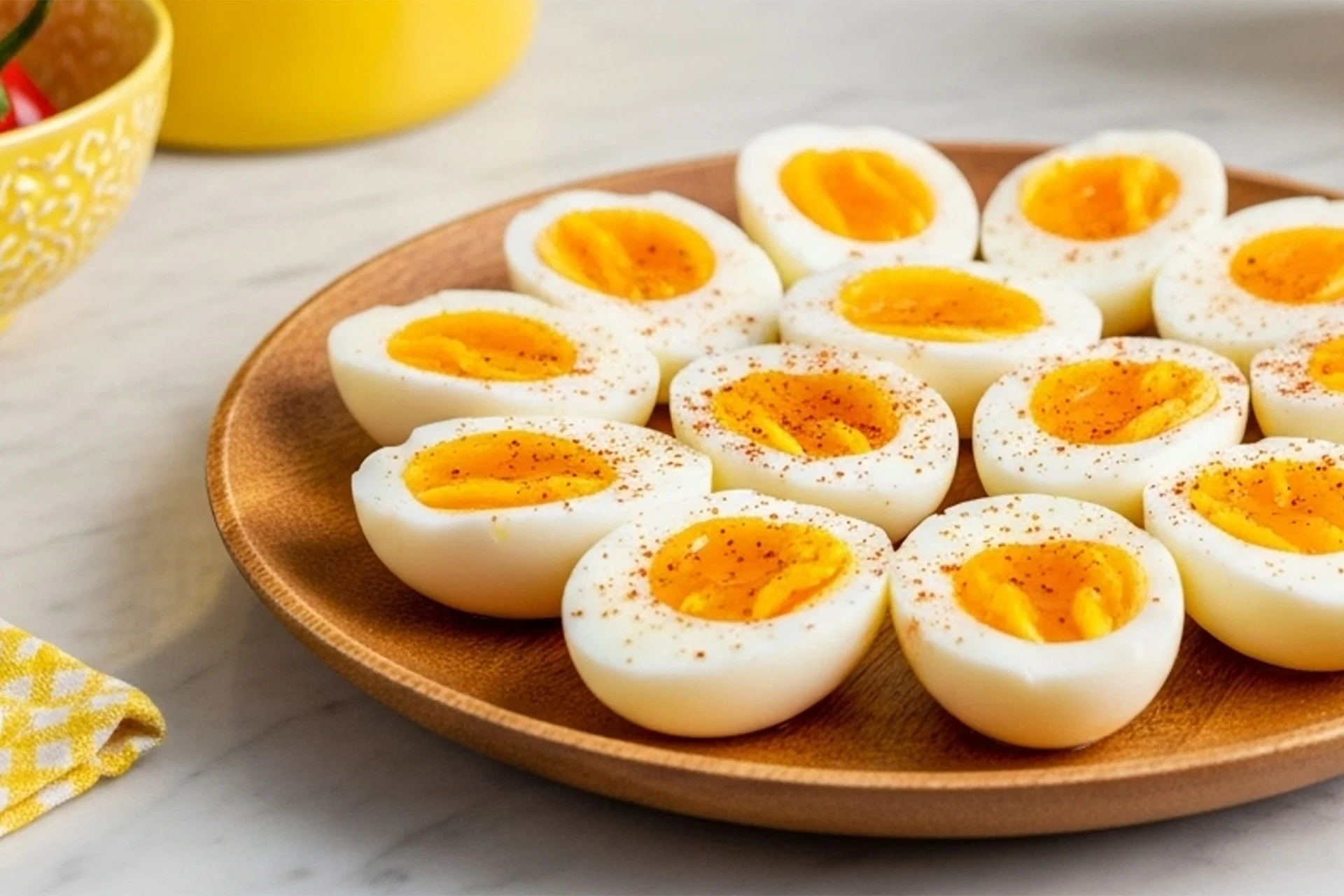
Another myth is that eggs must be eaten within three days. Experts say seven days is safe. Eggs should be kept away from raw foods. This stops cross-contamination. Hard-boiled eggs can be stored in their shells. This keeps them fresher longer. Cooked eggs should be placed on the top shelf of the fridge. The back of the fridge is colder and safer. Eggs should not be stored in the refrigerator door. Temperature there is less stable.
Expert Insights
Experts agree on egg storage rules. Always store eggs at 40°F or lower. This temperature stops bacteria growth. Keep eggs in their original carton. The carton protects eggs from strong smells. Eggs should not be frozen after cooking. Freezing changes the texture and taste. Follow these tips for safe egg storage.
Credit: www.glad.com
:max_bytes(150000):strip_icc()/perfect_hard_cooked_eggs_sldigi_eggs_02201931_0-2000-357cf8c4ed3f49b4b4be2272f4a4eb80.jpg)
Credit: www.southernliving.com
Frequently Asked Questions
How Long Do Boiled Eggs Last In The Fridge?
Boiled eggs can last up to one week in the refrigerator. Ensure they are stored in an airtight container to maintain freshness. Keep them unpeeled for better preservation. Always check for any off smell or unusual appearance before consuming.
Can Scrambled Eggs Be Refrigerated?
Yes, scrambled eggs can be refrigerated for up to four days. Store them in a sealed container to keep them fresh. Reheat thoroughly before eating to ensure safety. Avoid leaving them at room temperature for too long.
Are Leftover Egg Dishes Safe To Eat?
Leftover egg dishes are safe to eat within three to four days if refrigerated. Store them in a proper container and reheat to at least 165°F. This ensures any bacteria are killed. Check for any off smells or texture changes before consuming.
Can You Freeze Cooked Eggs?
Yes, cooked eggs can be frozen for longer storage. It’s best to freeze scrambled or lightly cooked eggs. Store in airtight containers or freezer bags. Thaw in the refrigerator and use within two to three months for best quality.
Conclusion
Storing cooked eggs properly ensures freshness and safety. Refrigerate them within two hours. They last about three to four days in the fridge. Always check for signs of spoilage. A bad smell or slimy texture? Time to toss them. Proper storage helps prevent foodborne illnesses.
Keep them in airtight containers. This maintains their quality and taste. Enjoy your eggs while they’re fresh and safe to eat. Planning meals with these guidelines helps reduce waste. Always prioritize health and safety in your kitchen. Keep these tips in mind for a healthy diet.

Jaxon Wilder is a tech enthusiast and contributor at ElectroDoz, where he dives into the latest trends in electronics and smart gadgets. With a sharp eye for innovation and hands-on testing, Jaxon brings readers practical reviews, tips, and insights on everything from everyday tech accessories to advanced devices. His goal is to make technology simpler, smarter, and more enjoyable for everyone.