
How to Fix Dishwasher Soap Dispenser Door Latch: Easy Quick Fixes
Is your dishwasher soap dispenser door latch stuck or not closing properly? This small problem can stop your dishwasher from working right, leaving your dishes dirty and frustrating you every time.
But don’t worry—you don’t need to call a repair person just yet. You’ll learn simple, step-by-step ways to fix the soap dispenser latch yourself. By the end, your dishwasher will be back to cleaning like new, saving you time and money.
Keep reading to find out how easy it can be!
Common Issues With Soap Dispenser Latch
The soap dispenser latch in your dishwasher plays a crucial role in ensuring the detergent is released at the right time during the wash cycle. However, it can develop issues that prevent it from working properly, leading to incomplete cleaning or leftover soap residue on your dishes. Understanding the common problems with the latch helps you troubleshoot effectively and avoid costly repairs.
Broken Or Damaged Latch
A broken latch is one of the most frequent problems. It may snap off or become loose over time due to regular wear and tear. If the latch doesn’t close securely, the dispenser won’t release soap at the right moment, leaving your dishes dirty.
Have you noticed the dispenser door hanging open or failing to click shut? This is a clear sign the latch might be damaged and needs replacement.
Spring Mechanism Failure
The latch relies on a small spring to snap shut and stay closed during the wash cycle. If the spring weakens or breaks, the latch won’t hold the door tight. This causes the detergent to spill out too early or not at all.
Checking the spring’s tension can reveal if it’s the culprit. Sometimes, cleaning the area around the spring can improve its function if dirt or debris is causing it to stick.
Obstruction Or Dirt Buildup
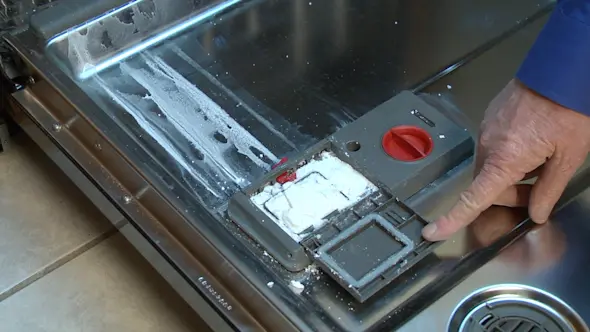
Soap residue, hard water deposits, or food particles can block the latch from closing properly. This buildup prevents the latch from aligning and locking as it should.
Have you tried cleaning the dispenser area recently? A simple wipe down with a damp cloth and a mild cleaner can remove grime and restore smooth operation.
Misaligned Dispenser Door
If the soap dispenser door is out of alignment, it won’t latch correctly. This misalignment can happen if the door is pushed too hard or if internal components shift during use.
Look closely at how the door sits in the dispenser frame. Adjusting it carefully or tightening any loose screws might fix the alignment issue without needing new parts.
Tools Needed For The Repair
Fixing a dishwasher soap dispenser door latch is easier when you have the right tools on hand. Having the correct tools not only speeds up the repair but also helps prevent damage to your dishwasher. Before you start, it’s a good idea to gather everything you’ll need to make the process smooth and hassle-free.
Essential Hand Tools
- Screwdrivers:Both Phillips and flathead screwdrivers are necessary. Different dishwasher models use different screws, so having both types ready is crucial.
- Pliers:Needle-nose pliers help you grip and manipulate small parts, especially when removing or adjusting the latch mechanism.
- Nut Driver or Socket Set:Some dispensers use nuts or bolts instead of screws. A nut driver or a small socket set can come in handy.
Additional Helpful Tools
- Multimeter:If you want to check the electrical connections or the latch switch, a multimeter helps diagnose electrical issues quickly.
- Flashlight:Repairing inside a dishwasher can be dark. A flashlight or headlamp ensures you can see small parts and screws clearly.
- Plastic Pry Tools:These prevent scratching or damaging plastic parts when you need to gently pry open the dispenser door or remove trim.
What About Replacement Parts?
Before you begin, check if you need a replacement latch or spring. Having the exact replacement part ready saves time and frustration. Ordering parts from your dishwasher’s manufacturer or a trusted supplier ensures compatibility.
Have you ever started a repair only to realize you’re missing a key tool? That pause can be avoided by preparing your toolkit beforehand. What tools do you already have that might surprise you in usefulness for this repair?
Inspecting The Soap Dispenser
Inspecting the soap dispenser is the first key step to fixing a dishwasher soap dispenser door latch. You want to identify any visible damage or blockages that may prevent the latch from closing properly. Careful inspection can save you time and money by pinpointing the exact problem.
Checking For Visible Damage
Look closely at the soap dispenser door and latch area. Cracks, warping, or broken parts can stop the door from sealing tightly. Even small damages can cause soap to leak or the latch to fail.
Have you noticed any pieces missing or loose? Sometimes, repeated use wears down the plastic components, so don’t overlook subtle damage.
Cleaning The Dispenser Area
Soap residue and hard water deposits often build up around the dispenser door and latch. This gunk can block the latch from closing fully. Use a soft cloth and mild cleaner to wipe the area thoroughly.
Try to remove all soap scum and debris from hinges and edges. A clean dispenser door will latch more smoothly and deliver soap at the right time during the wash cycle.
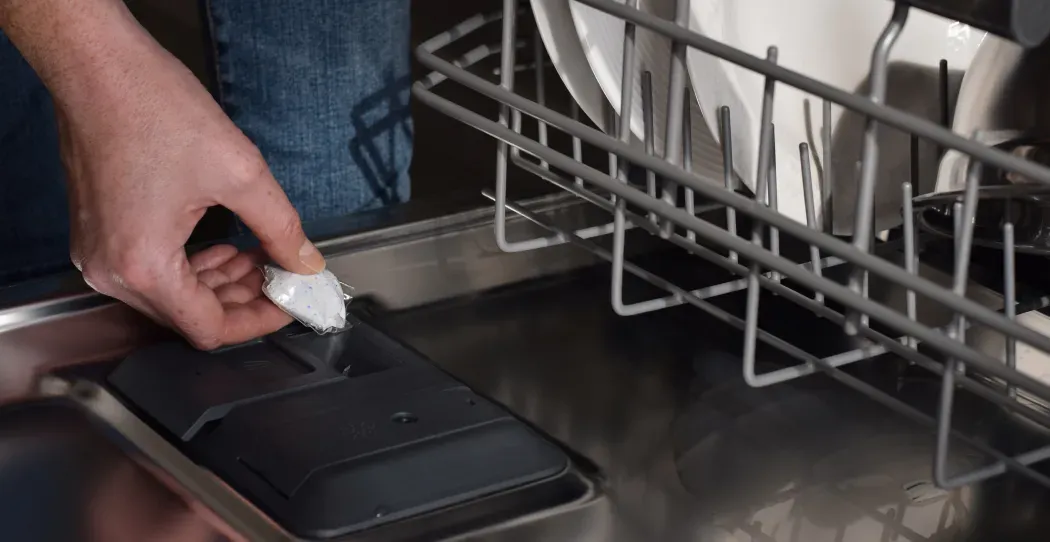
Testing The Latch Mechanism
After cleaning, gently press the door latch to check if it moves freely. The latch should click securely when closed and release easily when opened. If it feels stuck or loose, it may need adjustment or replacement.
Have you tried pressing the latch with varying pressure to see if it triggers the dispenser? This simple test can reveal if the mechanism is functioning correctly or if it’s a mechanical issue.
Credit: www.woodcocks.us
Cleaning The Latch Mechanism
Cleaning the latch mechanism of your dishwasher soap dispenser door is a crucial step to ensure it operates smoothly. Over time, soap residue and grime can build up, causing the latch to stick or fail to close properly. Taking a little time to clean this part can save you from costly repairs and improve your dishwasher’s performance.
Gathering The Right Cleaning Tools
Before you start, make sure you have everything you need. You’ll want a soft cloth, a small brush (like an old toothbrush), mild dish soap, and some warm water. Avoid harsh chemicals that could damage the latch or surrounding plastic parts.
Removing Visible Debris And Soap Residue
First, inspect the latch area closely. Use the brush to gently scrub away any soap scum, dirt, or food particles trapped in the crevices. If the latch looks greasy or sticky, dampen the cloth with warm, soapy water and wipe it down thoroughly.
Checking For Hidden Dirt Inside The Mechanism
Sometimes, grime hides deeper inside the latch mechanism. Carefully open and close the latch a few times while cleaning to loosen any buildup. If possible, use a cotton swab dipped in soapy water to reach tight spots where your brush can’t fit.
Drying And Testing The Latch
After cleaning, dry the latch completely using a dry cloth. Moisture left inside can cause rust or further sticking. Finally, test the latch by opening and closing the dispenser door several times to ensure it moves freely and locks securely.
Realigning The Dispenser Door
Realigning the dispenser door is a key step to ensure your dishwasher soap dispenser works smoothly. If the door doesn’t close properly, detergent won’t release at the right time, leaving your dishes dirty. Realignment can fix this issue quickly without needing expensive replacements.
Checking The Door Hinge For Misalignment
Start by opening the dishwasher door and inspecting the dispenser door hinge. Look closely for any bends or damage that could cause the door to sit unevenly. If you notice the hinge is bent, gently straighten it using pliers or a small screwdriver.
Sometimes dirt or soap residue builds up around the hinge, preventing a full close. Clean this area thoroughly with a damp cloth to remove any buildup. Have you ever found grime causing problems you didn’t expect? It’s a common but easily overlooked cause.
Adjusting The Latch Position
The latch holds the dispenser door shut during the wash cycle. If it’s out of place, the door won’t lock properly. Check whether the latch lines up correctly with the catch on the dishwasher body.
If the latch looks misaligned, try loosening the screws holding it and gently shifting it into the correct position. Tighten the screws back once it fits snugly. Test the door by pressing it closed to see if it clicks firmly.
Ensuring The Door Springs Are Tensioned Correctly
The springs help the dispenser door open and close smoothly. If they lose tension, the door may hang open or not seal tightly. Examine the springs for any signs of damage or stretching.
You can adjust or replace springs by detaching them from their hooks and reattaching with more or less tension. This small tweak often solves the problem of a door that won’t stay shut. Have you checked your springs recently?
Testing The Door After Realignment
Once you’ve made adjustments, close the dispenser door and press it firmly. It should stay closed without needing extra pressure. Run a short dishwasher cycle to confirm that the soap releases properly.
If the door still doesn’t close right, repeat the inspection and adjustments. Sometimes, patience and careful fine-tuning are all it takes to fix this simple but annoying issue.
Replacing The Soap Dispenser Spring
Replacing the soap dispenser spring is a key fix if your dishwasher soap dispenser door won’t latch properly. The spring controls the door’s ability to snap shut and release soap at the right time. Over time, it can wear out or break, causing the door to stay open or not open fully during the wash cycle.
Fixing this requires some patience but is quite doable with basic tools. You’ll want to get a replacement spring that matches your dishwasher’s model to ensure proper fit and function. Have you ever noticed how a small part like a spring can disrupt an entire cleaning cycle? That’s why addressing this issue quickly keeps your dishwasher running smoothly.
Locating And Accessing The Soap Dispenser Spring
First, unplug your dishwasher for safety. Open the dishwasher door and locate the soap dispenser unit on the inside of the door panel.
You might need to remove the inner door panel to reach the spring. Use a screwdriver to carefully remove screws around the panel edge. Keep track of the screws so you can reassemble everything later.
Once open, you will see the dispenser mechanism, including the spring attached to the latch. Take a close look to understand how the spring is fixed before removing it.
Removing The Old Spring
Use pliers to gently unhook the spring from the latch and dispenser body. Avoid forcing it as the metal can snap or the latch can break.
If the spring is stuck or rusted, applying a little WD-40 and letting it sit for a few minutes can help loosen it. Be cautious not to damage surrounding parts during removal.
Installing The New Spring
Attach the new spring in the exact same spots where the old one was fixed. Use pliers to stretch the spring gently if needed, but don’t overstretch it.
Test the latch by manually opening and closing the dispenser door to ensure the spring creates enough tension for a secure latch.
Reassembling And Testing
Put the inner door panel back and screw it securely. Plug the dishwasher in and run a short cycle without dishes to check if the soap dispenser door opens and closes correctly.
If it works smoothly, you’ve successfully fixed the latch issue. If not, double-check the spring placement or consider if other parts might also need attention.
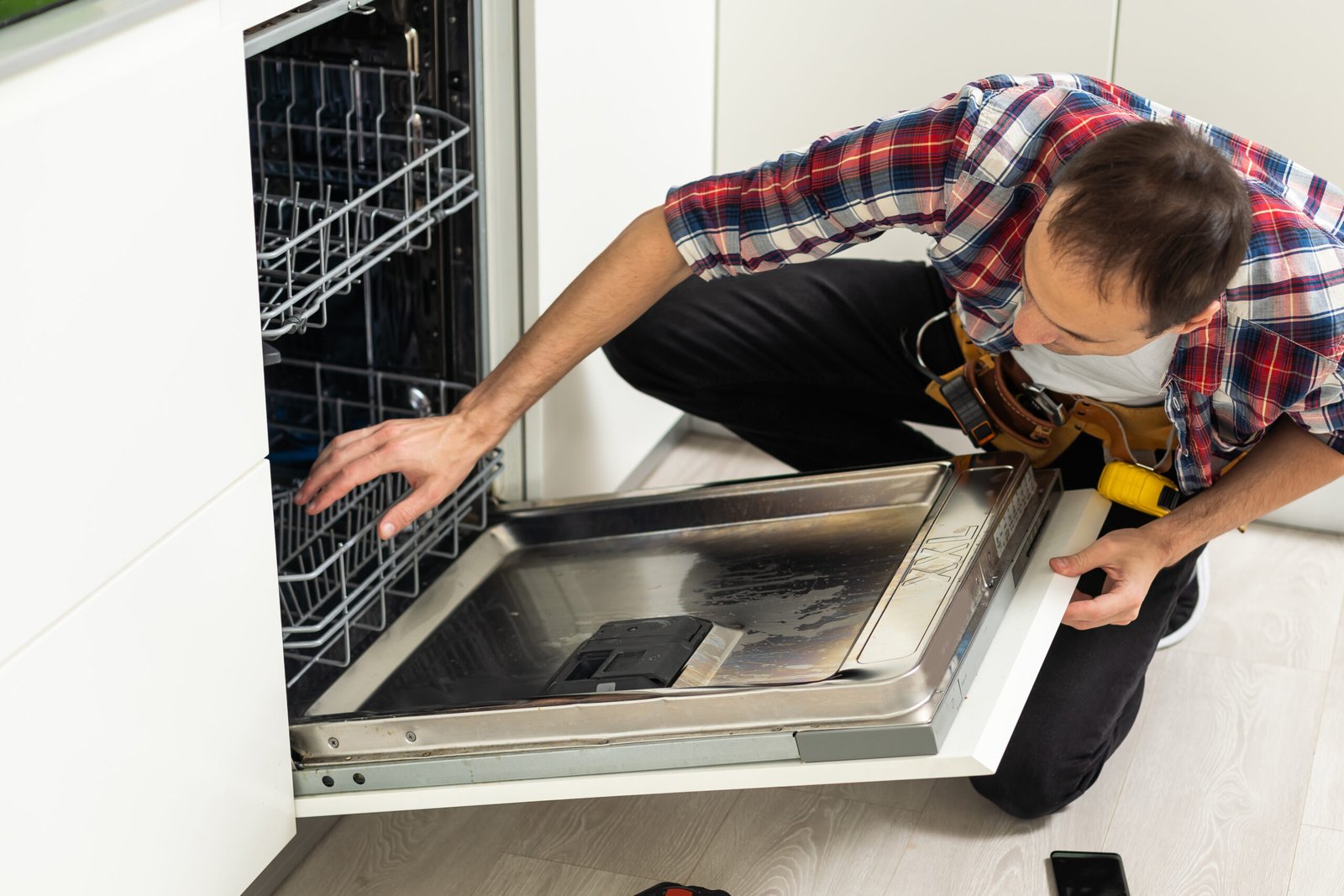
Checking The Latch For Damage
Checking the latch for damage is a crucial step when your dishwasher soap dispenser door won’t close properly. The latch holds the door tight during the wash cycle, so any damage can prevent the soap from releasing at the right time. Understanding what to look for can save you a lot of frustration and unnecessary repairs.
Identifying Visible Cracks Or Breaks
Start by closely inspecting the latch for any visible cracks or breaks. Even small fractures can stop the latch from functioning correctly. Hold the latch up to a light source if needed—sometimes damage is subtle but still impactful.
Have you noticed tiny chips or bends in the plastic? These imperfections often cause the door to stay slightly open, which means the detergent won’t dispense as it should.
Testing The Latch’s Movement And Spring Tension
Next, gently press and release the latch to check its movement. A good latch should click firmly and return to its original position smoothly. If it feels loose, sticky, or doesn’t spring back, the internal mechanism might be worn out.
Try pressing the latch multiple times to feel if the tension remains consistent. A weak or broken spring inside can cause the latch to fail, and you might need to replace it to restore proper function.
Checking For Misalignment Or Obstructions
Sometimes the latch isn’t damaged but misaligned. Look for any debris, soap residue, or buildup around the latch that could block it from closing properly. Even a small crumb can cause issues.
Make sure the latch lines up perfectly with the catch on the dishwasher door. If it’s off-center, the door won’t close tightly, and your detergent won’t release. Adjusting the latch or cleaning the area can make a surprising difference.
Credit: kitchpulse.com
Testing The Dishwasher Functionality
Testing the dishwasher functionality is crucial after fixing the soap dispenser door latch. It confirms the repair works correctly and prevents soap leaks during washing. This step also helps identify any remaining issues that need attention.
Start by running a short wash cycle to observe the dispenser door action. The door should open smoothly at the right time to release detergent. Watch for any hesitation or failure to open, which signals a problem with the latch mechanism.
Check the dishwasher for soap residue inside after the cycle. Excess soap or leftover detergent means the dispenser door did not open properly. This issue can cause poor cleaning results and needs another look at the latch.
Observing The Dispenser Door Movement
Open the dishwasher door during the wash cycle carefully. Look closely at the soap dispenser door to see if it swings open fully. A proper latch lets the door open without resistance or delay.
Monitoring Soap Release
Note if the detergent falls into the dishwasher tub at the right time. The soap should be released early in the wash cycle for effective cleaning. If the soap remains stuck, the latch or spring might need adjustment.
Checking For Water Leaks
Inspect around the dispenser area after the cycle ends. No water should leak from the door or latch area. Leaks indicate that the door seal or latch is not tight enough.
Listening For Unusual Noises
Listen carefully during the cycle for clicking or grinding sounds. These noises can mean the latch is catching or the mechanism is damaged. Smooth operation is key to a successful fix.
Repeating The Test Cycle
Run another cycle after making adjustments to the latch. Confirm the soap dispenser door works perfectly every time. Consistent performance means the repair is complete and reliable.
Preventive Maintenance Tips
Taking care of your dishwasher soap dispenser door latch before it breaks can save you from costly repairs and inconvenient dishwasher downtime. Small, regular actions can keep the latch working smoothly and avoid common problems like sticking or failing to close properly.
Have you ever opened your dishwasher only to find that the soap didn’t release? This often points to a latch issue that could have been prevented with simple maintenance. Let’s look at some practical tips you can use to keep your dispenser latch in top shape.
Keep The Dispenser Clean And Dry
Soap residue and moisture can build up around the latch, causing it to stick or jam. Wipe the dispenser door and latch area regularly with a soft cloth to remove any leftover detergent or water.
Try to dry the latch thoroughly after each dishwasher cycle. This prevents corrosion and helps the latch snap shut smoothly every time.
Check For Obstructions And Debris
Small food particles or debris can get lodged in the latch mechanism, blocking its movement. Inspect the dispenser door area for anything that might be in the way.
Use a toothbrush or a cotton swab to gently clean tight spots where dirt might hide. Keeping this area clear ensures the latch can close and open without resistance.
Lubricate The Latch Mechanism
Applying a small amount of silicone-based lubricant can keep the latch moving freely. Avoid oil-based lubricants, as they can attract dirt and cause buildup.
Apply the lubricant sparingly and wipe off any excess. You only need to do this a couple of times a year unless you notice the latch getting stiff sooner.
Test The Latch Regularly
Don’t wait until the soap dispenser fails during a wash cycle to check your latch. Open and close the dispenser door a few times each week to feel for any stickiness or resistance.
If you notice it’s not snapping shut or opening smoothly, address the issue immediately. Early detection makes fixing problems easier and less expensive.
Credit: www.searspartsdirect.com
Frequently Asked Questions
How Do I Fix A Stuck Dishwasher Soap Dispenser Latch?
To fix a stuck latch, first clean the dispenser door and latch area. Remove debris or soap buildup. Lubricate the latch hinge with a silicone-based lubricant. Check for broken parts and replace if needed. Test the latch to ensure it opens and closes properly.
Why Won’t My Dishwasher Soap Dispenser Door Latch Close?
A latch may not close due to soap residue, broken springs, or misalignment. Clean the latch area thoroughly. Inspect the latch mechanism for damage. Realign or replace parts as necessary. Ensure the latch snaps securely to prevent soap from leaking during the cycle.
Can A Faulty Soap Dispenser Latch Affect Dishwasher Cleaning?
Yes, a faulty latch can prevent detergent release. This stops soap from dispensing, leading to dirty dishes. Fixing or replacing the latch ensures the detergent is released at the right time. This improves cleaning performance and dishwasher efficiency.
How Do I Replace A Broken Dishwasher Soap Dispenser Latch?
Turn off power and water supply to your dishwasher. Remove the door panel to access the dispenser. Unscrew and detach the broken latch. Install the new latch securely and reassemble the door. Test the latch function before resuming dishwasher use.
Conclusion
Fixing the dishwasher soap dispenser latch is easier than it seems. Start by checking for dirt or damage. Clean the latch and test its movement. Replace broken parts if needed. A working latch helps your dishwasher clean dishes well. Regular care can prevent future problems.
Small fixes save you time and money. You can keep your dishwasher running smoothly with simple steps. Don’t ignore a faulty latch—it affects washing performance. Try these tips and enjoy spotless dishes every time.

Jaxon Wilder is a tech enthusiast and contributor at ElectroDoz, where he dives into the latest trends in electronics and smart gadgets. With a sharp eye for innovation and hands-on testing, Jaxon brings readers practical reviews, tips, and insights on everything from everyday tech accessories to advanced devices. His goal is to make technology simpler, smarter, and more enjoyable for everyone.


