What is Free Air Subwoofer: Ultimate Guide to Powerful Bass
Are you looking to boost your audio experience with deeper, richer bass? Understanding what a Free Air Subwoofer is could be the key to transforming your sound system.
This type of subwoofer offers a unique way to deliver powerful bass without taking up much space. By the end of this article, you’ll know exactly how a Free Air Subwoofer works and why it might be the perfect addition to your setup.
Keep reading to discover how you can get booming bass without the usual bulk.

Credit: us.amazon.com
Understanding Free Air Subwoofers
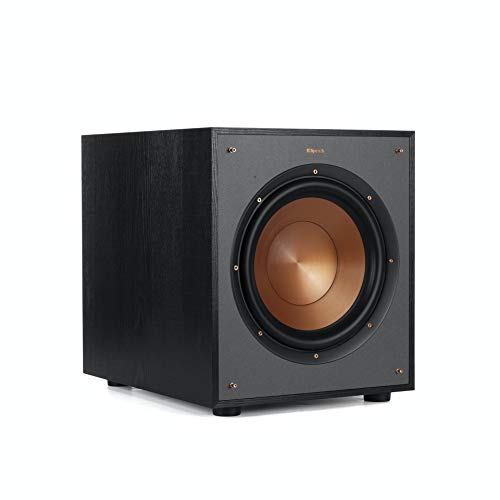
Understanding free air subwoofers helps in choosing the right speaker for your audio setup. These subwoofers do not need an enclosure to produce sound. They rely on the surrounding air to create bass tones. This makes them ideal for small spaces or custom installations.
Free air subwoofers are often used in car audio systems and some home setups. They are compact and easy to install. Despite their size, they can deliver deep bass when matched with the right amplifier.
What Makes A Subwoofer ‘free Air’?
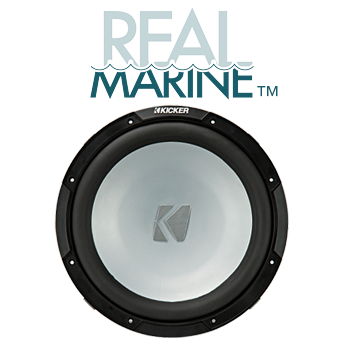
A free air subwoofer is designed without a box or enclosure. It uses the air inside the vehicle or room as a natural chamber. This design reduces the need for bulky speaker boxes. The subwoofer cone moves air directly, creating low-frequency sounds.
Advantages Of Free Air Subwoofers
- Compact size fits in tight spaces
- Easy to install and move
- Cost-effective compared to enclosed subwoofers
- Works well in cars with limited space
- Produces clear and punchy bass
Limitations To Consider
- Less powerful bass than enclosed subwoofers
- Requires careful amplifier matching
- Sound quality depends on surrounding air space
- Not ideal for very low-frequency sounds
How Free Air Subwoofers Work
Free air subwoofers deliver deep bass without the need for a dedicated box. They work by using the space inside a car or room as their enclosure. This design saves space and can offer good sound quality if set up correctly.
Basic Functionality
Free air subwoofers use the air around them to produce sound. They do not require a sealed or ported box. Instead, they rely on the car’s trunk or room space to act as a natural enclosure. The subwoofer cone moves back and forth, pushing air to create bass sounds. The surrounding air pressure helps control the cone’s movement. This system can produce deep bass tones with less distortion.
Comparison With Traditional Subwoofers
Traditional subwoofers need a specific enclosure to work properly. These boxes help control sound waves and improve bass quality. Free air subwoofers do not need these boxes, which makes them easier to install. However, traditional subwoofers often provide louder and tighter bass. Free air models may not reach the same volume or bass precision. They work best in larger spaces where the air can move freely.
Benefits Of Free Air Subwoofers
Free air subwoofers offer unique advantages that can enhance your audio setup without demanding extra space or a hefty budget. Understanding these benefits can help you decide if this type of subwoofer fits your needs and lifestyle. Let’s look at how free air subwoofers can make a difference in your sound experience.
Space Efficiency
Free air subwoofers don’t require a dedicated enclosure, which means they take up much less room. You can install them behind car panels or inside door cavities, making them ideal for tight spaces. This setup lets you enjoy deep bass without sacrificing valuable storage or passenger space.
Have you ever struggled to fit a bulky subwoofer in your vehicle or small room? Free air subs offer a neat solution by blending into existing spaces seamlessly. This makes them perfect for those who want powerful sound without the clutter.
Cost-effectiveness
Because free air subwoofers don’t need specially built boxes, you save money on extra materials and construction. The installation process is usually quicker and less labor-intensive, lowering overall costs. This makes them a budget-friendly option without compromising on bass quality.
Imagine investing in a quality subwoofer and still having money left for other audio upgrades. Free air subs can help you achieve that balance. They provide solid bass performance at a fraction of the cost of more complex setups, making them a smart choice for many enthusiasts.
Potential Drawbacks
Free air subwoofers offer flexibility but come with certain drawbacks. These issues can affect your listening experience and setup process. Knowing them helps in making a better choice.
Sound Quality Considerations
Free air subwoofers often produce less bass impact than enclosed ones. They rely on the car’s trunk or space behind them for sound. This can lead to weaker, less defined bass notes. Sound may feel hollow or less controlled. Achieving deep, tight bass is more difficult. Room acoustics greatly affect performance. Sometimes, bass can sound boomy or uneven depending on placement.
Installation Challenges
Installing free air subwoofers requires more space than sealed boxes. They need a large, empty area behind the speaker. Not all vehicles have enough room for this. Placement options can be limited and tricky. Proper installation may need custom modifications in the car. Incorrect setup may cause rattling or vibration noises. Wiring and mounting can be more complex. This can increase installation time and cost.
Choosing The Right Free Air Subwoofer
Choosing the right free air subwoofer shapes your audio experience. It influences sound quality, bass depth, and system harmony. Picking the best one depends on key factors. Size and power matter a lot. Compatibility with your audio system ensures smooth integration. Consider these to enjoy richer, fuller sound.
Size And Power
Size affects bass output and space needed. Larger subwoofers produce deeper bass. Smaller ones save space but may lack power. Power rating shows how loud the subwoofer can play. Match power with your room size for balanced sound. Too much power can cause distortion. Too little power leads to weak bass.
Compatibility With Audio System
Check if the subwoofer fits your system’s specs. Look at impedance and power handling. Match these with your amplifier or receiver. Ensure your system supports free air subwoofers. Some setups need sealed or ported subwoofers instead. Proper compatibility avoids damage and improves sound quality.
Installation Tips
Getting your free air subwoofer installed correctly can make a huge difference in sound quality. Even a powerful subwoofer can underperform if it’s not set up right. Let’s look at some practical tips to help you get the best bass experience from your system.
Optimal Placement
Placement is key for a free air subwoofer because it relies on the space around it to produce sound. Position your subwoofer near the front of your room, close to the main speakers, to create a seamless audio blend.
Try placing it on the floor rather than elevated surfaces; the floor helps enhance bass response. Avoid corners, as they can cause boomy or uneven bass. Sometimes, even a slight shift in placement—just a few inches—can improve the sound dramatically.
Have you ever noticed how moving your subwoofer changes the whole feel of the music? Experiment with different spots until the bass feels tight and natural to your ears.
Wiring And Connections
Good wiring is essential for clean, distortion-free bass. Use high-quality speaker wire to connect your free air subwoofer to your amplifier or receiver. This reduces signal loss and interference.
Keep your wires organized and away from power cables to avoid unwanted noise. Double-check all connections are secure; loose wires can cause crackling or dropouts that ruin the listening experience.
If your system supports it, use a dedicated subwoofer output (LFE) for the best signal. Have you ever had a hum or buzz? That often comes from ground loop issues, which can be fixed by proper grounding or using a ground loop isolator.
Maintenance And Care
Taking care of your free air subwoofer ensures it performs at its best and lasts longer. Regular maintenance helps you catch small problems before they become big issues. Are you ready to keep your subwoofer sounding great for years?
Regular Check-ups
Check your subwoofer’s connections often to make sure they are secure and free of dust. Loose or dirty connections can cause sound distortion or loss. Look at the wiring for any signs of wear or damage, and replace cables if needed.
Inspect the subwoofer cone carefully. Dust or debris can affect the sound quality, so gently clean it with a soft cloth. Avoid using liquids or harsh cleaners that might harm the materials.
Also, listen for any unusual noises like rattling or buzzing during playback. These can hint at internal issues that need attention. How often do you spend time simply listening to your subwoofer’s performance?
Troubleshooting Common Issues
If your subwoofer stops working or sounds weak, start by checking the power source and connections. Sometimes, a simple unplug-and-plug-back-in fixes the problem. Have you checked if the amplifier or receiver settings are correctly adjusted?
Distorted or crackling sounds can come from a blown speaker or damaged voice coil. You can test this by playing different tracks at various volumes. If the distortion persists, it might be time to consult a technician or consider a replacement.
Another common issue is rattling caused by loose parts inside the enclosure. Try gently tapping the subwoofer and listen for any unusual sounds. Tightening screws or securing loose components often solves this problem.

Credit: www.wakemakers.com
Enhancing Bass Performance
Enhancing bass performance is key to enjoying deep, rich sound from a free air subwoofer. This type of subwoofer uses the air inside your car or room as its enclosure, making it vital to optimize settings for the best output. Proper tuning and the right amplifier support can improve bass clarity and power.
Tuning Tips
Adjusting your subwoofer’s settings can greatly improve bass quality. Start by setting the crossover frequency between 80Hz and 120Hz to blend bass with other speakers. Use the phase control to align the subwoofer’s sound with main speakers. This reduces sound wave cancellation and boosts bass impact. Fine-tune the gain to balance volume without distortion. Avoid too high gain, which causes poor sound quality.
Using Amplifiers
An amplifier provides the power a free air subwoofer needs to perform well. Choose an amplifier with enough wattage to match your subwoofer’s power handling. This ensures clean and strong bass output. Use an amplifier with adjustable filters to control bass frequencies. Proper wiring and placement of the amplifier help reduce noise and improve sound clarity. A quality amplifier brings out the full potential of your subwoofer’s bass.
Popular Brands And Models
Choosing the right free air subwoofer means understanding the key players in the market. Popular brands and models stand out for their reliability, sound quality, and value. Knowing which ones fit your needs can save you time and money while boosting your audio setup.
Market Leaders
Some brands have earned a solid reputation for producing free air subwoofers that deliver deep, clear bass without the need for a traditional enclosure. These market leaders often use advanced materials and design techniques to maximize performance.
- JL Audio– Known for its durable construction and powerful output, the JL Audio 10W0v3-4 is a favorite among audiophiles.
- Rockford Fosgate– The P3D4-10 model stands out for its punchy bass and excellent build quality, perfect for both beginners and experts.
- Alpine– Alpine’s SWR-10D4 offers tight bass response and impressive power handling, making it a reliable choice for many users.
These brands focus on combining power with precision, letting you feel every beat without distortion. Have you noticed how some subs just make the music feel alive? That’s the difference these leaders bring.
Budget-friendly Options
If you’re starting out or working with a tight budget, there are solid free air subwoofers that won’t break the bank. These models offer good performance for the price, making them great for casual listeners or those testing the waters.
- Boss Audio– The CXX10 offers decent bass with a compact design, ideal for smaller spaces or budget builds.
- Skar Audio– Known for value, the SKV-1D2-10 gives you respectable power and clarity without a hefty price tag.
- Planet Audio– The AC10D is another wallet-friendly option that still delivers solid, punchy bass for everyday listening.
Does spending less mean you have to settle for less sound? Not necessarily. These budget models prove that you can enjoy impactful bass without a premium price.
Future Trends In Subwoofer Technology
The future of subwoofer technology holds exciting changes for audio lovers. Advances in design and materials will make subwoofers more efficient and powerful. These improvements aim to deliver deeper bass with less energy. New smart features will also enhance user control and customization.
Expect subwoofers to become more compact without losing sound quality. Designers focus on blending technology with aesthetics for home and car audio systems. The evolving tech promises a richer, clearer bass experience for all types of music and movies.
Innovations On The Horizon
- Use of lightweight, durable materials for better performance
- Integration of AI for automatic sound tuning
- Wireless connectivity with low latency
- Advanced voice control and app management
- Improved power efficiency and heat management
- Compact designs suited for small spaces
Impact On Sound Experience
New technologies will make bass sound more natural and immersive. Subwoofers will adjust to room shape and furniture automatically. Listeners will enjoy stronger, clearer lows without distortion. Sound systems will balance all frequencies for a smooth audio flow.
Users will notice better response in movies and music. The bass will feel more real and connected to the action. These changes will improve overall enjoyment without needing expert setup.

Credit: stereo-warehouse.com
Frequently Asked Questions
What Is A Free Air Subwoofer?
A free air subwoofer is a speaker designed to work without an enclosure. It uses the vehicle’s trunk or space behind it as the speaker box. This design saves space and delivers deep bass, but requires careful installation for optimal sound quality.
How Does A Free Air Subwoofer Work?
It works by using the air volume in the car’s trunk as its enclosure. The subwoofer cone moves air, creating sound waves that resonate in the space. This setup allows the subwoofer to produce bass without needing a sealed or ported box.
What Are The Benefits Of Free Air Subwoofers?
Free air subwoofers save space and are easier to install. They provide good bass response without bulky enclosures. This makes them ideal for vehicles with limited space or for users wanting a clean, minimalist audio setup.
Are Free Air Subwoofers Better Than Enclosed Ones?
Not necessarily; free air subs offer convenience and space-saving but may lack the deep bass power of enclosed subs. Enclosed subwoofers provide tighter, more controlled bass, ideal for audiophiles seeking maximum sound quality.
Conclusion
Free air subwoofers deliver deep bass without a box. They save space and fit well in small areas. Sound quality depends on proper placement and power. Many enjoy their clear, strong bass tones. This type suits those who want simple, clean sound.
Understanding how they work helps you choose the right one. Experiment with placement for the best listening experience. Free air subwoofers bring solid bass to many setups. They offer a practical option for audio lovers.

Finnian Delaney is a seasoned writer and editor specializing in technology and electronics. At ElectroDoz, he covers a wide range of topics, with a focus on MacBooks, laptops, fitness trackers, keyboards, and computer hardware. With a knack for making complex tech accessible, Finnian helps readers stay informed and confident when choosing their next device or upgrade.