
Can Projectors Work in Daylight: Unveiling the Truth
Imagine setting up a backyard movie night on a sunny afternoon or delivering a crucial presentation in a bright conference room. The thought might make you wonder, “Can projectors work in daylight?”
If you’ve found yourself pondering this question, you’re not alone. Many people like you are eager to harness the flexibility and excitement of using projectors without being restricted by darkness. We’ll explore everything you need to know about using projectors in daylight, so you can confidently make the most of your device, whether you’re entertaining friends or impressing colleagues.
Stay with us as we uncover the secrets to clear and vibrant projections, regardless of the time of day. Your quest for understanding begins right here, and we promise you won’t want to miss a single detail.
Projectors And Daylight Use
Bright days can make projector screens hard to see. Projectors can work in daylight but need more power. A high-lumen projector is best for bright rooms. Lumens show how bright a projector is. More lumens mean better pictures in daylight.
Outdoor projectors need to be even brighter. Shade can help make the picture clearer. You can also use special screens. These screens block some light and help the picture. Picking the right spot is important. Find a place with less light.
Some projectors have daylight modes. These modes can improve picture quality. But, it might not be perfect. Testing before use can help find the best settings. Always check the projector’s specs before buying.
How Light Impacts Projection
Light affects how well a projector shows images. Bright light can make it hard to see. This happens because strong light washes out colors. The picture becomes less clear. Projectors work best in dark rooms. But, can they work in daylight? Yes, they can. You need a strong projector. The lumens rating should be high. Lumens tell how bright the projector is. More lumens mean better performance in light.
Some projectors have special features. These features help them work in bright places. An example is ambient light rejection. This feature blocks outside light. It helps keep the picture clear. Choosing the right screen can also help. A good screen makes images brighter. So, projectors can work in daylight. But, you need the right tools.
Types Of Projectors
DLP projectors use tiny mirrors to create images. They often offer sharp visuals. Colors are usually bright and vivid. These projectors can handle fast-moving scenes well. Their compact design is a plus. However, they may produce a rainbow effect in some cases. This can be distracting to viewers.
LCD projectors shine light through liquid crystal displays. They provide good color accuracy. Image clarity is impressive for most uses. Ambient light can affect their performance. These projectors are often used in classrooms and offices. They are budget-friendly options. LCD projectors may require bulb replacements over time.
LED projectors use light-emitting diodes. They are known for energy efficiency. LEDs have a long lifespan. The colors they project are vibrant. They work well in rooms with low light. These projectors are usually portable and lightweight. They might not be suitable for large screens.
Credit: www.benq.com
Lumens And Brightness
Lumen ratingsshow how bright a projector is. Higher lumens mean brighter images. Projectors with low lumens look dim in daylight. A projector needs many lumens to work in bright places.
Daylightrequires a projector with at least 3000 lumens. This helps see pictures clearly. Bright rooms need even more lumens. A projector with 5000 lumens is great for daylight.
Choosing The Right Screen
Picking the right screen materialis important. Some materials reflect light better. This helps in bright rooms. Matte screensare good. They cut down glare. Special coatingscan improve clarity. This makes images sharper. Always check the material type. Ensure it fits your needs.
Screen color matters. White screensare common. They work well in daylight. Gray screensare better in bright rooms. They enhance contrast. Gain measures brightness. Higher gainmeans more brightness. Choose a screen with the right gain. This helps in sunlight. Make sure the color suits your room.

Credit: www.reddit.com
Enhancing Daylight Viewing
Shades and blinds help block sunlight. They keep the room dark. This makes the projector image clearer. Choose dark, thick blinds for best results. Adjust them to cover windows fully. Some blinds are easy to pull down. Others roll up and down. Find what works best for you.
Placing the projector in the right spot is key. Avoid direct sunlight on the screen. The projector should be away from windows. Angle it towards a wall or screen. Try different spots for the best picture. Move it if the image is not clear. Sometimes, small adjustments make a big difference.
Outdoor Projector Solutions
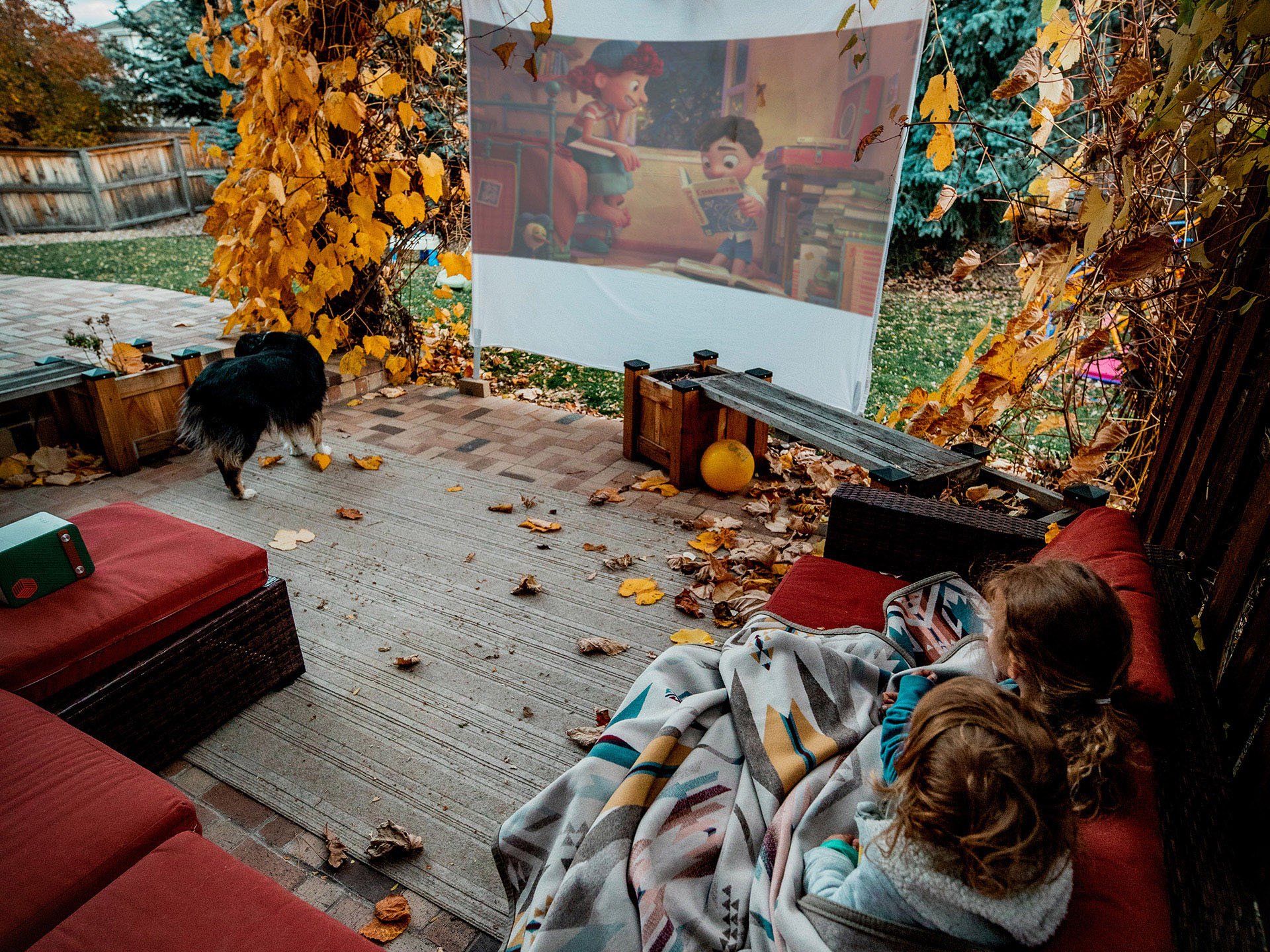
Portable projectors are small and easy to carry. They make outdoor movies fun. Brightness is key for daylight use. Choose a projector with at least 3000 lumens. This helps to see the image in the sun. Look for a projector with a high contrast ratio. It makes the picture clear and sharp. Some models have built-in speakers. This means you need fewer extra parts.
Weather can change fast outside. Protect your projector from rain and wind. Use a weatherproof cover if needed. Bright sunlight can affect the picture. Find a shady spot for better viewing. Some projectors are made for outdoor use. They resist weather better than indoor models. Always check the weather forecast before planning an event. This helps in keeping your equipment safe.
Advantages And Drawbacks
Projectors can be used during the day. Bright projectors make this possible. Outdoor events benefit from daylight projectors. No need for a dark room. More flexible setup options. Easy to move projector anywhere. Large screens show clear images. Ideal for presentations in bright places. Enhances outdoor movie experiences.
Daylight can affect projector quality. Direct sunlight makes images fade. Higher brightness needed for clear view. Expensive bulbs may be required. Bulb life reduces with high brightness. Colors may look dull in bright light. Contrast is lower than in dark rooms. Setup challenges in finding the right spot. Shade or screens might be needed.
Innovations In Projection Technology
Laser projectors are bright and clear. These projectors use laser beams. Laser beams make the image sharp and vivid. They work well even in daylight. Colors stay bright and true. Images do not fade under sunlight. This helps in outdoor events. Laser projectors are reliable and efficient. They do not need much care. Their lifespan is long. People like them for home theaters and schools.
Ultra-short throw projectors are special. They can be near the screen. This makes them flexible. You can place them very close. The image is still big and clear. They work well in daylight. Shadows do not block the view. Images remain visible even in bright places. They are perfect for small rooms. Easy to set up. Ideal for classrooms and meetings. Many people use them for presentations.
Expert Tips For Daylight Projection
Finding the right projector is key. Look for models with high lumen ratings. Brightness matters in daylight. Aim for at least 3000 lumens. This ensures clear visibility. Consider the environment too. Outdoor setups differ from indoor ones. Understand your space needs.
Placement is crucial. Avoid direct sunlight on the screen. Use a shaded area. This reduces glare. Angle the projector properly. Ensure it faces the screen directly. Adjust focus and zoom settings. This helps in clear image display. A little effort here goes a long way.
Special screens can help. Choose screens designed for daylight. Reflective screens improve brightness. Consider using a screen with high gain. Gain measures screen brightness. Accessories like shades or tents assist. They block extra light. This enhances image quality.

Credit: www.screenadvice.com
Frequently Asked Questions
Can Projectors Be Used In Daylight?
Yes, projectors can be used in daylight, but performance varies. Brightness is crucial; higher lumens ensure better visibility. Outdoor screens with anti-glare features help improve image quality. Consider using shades or tents to reduce ambient light. Investing in a projector designed for daylight use enhances viewing experience significantly.
What Lumens Are Ideal For Daylight Use?
For daylight use, projectors should have at least 3,000 lumens. Higher lumens offer brighter images, ensuring better visibility. Outdoor or daylight projectors often range between 4,000 to 6,000 lumens. Consider the environment’s light conditions to choose the ideal lumens. Proper lumens enhance viewing quality and prevent washed-out images.
How To Improve Projector Visibility In Sunlight?
Improving projector visibility in sunlight requires strategic adjustments. Use screens with anti-glare properties to enhance image clarity. Position the projector and screen in shaded areas. Adjust projector settings to optimize brightness and contrast. Consider using tents or shades to minimize direct sunlight exposure.
Are Special Screens Needed For Daylight Projection?
Yes, special screens enhance daylight projection quality. Screens with anti-glare and ambient light rejection features improve image clarity. These screens help reduce washed-out images caused by sunlight. Investing in high-quality outdoor screens enhances the viewing experience. Proper screens ensure vivid and clear projections in daylight conditions.
Conclusion
Projectors can work in daylight with proper adjustments. Use high-lumen models for better brightness. Consider screens designed for outdoor use. They reduce glare effectively. Positioning matters. Keep the projector shaded. Avoid direct sunlight. Test different angles for optimal view. Remember, ambient light affects image quality.
Adjust settings to improve contrast and clarity. Check lumens before buying. Higher lumens mean brighter images. Choose wisely based on your needs. Daylight viewing is possible with the right setup. Enjoy outdoor movie nights or presentations confidently.

Everett Ashford is an electrical engineer and expert in electronics reviews, tips, and troubleshooting. Specializing in audio and sound devices, including earbuds, AirPods, and headphones, he brings in-depth knowledge and practical advice to help consumers make informed decisions.