
How to Flip the Screen on a Projector: Quick Guide
Ever found yourself squinting at a projected image that’s upside down or sideways? It’s a common hiccup that can turn your presentation into a frustrating experience.
But don’t worry—flipping the screen on a projector is easier than you might think. Imagine the relief and confidence you’ll feel when your visuals are perfectly aligned, captivating your audience from the first slide. You don’t need to be a tech wizard to solve this issue.
With a few simple adjustments, you can ensure your projector displays your content exactly as intended. Stick with this guide, and you’ll discover the straightforward steps to flip your projector screen, transforming potential chaos into seamless professionalism. Ready to dive in? Let’s make sure your next presentation is a resounding success.

Credit: files.support.epson.com
Reasons To Flip The Screen
Flipping the screen on a projector can be useful. Sometimes, the picture appears upside down. Flipping it makes the image clear. Classrooms often need this adjustment for better viewing. Teachers use projectors for lessons. They need the image to face students correctly. Flipping helps in presentations too. Speakers want the audience to see the slides right. It is important for business meetings. Proper screen orientation makes communication effective. Home theaters might need flipping. It enhances the movie experience. Screen flipping is simple. It improves viewing quality for everyone.

Credit: www.youtube.com
Initial Setup
Start with connecting your projector to a power source. Ensure the cables are secure. This helps the projector work well. Turn on the projector by pressing the power button. Wait for the light to appear on the screen. Now, you can see the image.
Make sure the projector is in the right place. It should face the wall or screen. Check the distance between them. This affects how the image looks. If it is too close or far, adjust it. The image should be clear and not blurry.
Accessing Projector Settings
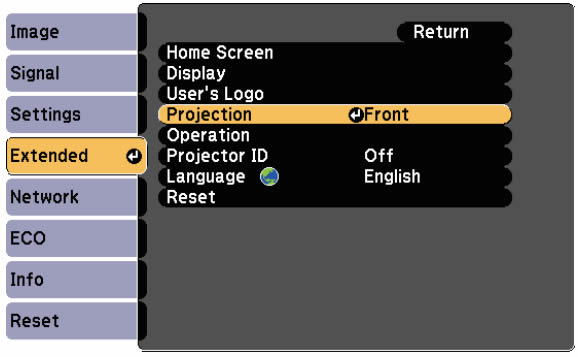
Use the remote controlto change settings. Find the button for menuor settings. Press this button to open options. Look for screen settings. Here, you can flip the screen. Press the button that allows you to rotate. Follow the on-screen instructionscarefully. This will help you change the screen. If you need help, ask an adult.
Find the settings menuon the projector. Look at the buttons on the device. Press the button marked menu. Use the arrow buttonsto navigate. Find the option for screen orientation. Press the button to selectthis option. Follow the steps to flip the screen. Make sure you read each step. This will help you do it correctly.
Flipping The Screen Orientation
Flipping the screen horizontally is simple. Press the menu button on your projector. Look for screen settings or image rotation. Select horizontal flip. This will change the image direction. Make sure your projector is supported. Some projectors might not have this feature. Check the user manual for more help.
Vertical flip changes the image upside down. Again, access the menu on your projector. Find the option for screen settings. Then, select vertical flip. This feature is great for ceiling-mounted projectors. Ensure the projector supports vertical flipping. Consult the manual if needed. Adjust settings for the best view.
Adjusting Image Settings
Keystone correction helps fix slanted images. Projectors often show images at an angle. This can make them look tilted. Use the keystone button on the remote. Press it until the image looks straight. Some projectors have auto keystone. They correct the image by themselves. If not, adjust it manually. Look for +/- buttons. Use them to make the picture straight. This way, the image will look even.
Image alignment makes sure the picture is in the right spot. Move the projector if the image is off-center. Adjust the projector’s lens shift feature. This helps move the image up, down, left, or right. Make sure the image fits the screen perfectly. Sometimes, the image may be crooked. Use the tilt adjuster at the projector’s bottom. This will help make the image flat. Always check the alignment for a clear view.
Troubleshooting Common Issues
Image distortion can happen with projectors. The screen might look stretched or squished. This can make it hard to see. Check the aspect ratio settings on the projector. Adjust it to fit the screen size. Sometimes, the cables might be loose. Tighten them to fix the image. Also, try changing the resolution settings. This can help make the image clear.
Sometimes, projector controls might not work. The remote might need new batteries. Check if the batteries are in correctly. If the buttons on the projector don’t work, try restarting it. Unplug the projector and plug it back in. Also, check if the menu is locked. Some projectors have a lock feature. Unlock it to use the controls again.
Tips For Optimal Viewing
Proper lighting is important for clear viewing. Dim the lights in the room. Bright lights can make the screen hard to see. Close curtains or blinds to reduce sunlight. A dark room helps the image look better. Use lamps with soft bulbs for a gentle glow. Avoid placing lights near the screen. This keeps the image sharp and bright.
The screen should be at eye level. This makes watching comfortable. Place the projector straight in front of the screen. Avoid angles that can cause distortion. Keep a clear path between the projector and the screen. Obstacles can block the image. Ensure the screen is flat and smooth. This helps the picture stay clear and even.
Credit: justprojectors.com.au
Safety Precautions
It’s important to be carefulwhen working with projectors. Ensure the projector is turned offbefore you start. This keeps you safe from electric shocks. Make sure your hands are dry. Wet hands can be dangerous. Use a stable surfacefor the projector. This prevents it from falling. Keep your work area cleanand free of clutter. Loose cables can cause tripping hazards. Avoid touching the lampwhen it’s hot. It can burn your skin.
Always read the manualfor specific guidance. Follow the steps carefully. If unsure, ask for help. Mistakes can damage the equipment. Keep children away from the projector. They might touch harmful parts. Safety is very importanthere.
Frequently Asked Questions
How Do I Flip My Projector Screen?
To flip your projector screen, access the projector settings. Look for options like “Image Flip” or “Screen Orientation. ” Select the desired orientation, such as horizontal or vertical. If your projector is mounted upside down, choose the “Invert Image” option to correct the display.
Can I Rotate The Projector Image Vertically?
Yes, you can rotate the projector image vertically. Access the settings menu of your projector and find the “Image Orientation” or “Vertical Flip” option. Adjust it accordingly to achieve the desired vertical rotation. This is useful if your projector is mounted in a unique position.
Why Is My Projector Screen Upside Down?
Your projector screen might be upside down due to incorrect orientation settings. Check the projector’s menu for options like “Invert Image” or “Screen Flip. ” Adjust these settings to correct the display. This often happens if the projector is ceiling-mounted or installed differently.
Is Flipping The Screen Safe For Projectors?
Flipping the screen is safe and common for projectors. Manufacturers design projectors to support various orientations. Access the settings and choose the appropriate option. Ensure proper ventilation and alignment to avoid overheating or misalignment issues during use.
Conclusion
Flipping a projector screen is simple. Follow the steps and you’re done. Adjust settings to your needs. Check your projector’s manual for guidance. Practice helps improve your skills. Don’t hesitate to explore more features. Experiment with different modes. Enjoy a perfect view for presentations.
Troubleshoot any issues with patience. Seek support if needed. You can achieve a great display with ease. Just take your time and stay focused. Be confident in your ability to adjust the screen. Share your newfound knowledge with friends. Make your projector work perfectly for you.

Everett Ashford is an electrical engineer and expert in electronics reviews, tips, and troubleshooting. Specializing in audio and sound devices, including earbuds, AirPods, and headphones, he brings in-depth knowledge and practical advice to help consumers make informed decisions.


