Can Any Speaker Be Used As A Subwoofer: Explained
Introduction
For a typical U.S. home theater, stereo system, or car audio setup, almost any speaker can play some bass, but not every speaker should be used as a subwoofer. A true subwoofer is built to move a large amount of air at very low frequencies, often below 80 Hz. Most bookshelf, satellite, center, and full-range speakers are not designed for that job.
You may be able to use a large woofer or floor-standing speaker as a temporary subwoofer. However, the speaker needs the right driver, enclosure, amplifier, crossover, and power handling. Without those, deep bass may sound weak, distorted, or damaging to the speaker.
What Makes a Speaker a Subwoofer?
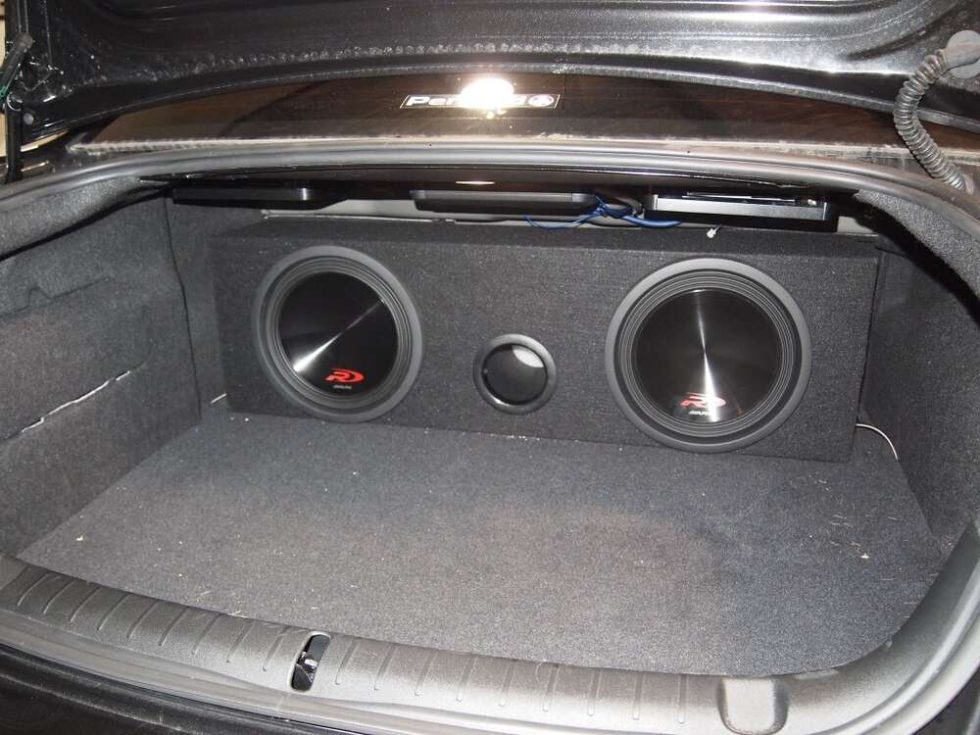
A subwoofer is a speaker designed mainly to reproduce low-frequency sound. In home audio, this usually means bass below about 80 Hz, although the exact crossover point can vary. Movie soundtracks may also contain a Low Frequency Effects, or LFE, channel that extends to about 120 Hz.
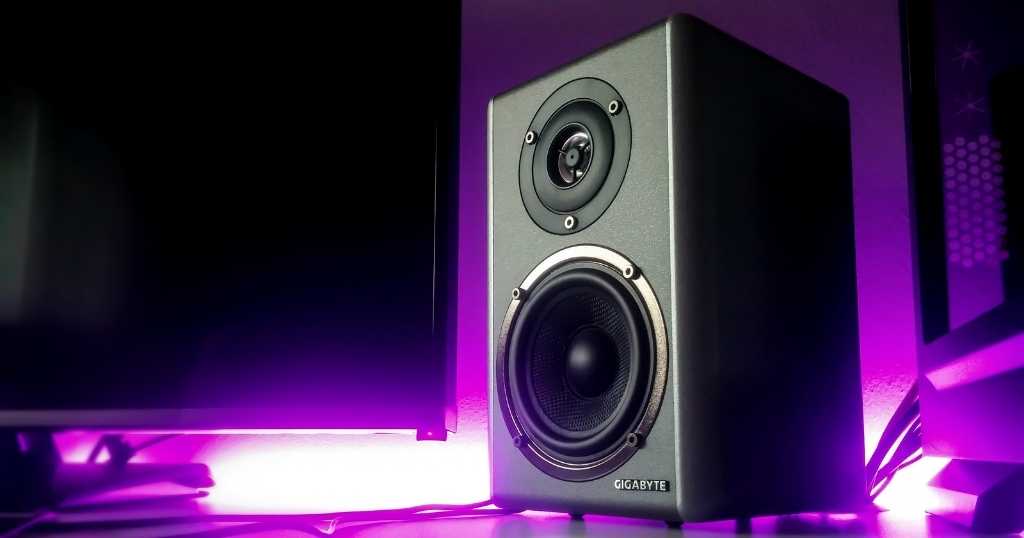
A standard speaker may include:
- A tweeter for high frequencies
- A midrange driver for voices and instruments
- A woofer for bass
- A cabinet designed for its drivers
- A crossover network that divides sound between the drivers
A subwoofer normally uses:
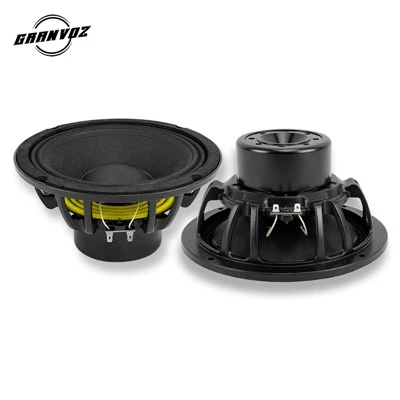
- A large woofer, often called a subwoofer driver
- A cabinet designed for deep bass
- A powerful amplifier
- A low-pass crossover
- Greater cone movement, known as excursion
- Protection against excess heat and cone movement
The main difference is not just size. It is the speaker’s ability to produce low frequencies at useful volume without excessive distortion or damage.
Woofer, full-range speaker, and subwoofer
The word woofer does not always mean subwoofer. A woofer may handle bass and lower midrange frequencies in a two-way speaker. A subwoofer is optimized for the deepest bass.
For example, a floor-standing speaker may have one or more woofers that play from 40 Hz to 2,000 Hz. A subwoofer may focus mainly on 20 Hz to 100 Hz. Both use large drivers, but they serve different roles.
Why Most Speakers Are Not Good Subwoofers
Most speakers lack one or more features needed for strong, clean sub-bass. The largest problems are limited cone movement, insufficient cabinet volume, weak amplification, and the absence of a proper low-pass filter.
Cone movement increases at low frequencies
To produce bass, a speaker cone must move air. As the frequency drops, the cone usually needs to move farther to create the same sound pressure level.
A small bookshelf speaker may play a bass note at 60 Hz without trouble. Asking it to play the same volume at 25 Hz can force the cone beyond its safe travel. The result may be:
- Rattling
- Buzzing
- Audible distortion
- A thumping or bottoming sound
- Voice-coil damage
- Torn suspension parts
This is why a speaker that sounds fine with music may fail when used for loud movie effects.
The cabinet controls bass performance
The enclosure is part of the speaker system. Its internal volume, port size, port length, and damping material all affect bass output.
A speaker cabinet designed for a midrange driver may not provide the air spring or port tuning needed for deep bass. Adding a larger woofer to that cabinet does not automatically turn it into a subwoofer.
A ported cabinet can be especially sensitive. If the port is tuned incorrectly, the driver may lose control below the tuning frequency. That can cause excessive cone movement even when the sound is not very loud.
Most regular speakers lack enough amplifier power
A passive speaker does not make power. It receives power from an external amplifier or receiver.
Deep bass often requires more amplifier power than midrange sound. If the amplifier clips, it sends a distorted signal to the speaker. Clipping can create heat and may damage the driver.
An active subwoofer avoids some of this problem because its built-in amplifier is matched to its driver and cabinet. A passive speaker used as a subwoofer needs an amplifier that can safely handle its impedance and power requirements.
A normal speaker may play too much upper-range sound
A subwoofer should normally receive only low-frequency information. A standard speaker connected to a full-range signal will also reproduce vocals, guitars, keyboards, and other sounds.
This can create muddy sound and may overload the speaker. A low-pass filter is needed to remove frequencies above the chosen subwoofer crossover point.
Can a Full-Range Speaker Work as a Subwoofer?
A large full-range speaker can sometimes work as a subwoofer, but it is usually better described as a bass speaker or woofer. It may produce useful low frequencies, especially at modest volume, but it may not match the output of a dedicated subwoofer.
This approach can work when:
- The speaker has a large woofer
- Its published frequency response reaches the desired bass range
- Its cabinet is designed for low-frequency use
- The amplifier can handle the speaker safely
- A low-pass crossover is available
- You only need moderate bass output
It is less suitable when:
- You want strong bass below 30 Hz
- You listen at high volume
- You use the speaker for movie effects
- The speaker is small or lightweight
- The manufacturer lists a high minimum frequency
- The speaker already sounds strained with normal bass
Check the frequency response
Look for a specification such as:
Frequency response: 45 Hz–20 kHz, ±3 dB
This suggests the speaker can produce useful output near 45 Hz under the stated test conditions. It does not prove that the speaker can deliver strong output at 20 or 25 Hz.
Pay attention to the tolerance. A response listed without a tolerance, such as “30 Hz–20 kHz,” gives less useful information. The speaker may produce 30 Hz very quietly.
Check the speaker’s bass behavior by ear
Listen for these signs:
- Bass becomes weak as the volume rises
- The cabinet buzzes
- The woofer makes a clicking or knocking sound
- Bass notes become fuzzy
- The speaker sounds compressed or strained
If any of these occur, lower the volume and stop using the speaker for deep bass. Do not keep increasing the amplifier level to compensate.
Can a Small Speaker Be Converted Into a Subwoofer?
A small speaker can be modified, but conversion is rarely simple or cost-effective. The driver, cabinet, amplifier, crossover, and port must work together.
Replacing a small driver with a larger one may create several problems:
- The new driver may not fit the cabinet
- The cabinet volume may be wrong
- The port may be incorrectly tuned
- The crossover may no longer work
- The amplifier may not provide enough power
- The speaker may have poor protection against over-excursion
A DIY subwoofer project is possible when you can model the driver and enclosure, design the crossover, and measure the finished system. Tools such as Thiele-Small driver parameters help determine whether a driver suits a particular cabinet.
For a simple home setup, buying or building a purpose-designed subwoofer is usually easier and safer than converting a small speaker.
Can a car speaker be used as a home subwoofer?
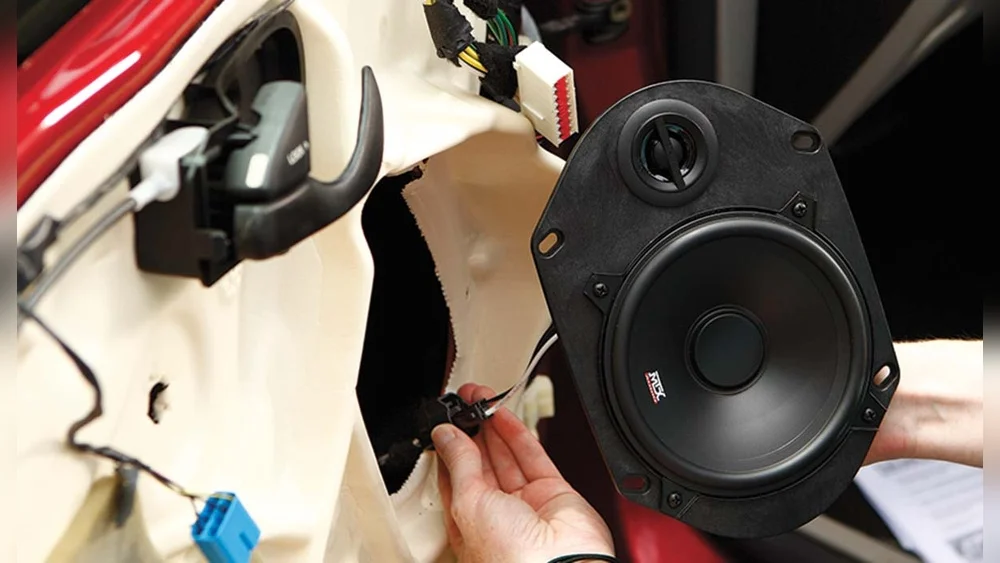
A car speaker can sometimes be used in a home project, but it is not automatically compatible with a home amplifier. Car audio systems commonly use different impedance, enclosure assumptions, and amplifier arrangements.
Check all of these before connecting it:
- Nominal impedance
- Continuous power rating
- Enclosure requirements
- Driver parameters
- Amplifier compatibility
- Wiring polarity
- Crossover needs
Never connect a speaker directly to a wall outlet. A speaker requires a properly rated amplifier.
How to Use a Regular Speaker for Bass Safely
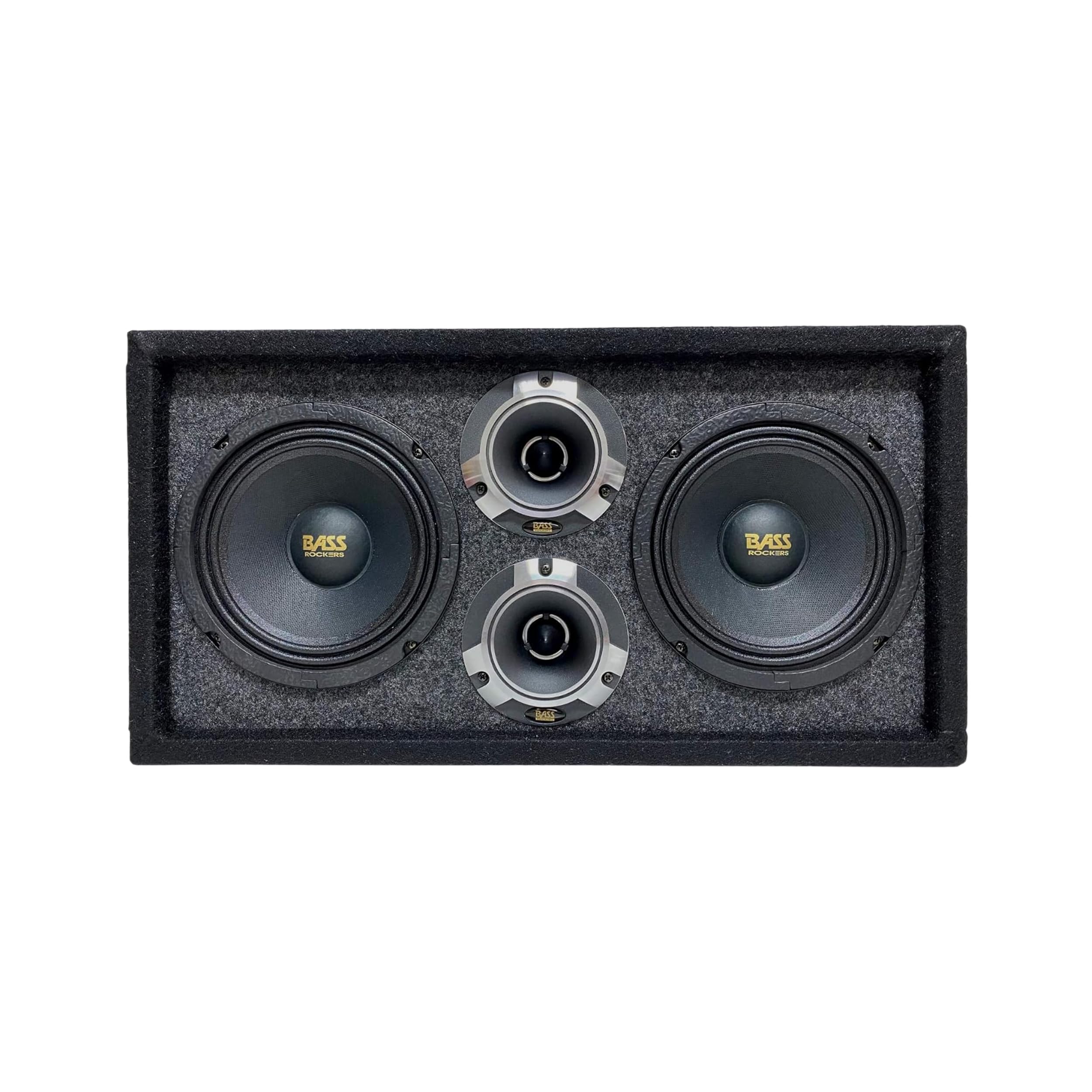
If you want to test a regular speaker as a temporary subwoofer, use a low-pass crossover and start at low volume. Do not connect it to a dedicated subwoofer amplifier until you confirm that the amplifier supports the speaker’s impedance.
Step 1: Confirm the speaker type
Find out whether the speaker is:
- Passive
- Powered or active
- A complete speaker with a built-in crossover
- A bare driver
- A speaker designed for an enclosure
A passive speaker needs an external amplifier. A powered speaker may already contain an amplifier and may not accept a separate amplified signal.
Step 2: Check impedance
The amplifier must support the speaker’s nominal impedance, usually listed as 4, 6, or 8 ohms.
A lower impedance can make an amplifier work harder. Never assume that two speakers with the same size use the same impedance. Check the label, manual, or manufacturer specification.
Step 3: Add a low-pass filter
A low-pass filter allows low frequencies to pass and reduces higher frequencies. A common starting point for a home theater system is around 80 Hz, but the correct setting depends on the main speakers and room.
You may find a low-pass filter in:
- An AV receiver
- A subwoofer amplifier
- An active crossover
- A digital signal processor
- Some powered speakers
Do not rely on a passive capacitor alone unless you understand the required filter design. A simple component may not provide the correct slope, frequency, or power handling.
Step 4: Set the level carefully
Begin with the volume or gain low. Play bass-heavy material and increase the level slowly.
Stop if you hear:
- A click
- A knock
- A buzz
- Scraping
- Harsh distortion
- A burning smell
These are warning signs, not normal subwoofer behavior.
Step 5: Keep the crossover and phase under control
If your system provides phase control, test the normal and inverted settings. Use the setting that produces stronger, smoother bass at the listening position.
Do not assume that louder bass is always better. A large peak at one room frequency can make the system sound boomy while other bass notes remain weak.

How to Connect a Speaker as a Subwoofer
The correct connection depends on whether the speaker is passive or powered.
Passive speaker
A passive speaker needs this signal path:
Source or receiver → low-pass crossover → power amplifier → speaker
Some AV receivers provide a line-level subwoofer output. That output normally connects to a powered subwoofer or a separate subwoofer amplifier. It usually cannot drive a passive speaker directly.
A passive speaker connected to a receiver’s subwoofer RCA output will usually produce little or no sound because the RCA output is not a speaker-level output.
Powered speaker
A powered speaker has its own amplifier. It may accept:
- A line-level RCA signal
- A balanced XLR or TRS signal
- A speaker-level signal, if the manual specifically allows it
Use the input type listed by the manufacturer. Do not connect an amplified speaker output to a line-level input unless the equipment is designed for that connection.
Two-channel stereo system
A stereo receiver may offer:
- A dedicated subwoofer output
- Preamp outputs
- Speaker-level outputs
- No subwoofer connection at all
If the receiver has no subwoofer output, a powered subwoofer with speaker-level inputs may be an option. For a passive speaker, you will need a suitable amplifier and crossover.
Home theater receiver
An AV receiver usually handles bass management through its setup menu. You can often set the main speakers to “Small” and send low-frequency information to the subwoofer output.
“Small” does not mean the physical speakers are small. It tells the receiver to redirect selected bass to the subwoofer channel. This can reduce strain on the main speakers and give the bass system a clearer job.
Speaker Versus Subwoofer: Which Is Better?
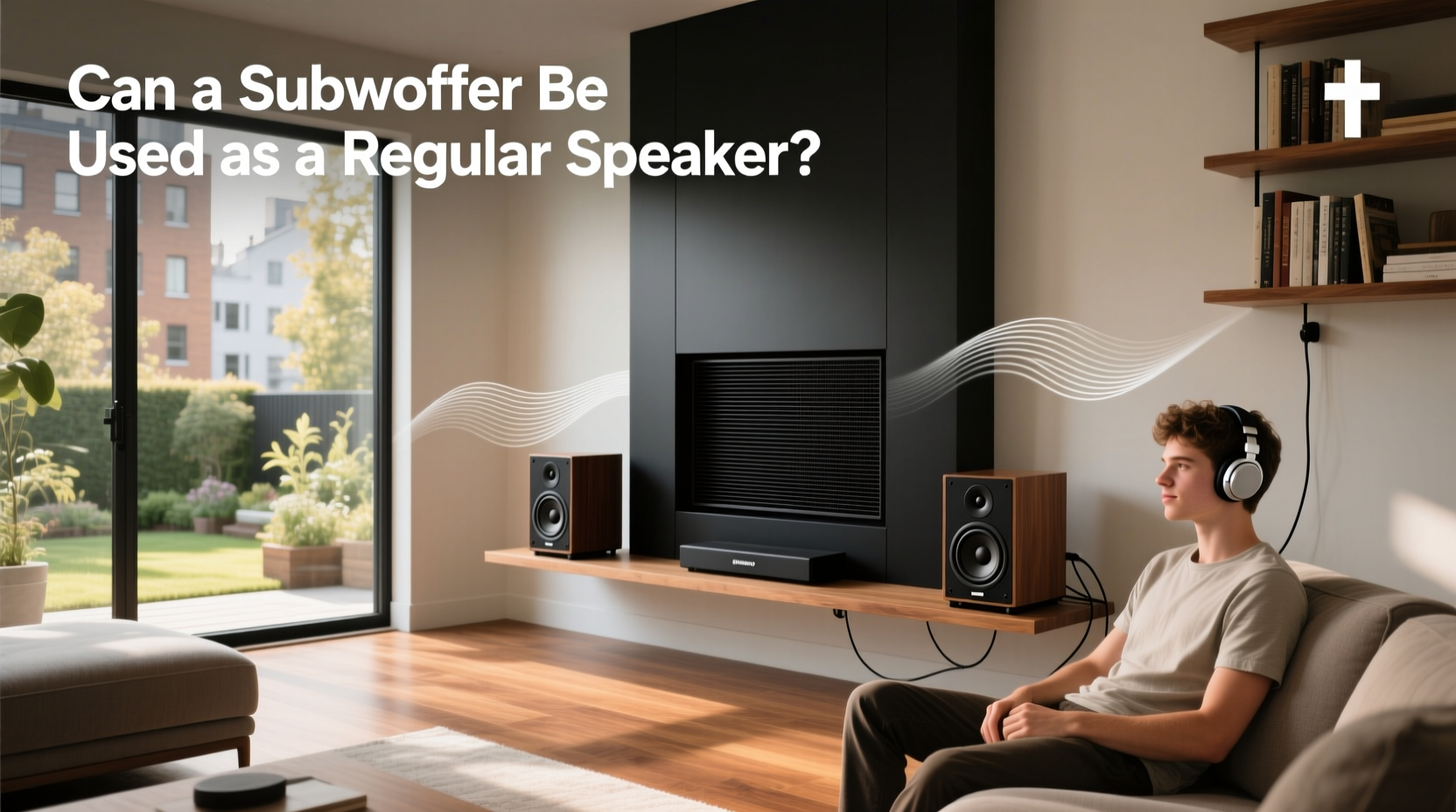
The right choice depends on the bass range, volume, space, and equipment you already own.
| Option | Best use | Main advantage | Main limitation |
|---|---|---|---|
| Small bookshelf speaker | Music and voice | Compact and balanced | Limited deep bass |
| Large floor-standing speaker | Full-range stereo | Can produce strong mid-bass | May not reach the lowest bass |
| Bare woofer in a custom cabinet | DIY project | Flexible design | Requires design and measurement |
| Powered subwoofer | Home theater and music | Matched amplifier and driver | Takes extra space and cost |
| Passive subwoofer | Custom or professional system | Works with external amplification | Needs a suitable amp and crossover |
| Car subwoofer | Vehicle or DIY enclosure | Designed for high bass output | May not suit a home system without careful matching |
A dedicated subwoofer is usually the better choice when you want:
- Deep bass below 40 Hz
- High output for movies
- Lower strain on the main speakers
- Simple receiver integration
- Built-in protection and filtering
A large main speaker may be enough when you want:
- Natural bass for music
- A simple stereo system
- Moderate listening levels
- No separate subwoofer in the room
- Strong mid-bass rather than very deep effects
Common Mistakes to Avoid
Connecting a passive speaker to an RCA subwoofer output
An RCA subwoofer output normally provides a low-level signal. It does not provide the power needed to drive a passive speaker.
Use a powered subwoofer or connect the output to a suitable amplifier.
Using a speaker with no low-pass filter
A full-range signal sends midrange and treble to the speaker. This wastes amplifier power and can make the system sound unclear.
Use the receiver’s bass-management controls or a proper external crossover.
Trusting watt numbers alone
A higher watt rating does not prove that a speaker is suitable for subwoofer use. You also need to consider:
- Frequency response
- Maximum cone travel
- Cabinet design
- Impedance
- Sensitivity
- Thermal power handling
- Distortion at the intended volume
Power ratings also vary by test method. Compare ratings only when the test conditions are clear.
Turning up the bass control too far
Bass boost can quickly increase cone movement. A speaker may handle normal bass but fail when an equalizer adds 6 or 10 dB at a low frequency.
Every 3 dB of boost requires roughly twice the amplifier power for the same speaker output, assuming the system can provide it. Large boosts can therefore use amplifier headroom very quickly.
Ignoring room placement
The room changes the sound you hear. A speaker may sound weak in one location and boomy in another.
Place the subwoofer near the intended listening area, then test different positions. For a small room, even a short move can change bass response.
Using an open speaker without a proper enclosure
A bare driver usually cannot perform correctly in open air. The front and rear sound waves can cancel each other, especially at low frequencies.
The driver needs an enclosure designed for its specifications.

What If the Speaker Sounds Weak or Distorted?
Use this troubleshooting order.
Weak bass
Possible causes include:
- The speaker cannot reach the selected frequency
- The low-pass crossover is set too low
- The amplifier lacks power
- The cabinet is too small
- The speaker is out of phase
- Room cancellation is reducing bass
- The source does not contain deep bass
Try a higher crossover point, reverse the phase setting if available, and test another location. Do not solve weak bass by immediately raising the gain.
Boomy bass
Possible causes include:
- A room mode
- Too much gain
- A crossover set too high
- Overlap between the main speakers and bass speaker
- Placement near a wall or corner
Lower the level first. Then adjust the crossover and placement.
Buzzing or rattling
Possible causes include:
- A loose cabinet panel
- A damaged driver
- A loose grille
- A port problem
- Cone over-excursion
- A clipped amplifier
Stop the test at high volume. Inspect the cabinet and connections with the system switched off.
Amplifier shuts down
This may indicate:
- A speaker impedance that is too low
- Shorted speaker wires
- Excessive volume
- Overheating
- An amplifier protection circuit
Disconnect power before checking the wiring. If the amplifier continues to shut down, use a qualified audio technician rather than repeatedly restarting it.
Key Takeaways
- Not every speaker should be used as a subwoofer.
- A large full-range speaker may reproduce useful bass, but it may not produce deep bass efficiently.
- A true subwoofer needs a suitable driver, cabinet, amplifier, and low-pass crossover.
- Check impedance before connecting a passive speaker to an amplifier.
- A receiver’s RCA subwoofer output usually cannot drive a passive speaker directly.
- Stop immediately if you hear clicking, scraping, buzzing, or harsh distortion.
- For deep movie bass and high volume, a dedicated powered subwoofer is normally the safer and more effective choice.
Frequently Asked Questions
Can I use a bookshelf speaker as a subwoofer?
You can use one for limited bass at low volume, but it is usually a poor substitute for a subwoofer. A bookshelf speaker may have limited cone movement and may not handle frequencies below 40 or 50 Hz at high volume.
Can I use a regular speaker with a subwoofer amplifier?
Only if the speaker’s impedance, power handling, enclosure, and frequency limits are compatible with the amplifier. You also need a low-pass crossover. A subwoofer amplifier does not make an unsuitable speaker safe.
Can I connect two speakers to make a subwoofer?
Connecting two ordinary speakers in parallel does not automatically create a subwoofer. It may also lower the total impedance and overload the amplifier. The speakers still need proper cabinets, filtering, and enough excursion.
Can I use a soundbar speaker as a subwoofer?
Usually not. Soundbar drivers are often small and designed to work with a specific enclosure and electronic system. Their impedance and wiring may also be unusual. Check the manufacturer’s documentation before attempting any modification.
Is a woofer the same as a subwoofer?
No. A woofer often handles bass and lower midrange in a normal speaker. A subwoofer is designed mainly for deeper bass and usually works with a dedicated low-pass filter.
What crossover frequency should I use?
A starting point of 80 Hz is common in home theater, but the best setting depends on the main speakers, room, and system design. If the main speakers are small, a higher setting may work better. If they are large and reach low, a lower setting may blend more naturally.
Conclusion
A speaker can reproduce bass without being a true subwoofer. The practical question is whether it can play the required low frequencies at the desired volume without distortion or damage.
For a temporary experiment, a large full-range speaker with a proper low-pass filter may work. For deep, loud, and reliable bass, use a purpose-built powered subwoofer or design a complete subwoofer system around a suitable driver, enclosure, amplifier, and crossover. Check the speaker’s specifications first, start at low volume, and treat any mechanical noise as a warning.
Sources for further verification
- Dolby: Speaker Setup and Bass Management
- Audio Engineering Society: Technical Publications
- Ethan Winer: The Audio Expert resources
- JBL Professional: Loudspeaker technical resources
- Crutchfield: Home audio and subwoofer setup guides

Everett Calloway is a consumer electronics writer and technology enthusiast at ElectroDoz. He enjoys exploring the latest gadgets, electronic devices, and innovative technologies that make everyday life easier. Everett focuses on creating helpful product reviews, detailed buying guides, practical how-to articles, and troubleshooting tips. His goal is to simplify complex technical information and help readers understand product features, compare their options, and make informed purchasing decisions. When he isn’t researching new electronics, he enjoys exploring emerging technology trends and discovering useful gadgets.