How to Take down a Drone: Effective and Safe Methods Revealed
Have you ever wondered what to do if a drone is flying too close or invading your privacy? Knowing how to take down a drone safely and legally can give you peace of mind.
Whether it’s protecting your property, keeping your events private, or just stopping unwanted surveillance, this guide will walk you through simple, effective steps you can use right now. Keep reading, because understanding these techniques could save you from a lot of trouble.
Understanding Drone Threats
Drones have become common in our skies, but they also bring challenges that many people overlook. Understanding these challenges helps you know why and when taking down a drone might be necessary. Let’s look closely at the real threats drones can pose to your safety and privacy.
Privacy Concerns
Drones often carry cameras, which can easily invade your personal space without permission. Imagine enjoying a quiet afternoon in your backyard, only to notice a drone hovering nearby, recording every move. This raises serious questions about your right to privacy and who controls the footage captured.
You should ask yourself: How comfortable are you with strangers potentially spying on your family or property? Many people feel uneasy, especially since drones can be small and hard to spot until it’s too late.
Security Risks
Drones can be used for more than just fun or photography. They might carry harmful objects or gather sensitive information in restricted areas. For instance, drones flying near airports or government buildings pose real dangers, potentially disrupting operations or causing accidents.
Have you ever thought about how vulnerable public events or private businesses are to drone intrusions? Understanding these risks can help you decide if action is necessary to protect your environment and others.
Legal Implications
Taking down a drone isn’t just about protecting yourself; it also involves legal considerations. Laws vary widely depending on where you live, and interfering with a drone could lead to fines or criminal charges. You must know your rights and restrictions before attempting to disable or capture a drone.
What laws apply to your area? Are you allowed to take down a drone that invades your privacy, or should you report it to authorities instead? Being informed can save you from unintended legal trouble.
Credit: www.maxim.com
Legal Considerations
Taking down a drone is not just about the action itself. Legal rules protect drone flights and prevent misuse. Understanding these laws keeps you safe from trouble. Ignoring them can cause serious problems. Know your rights and limits before taking any steps to stop a drone.
Federal Regulations
The Federal Aviation Administration (FAA) controls drone use in the United States. The FAA says drones must follow safety rules to avoid harm. Taking down a drone without permission is usually illegal. The FAA protects the airspace and drone operators. Only law enforcement or authorized agents can remove drones legally.
State And Local Laws
States and cities have their own rules about drones. Some places ban shooting down or capturing drones. Others require permits for certain drone actions. Rules differ widely by location. Always check local laws before acting. Breaking state or local laws can lead to fines or worse.
Penalties For Unauthorized Actions
Illegal drone takedown can cause penalties like fines and jail time. The FAA can fine violators up to thousands of dollars. Criminal charges may apply for damaging property or invading privacy. Courts take drone safety seriously. Unauthorized actions risk both legal and financial trouble.
Non-destructive Methods
Non-destructive methods to take down a drone focus on stopping it without causing harm. These techniques control or capture drones safely. They prevent damage to property and reduce risks to people nearby. Such methods suit areas with sensitive equipment or crowded places. Here are some effective non-destructive ways to handle drones.
Signal Jamming
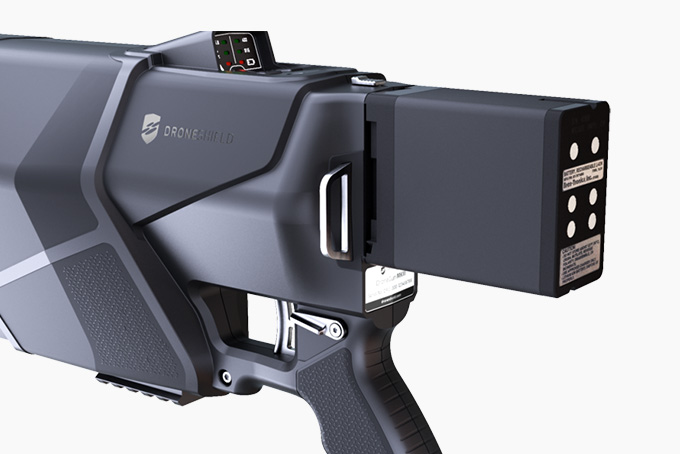
Signal jamming blocks the drone’s control signals. It interrupts communication between the drone and its operator. Without signals, the drone may hover or return home automatically. Jamming devices use radio waves on specific frequencies. They must follow legal rules to avoid interfering with other devices. Signal jamming works best in small areas.
Geofencing Technology
Geofencing creates virtual boundaries for drones. Drones programmed with geofencing avoid restricted zones. This stops drones from entering private or dangerous areas. The technology uses GPS signals to set limits. Geofencing helps prevent drone trespassing before it starts. It is widely used in airports and government facilities.
Drone Catcher Systems
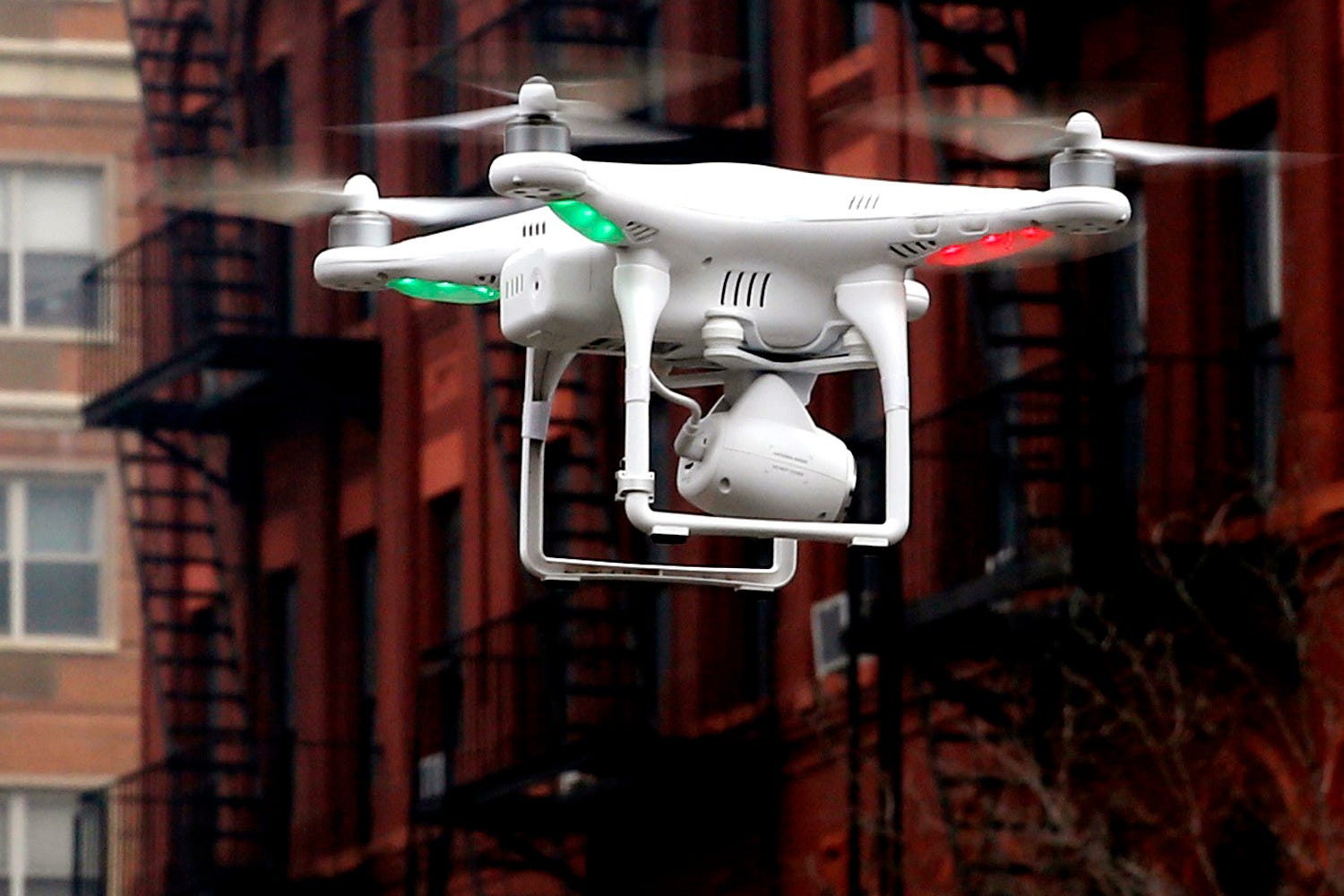
Drone catcher systems capture drones in mid-air safely. They use nets launched from another drone or ground device. The nets entangle the drone’s propellers to stop flight. This method avoids crashes and damage. Operators can recover the drone intact. These systems work well in crowded or urban areas.
Credit: medium.com
Using Technology For Detection
Detecting drones early is vital for taking them down effectively. Technology offers powerful tools to spot drones quickly. These tools help identify drones by tracking their movements and signals. Using advanced detection systems improves safety in many places.
Radar Systems
Radar systems send radio waves to detect flying objects. They measure the distance and speed of drones. Modern radar can spot small drones at long ranges. It works well in various weather conditions. Radar helps track multiple drones at the same time.
Acoustic Sensors
Acoustic sensors listen for the unique sounds drones make. They use microphones placed in key areas. These sensors can detect drone propeller noise from far away. Acoustic detection works well in quiet environments. It provides early warnings before drones get too close.
Visual And Thermal Cameras
Visual cameras capture clear images of drones during the day. Thermal cameras detect heat signatures, useful at night or in fog. Both types help confirm drone presence and location. Cameras allow real-time monitoring and recording. They assist in identifying drone types and pilots.
Physical Capture Techniques
Physical capture techniques offer a hands-on approach to taking down drones without relying on electronic interference or destructive force. These methods allow you to secure the drone intact, which can be crucial for investigation or safe removal. Each technique has its own advantages and challenges, making it important to choose the right one based on your environment and resources.
Net Launchers
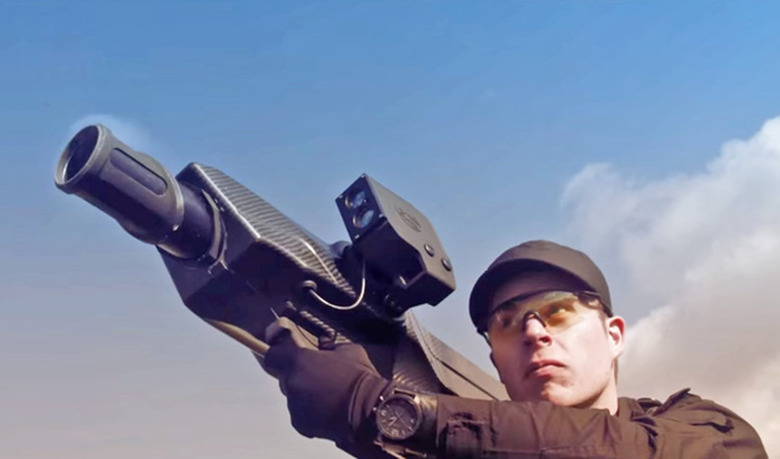
Net launchers shoot a specially designed net to entangle the drone’s propellers, bringing it safely to the ground. They come in various sizes, from handheld devices to mounted systems used by security teams. Using a net launcher requires good aim and timing, but once the net wraps around the drone, it loses control immediately.
Think about situations where you need to protect a crowd or sensitive area. Net launchers can neutralize the threat without causing harm to people below. Have you considered how easy it might be to carry one on patrol or at an event?
Trained Birds Of Prey
Surprisingly, some organizations train eagles and hawks to intercept and capture drones mid-flight. These birds use their natural hunting skills to grab the drone with their talons, disabling it instantly. This method requires expert handlers and a lot of training but can be very effective in open outdoor spaces.
Using birds avoids damage to property and reduces noise compared to mechanical methods. It also raises questions about animal welfare and ethical use. Could this old-school approach be a practical solution in your area?
Projectile Methods
Projectile methods involve shooting the drone down using non-lethal ammunition like rubber bullets or paintball rounds. The goal is to disable the drone’s motors or sensors without destroying it completely. This technique demands precision and quick reflexes to avoid missing or causing collateral damage.
Think about how you would maintain safety for people and property nearby. Projectile methods might be best in controlled environments where you can guarantee a clear shot. What measures would you take to ensure accuracy and minimize risk?
Safety Protocols
Before attempting to take down a drone, understanding and implementing strict safety protocols is crucial. These protocols protect not only you but also the public and the environment. Ignoring safety measures can lead to accidents, legal trouble, or unintended damage.
Risk Assessment
Start by evaluating the risks involved in bringing down a drone. Identify potential hazards like falling debris or loss of control. Think about the drone’s altitude, speed, and nearby people or property.
Ask yourself: What could go wrong? How can you minimize those risks? A thorough risk assessment helps you prepare and avoid surprises.
Public Safety Measures
Keep the public safe by setting up clear barriers or warning signs around the operation area. Make sure bystanders are at a safe distance before proceeding. Communicate with anyone nearby about what you’re doing and why.
Wearing protective gear such as helmets and eye protection is not just for you; consider the safety of others who might be in the vicinity. Have a spotter to watch the surroundings and alert you to any approaching people or animals.
Emergency Response Plans
Have a plan ready if something goes wrong. This includes knowing how to quickly secure the area, provide first aid, and contact emergency services if needed. Keep a fire extinguisher and first aid kit nearby just in case.
Think about how you will handle unexpected drone crashes or injuries. Preparing for emergencies ensures you stay calm and effective under pressure, reducing harm and confusion.
Ethical And Privacy Concerns
Taking down a drone raises important ethical and privacy questions that you can’t ignore. While protecting your space or sensitive areas might seem justified, interfering with drones can easily cross legal and moral boundaries. Knowing where to draw the line helps you act responsibly and avoid unintended consequences.
Balancing Security And Privacy
Security concerns often push people to disable drones flying overhead. However, you must weigh this against the drone operator’s right to privacy and lawful use. Interfering with drones without clear legal authority can lead to serious legal trouble and damage trust.
Ask yourself: Is the drone posing a real threat, or is it just an annoyance? Consider less aggressive steps first, like contacting authorities or communicating with the operator. This balance helps protect your rights without violating others’ freedoms.
Public Awareness And Education
Many conflicts with drones stem from a lack of understanding about drone laws and etiquette. Raising public awareness about where drones can and cannot fly reduces misunderstandings. You can play a role by sharing knowledge in your community or online.
Simple actions like explaining local drone regulations or encouraging respectful use can prevent many problems. Education also empowers you to respond wisely if you encounter a drone that feels invasive. What would happen if more drone users and bystanders understood these rules?
Future Implications
As drones become more common, the ethical questions around taking them down will grow sharper. Technology will evolve, but laws and social norms may lag behind. That means your actions today set precedents for how drone conflicts are handled tomorrow.
Think about the kind of world you want: one where privacy is respected and safety is prioritized, or one where fear leads to reckless drone takedowns. Your choices contribute to shaping this future. How will you navigate these challenges responsibly?
Credit: www.bgr.com
Frequently Asked Questions
How Can I Legally Take Down A Drone?
You must understand local laws before taking down a drone. Unauthorized interference can lead to fines or legal action. Always notify authorities if a drone invades your privacy or property. Legal methods include contacting law enforcement or using approved counter-drone technology.
What Tools Are Effective For Taking Down Drones?
Effective tools include signal jammers, net guns, and trained birds of prey. Signal jammers disrupt drone communication, causing it to land safely. Net guns capture drones mid-flight without damage. Use only legal and safe tools to avoid penalties.
Can I Use Signal Jammers To Disable Drones?
Signal jammers can disable drones by blocking remote control signals. However, their use is often restricted or illegal in many regions. Check local regulations before using jammers. Misuse may interfere with other devices and cause legal issues.
How To Safely Capture A Drone Without Damage?
Using a net gun or drone-catching drone is safest. These tools trap the drone without harming it. Avoid physical attacks that may cause drone crashes and injuries. Always prioritize safety and legality when capturing drones.
Conclusion
Taking down a drone requires caution and respect for laws. Always check local rules before acting. Use safe and legal methods to avoid trouble. Stay aware of your surroundings while handling drones. Remember, safety comes first for everyone involved. Understanding drone behavior helps you act wisely.
Stay calm and think clearly during any situation. Protect your space without causing harm or damage. Knowledge and care make the process smooth and safe.

Callen Ridgeway is a senior writer at ElectroDoz, where he shares his expertise on the latest in drones, webcams, cameras, and a wide range of cutting-edge electronic devices. With a passion for exploring emerging tech and breaking it down into practical insights, Callen helps readers make smarter choices when it comes to gadgets and gear. When he’s not testing the newest electronics, he’s busy keeping up with the innovations shaping the future of consumer technology.