Can I Shoot a Drone Over My Property: Legal Tips & Safety Rules
Have you ever wondered if you can fly a drone right over your own property without any trouble? Whether you’re curious about capturing stunning aerial photos or just want to enjoy the thrill of flying, knowing the rules is key.
You might think since it’s your land, you have full control—but that’s not always the case. Understanding what’s allowed can save you from unexpected fines or conflicts with neighbors. Keep reading to find out exactly what you need to know before taking your drone up in the sky above your home.
Drone Privacy Concerns
Flying a drone over your property can raise serious privacy concerns. Many homeowners worry about who might capture images or videos and how that data could be used. Understanding these concerns helps you make informed decisions about flying drones on or near your land.
What Defines Privacy In Your Airspace?
You might assume your privacy extends directly above your home, but legally, airspace rights can be complex. While you own the land, airspace is often considered public beyond a certain height. This means drones flying at typical altitudes might not be violating your privacy by default.
Still, if a drone flies low enough to capture clear images inside your home or yard, that crosses a privacy line. Ask yourself: would you feel comfortable knowing someone is recording your family moments without permission?
Legal Boundaries And Drone Regulations
Drone laws vary widely depending on where you live. Some places have strict rules about flying drones near private property or taking photos without consent. It’s essential to check local regulations before you launch your drone to avoid legal trouble.
In many areas, using a drone to spy or record someone without their knowledge is illegal. This protects your right to privacy and discourages intrusive behavior. Have you checked what your local laws say about drone flights over residential areas?
How To Protect Your Privacy From Drones
If you feel uneasy about drones hovering nearby, there are practical steps you can take. Installing privacy screens or planting tall trees can block unwanted views. You might also use motion-activated cameras to monitor drone activity around your home.
Sometimes, a polite conversation with the drone operator can solve the problem. Many drone users respect privacy concerns once they understand them. How would you approach a neighbor who flies a drone over your yard without asking?
The Role Of Drone Technology In Privacy
Advancements in drone cameras make it easier to capture detailed images from a distance. This increases privacy risks but also offers tools for responsible use. Some drones come with geofencing features that prevent them from flying into restricted areas, including private properties.
Understanding these features can help you choose drones that respect privacy or enable you to advocate for safer drone practices in your community. Would you consider technology that limits drone flights over your property?

Credit: m.youtube.com
Current Drone Laws
Understanding the current drone laws is essential before you decide to fly a drone over your property. These regulations determine where and how you can operate your drone safely and legally. Ignoring them can lead to fines or other legal troubles, so it’s crucial to stay informed.
Federal Aviation Administration (faa) Rules
The FAA regulates drone flights in the United States, and their rules apply whether you’re flying for fun or work. You must keep your drone within your visual line of sight and avoid flying above 400 feet. If your drone weighs more than 0.55 pounds (250 grams), it needs to be registered with the FAA.
One important rule is not to fly near airports or other restricted airspace without permission. These rules protect manned aircraft and ensure everyone’s safety. Have you checked if your property is near any no-fly zones?
State And Local Regulations
Besides federal rules, many states and cities have their own drone laws. These can include bans on flying over private property or restrictions on how close you can fly to neighbors. You might need to check with your local government or city website to find out what applies to your area.
Some places require you to get a permit before flying a drone, especially for commercial use. Others might have privacy laws that protect people from being filmed without consent. Are you aware of your local drone laws?
Privacy And Property Rights
Flying a drone over your own property generally isn’t illegal, but privacy concerns can arise if your drone captures images of your neighbors. Laws differ by state, but many protect people’s right to privacy on their property. Avoid flying directly over someone else’s home or yard without permission.
Respecting privacy can prevent conflicts and legal issues. Have you considered how your drone flights might affect those around you?
Airspace Rights And Regulations
Understanding airspace rights is key before flying a drone over your property. The rules protect both drone pilots and the public. Airspace above land is not owned by property owners in the usual sense. Regulations set clear boundaries on where drones can fly safely and legally. Knowing these rules helps avoid fines and legal trouble.
Private Property Airspace Limits
Property owners control the land surface and some airspace just above it. This space is typically limited to what is necessary for the use and enjoyment of the land. Flying a drone too low may invade privacy or cause safety issues. Generally, drones must fly at altitudes that do not interfere with others’ rights.
- Airspace close to the ground is considered private.
- Flying below 400 feet is often allowed for drones.
- Flying too low may still require permission.
Federal And State Jurisdictions
The Federal Aviation Administration (FAA) controls most airspace in the U.S. They set rules for drone flight nationwide. States and local governments may have additional laws. Some places restrict drone flights near schools, parks, or government buildings. Always check both federal and local rules before flying.
- FAA regulates drone altitudes and flight paths.
- States may require permits or ban flights in certain areas.
- Local rules vary widely and can include no-fly zones.
Legal Implications Of Shooting Drones
Shooting a drone over your property raises serious legal questions. The law protects people and their belongings from harm. Understanding these rules helps avoid trouble and costly consequences.
Property Damage And Liability
Destroying or damaging a drone can lead to liability issues. The drone owner might claim compensation for repair or replacement. Property damage laws usually apply, even if the drone flies over your land.
Liability can extend beyond the drone’s value. If the drone causes injury or damages other property after being shot, you might be responsible. Courts often weigh the reasonableness of your actions.
Potential Criminal Charges
Shooting a drone may break criminal laws. Drones are considered aircraft under federal law. Shooting at aircraft can lead to serious charges, including fines or jail time.
Local laws may also ban shooting in certain areas. Discharging a firearm recklessly or within city limits can result in additional penalties. Police might investigate if you shoot a drone.
Safety Risks Of Shooting Drones
Shooting a drone over your property might seem like a harmless way to deal with unwanted aerial visitors. However, there are real safety risks involved that you should carefully consider before taking any action. Understanding these risks helps you protect yourself, others, and the environment around you.
Injury Risks
Drones have fast-spinning propellers that can cause serious cuts and bruises. If you try to shoot or knock one down, falling parts can hit you or someone nearby.
Think about this: Have you ever seen how quickly a drone can drop from the sky when damaged? That sudden fall can injure pets, children, or even adults standing beneath.
Handling firearms or other tools to shoot at drones adds another layer of danger. You risk accidental self-injury or harming bystanders, especially if you’re not trained in safe shooting practices.
Environmental Hazards
Using bullets or projectiles to shoot drones can also harm the environment. Stray rounds can damage nearby plants, wildlife, or property.
There’s also the risk of starting fires if ammunition hits dry grass or trees. Have you considered how one shot could spark a larger problem?
Moreover, falling drone debris can scatter plastics and metals across your yard, creating a cleanup challenge and potential hazards for animals.
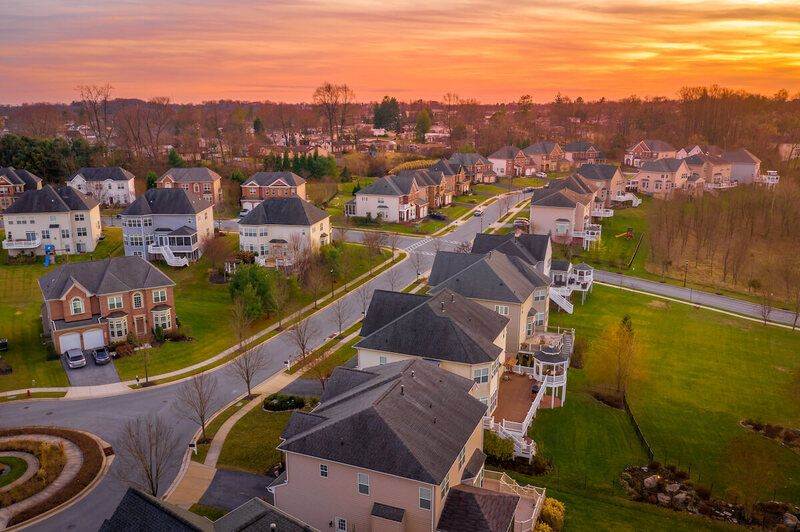
Credit: southernmarylandlaw.com
Alternative Solutions To Drone Intrusions
Dealing with drone intrusions over your property can be frustrating. Instead of reacting impulsively, consider solutions that respect privacy and the law. These alternatives help you protect your space without escalating conflicts.
Non-violent Deterrents
Using non-violent deterrents can be an effective way to discourage unwanted drone activity. Simple steps like putting up “No Drone Zone” signs around your property send a clear message to drone operators.
Other options include installing physical barriers like tall fences or trees that obstruct drone paths. Some homeowners have had success with noise-emitting devices designed to scare drones away without causing harm.
Have you thought about using technology? Signal jammers are illegal in many areas, but some anti-drone gadgets that detect drones and alert you can help you stay informed and ready to act.
Legal Recourse Options
If non-violent deterrents don’t work, exploring your legal rights is a practical next step. Laws vary by location, but many places have regulations protecting your privacy and property from drone overflights.
Start by documenting each intrusion with photos or videos. This evidence can support your case if you decide to report the issue to local authorities or file a complaint.
Consulting a lawyer knowledgeable about drone laws can clarify your options. You might be able to seek a restraining order or pursue civil action if the drone activity becomes persistent or invasive.
What steps have you taken when someone’s drone violated your space? Your experience might inspire others to protect their property wisely and legally.
Consulting Legal Experts
Flying a drone over your own property might seem straightforward, but the legal landscape can be surprisingly complex. Consulting legal experts can save you from future headaches and ensure you stay within the law. Understanding the specific rules that apply to your situation requires more than just a quick internet search.
Understanding Local Drone Laws
Drone regulations vary widely by location. A legal expert can explain the local rules that govern drone flights in your neighborhood.
They’ll help you grasp restrictions related to altitude, no-fly zones, and privacy concerns. This knowledge can prevent fines or legal disputes with neighbors or authorities.
Clarifying Property Rights And Airspace
Do you really own the airspace above your property? Legal advice can clarify how far your ownership extends vertically.
This is crucial because federal laws often regulate airspace differently than property boundaries. An expert can explain the limits and help you avoid trespassing on regulated airspace.
Handling Privacy And Liability Issues
Flying a drone can unintentionally infringe on your neighbors’ privacy. Legal experts can guide you on how to respect privacy laws while capturing footage.
They also explain your liability if your drone causes damage or injury. Knowing your responsibilities upfront protects you from costly lawsuits.
Getting Permits And Permissions
Sometimes, you may need permits to fly drones, even on your property. A lawyer can assist you in obtaining the necessary approvals from local or federal authorities.
This ensures your drone activities are fully legal, reducing risks and making your flying experience more enjoyable.
Questions To Ask Your Legal Advisor
- What local drone laws apply to my property?
- How does airspace ownership affect my drone flights?
- What privacy rules must I follow when filming?
- Am I liable if my drone causes damage?
- Do I need permits or registrations for my drone?
Getting clear answers to these questions can help you fly with confidence and avoid unexpected problems.

Credit: ctc.westpoint.edu
Staying Updated On Drone Laws
Drone laws are always changing, and staying informed is key to flying safely and legally over your property. Rules can vary widely by location and often update without much public notice. Keeping up with these changes protects you from fines and helps you respect your neighbors’ privacy.
Checking Official Government Resources Regularly
Government websites are the most reliable source for current drone regulations. Agencies like the FAA in the U.S. provide clear guidelines and updates. Bookmark these sites and visit them frequently to catch any new rules or restrictions that might affect your flights.
Subscribing To Drone Law Newsletters
Many organizations offer newsletters specifically focused on drone laws. These can deliver updates directly to your inbox, saving you time. Choose newsletters from reputable sources to ensure the information is accurate and actionable.
Joining Local Drone Communities
Connecting with local drone enthusiasts can give you practical insights about flying in your area. Members often share firsthand experiences and alert each other to new regulations. This community knowledge can be invaluable, especially for understanding how laws apply locally.
Using Apps That Track Drone Regulations
There are mobile apps designed to show real-time drone restrictions based on your GPS location. These tools help you know where you can and cannot fly before you even take off. Installing one on your phone keeps legal limits at your fingertips, making compliance easier.
Asking Yourself: How Will I Stay Ahead Of Changes?
Consider how you currently get your drone-related information. Is it enough to keep you updated? Planning a routine to check laws, join communities, or use apps can save you from surprises that could ground your drone or cost you fines.
Frequently Asked Questions
Can I Legally Fly A Drone Over My Own Property?
Yes, you can fly a drone over your property. However, you must follow local laws and FAA regulations. Ensure your drone does not invade neighbors’ privacy or fly in restricted airspace.
What Are The Privacy Rules For Flying Drones At Home?
Privacy laws prohibit recording or photographing people without consent. Avoid flying your drone where it captures private moments. Respect neighbors’ rights to prevent legal issues and maintain good relations.
Do I Need Permission To Fly A Drone Over My Yard?
Typically, you do not need permission to fly over your yard. But check local rules and any homeowners’ association guidelines. Always fly safely and respect privacy to avoid complaints.
How High Can I Fly My Drone Over Private Property?
The FAA allows drones to fly up to 400 feet above ground level. Stay within this limit to avoid penalties. Also, avoid flying near airports or restricted zones.
Conclusion
Flying a drone over your property can be simple and safe. Know the local rules before you start. Respect privacy and avoid flying near neighbors. Keep your drone in sight at all times. Stay away from airports and crowded places.
Following these tips helps you enjoy flying without trouble. Stay informed and fly responsibly every time. Your drone can bring fun and new views safely.

Callen Ridgeway is a senior writer at ElectroDoz, where he shares his expertise on the latest in drones, webcams, cameras, and a wide range of cutting-edge electronic devices. With a passion for exploring emerging tech and breaking it down into practical insights, Callen helps readers make smarter choices when it comes to gadgets and gear. When he’s not testing the newest electronics, he’s busy keeping up with the innovations shaping the future of consumer technology.