
Are Nalgene Bottles Dishwasher Safe: Ultimate Cleaning Guide
Are you wondering if your Nalgene bottle can safely go in the dishwasher? You’re not alone.
Many people ask this question because they want to keep their bottles clean without damaging them. Imagine saving time and effort by simply placing your bottle in the dishwasher, but what if that causes cracks or warping? You’ll discover the truth about Nalgene bottles and dishwashers.
By the end, you’ll know exactly how to care for your bottle so it lasts longer and stays safe for your daily use. Keep reading to protect your investment and enjoy fresh, clean water every day.

Credit: www.amazon.com
Nalgene Bottles Material Composition
Nalgene bottles are popular for their durability and safety. Understanding their material composition helps explain their care needs. These bottles are made from different types of plastics, each with unique properties. Knowing the materials can guide proper cleaning and maintenance.
What Materials Are Used In Nalgene Bottles?
Nalgene bottles mainly use two types of plastic:
- Polycarbonate (PC)
- High-Density Polyethylene (HDPE)
More recent models often use Tritan, a BPA-free plastic. Tritan is known for being strong and clear.
Properties Of Polycarbonate Bottles
Polycarbonate bottles are clear and hard. They resist impact and can handle heat well. These bottles were common before BPA concerns arose. Polycarbonate contains BPA, which led to a shift in materials.
Features Of Tritan Plastic Bottles
Tritan plastic is BPA-free and safe for daily use. It resists odors and stains better than other plastics. Tritan bottles are dishwasher safe on the top rack. They maintain clarity even after repeated washing.
High-density Polyethylene (hdpe) Characteristics
HDPE is opaque and very tough. It is resistant to chemicals and impact. These bottles are lightweight and flexible. HDPE handles cold temperatures well but may warp in high heat.
Dishwasher Compatibility
Nalgene bottles are popular for their durability and design. Many users want to know if these bottles can go in the dishwasher without damage. Understanding the dishwasher compatibility of Nalgene bottles helps keep them clean and safe. This section explores key factors affecting dishwasher use.
Heat Resistance
Nalgene bottles are made from durable plastic. They resist high temperatures well. Most Nalgene bottles can handle dishwasher heat on the top rack. The bottom rack has higher heat, which may cause warping. Avoid placing bottles on the bottom rack for safety.
Extreme heat over time can weaken the plastic. This may shorten the bottle’s life. To keep bottles safe, use a gentle cycle if possible. Avoid high-heat drying settings to protect the material.
Seal And Lid Considerations
The bottle’s seal and lid need extra care in dishwashers. Seals are often made of rubber or silicone. Heat can damage these parts and reduce their sealing ability. Remove the lid and seal before washing in the dishwasher.
Wash lids and seals by hand with mild soap and warm water. This helps keep them flexible and leak-proof. Regular hand washing extends the lid’s life and maintains performance.
Steps For Safe Cleaning
Cleaning Nalgene bottles properly keeps them safe and long-lasting. Following simple steps ensures thorough washing without damage. These steps help maintain the bottle’s quality and hygiene.
Pre-wash Preparation
Remove the cap and any accessories. Rinse the bottle with warm water to clear loose dirt. Use a bottle brush to scrub the inside gently. Avoid harsh chemicals or bleach. This step loosens grime for better cleaning.
Dishwasher Rack Placement
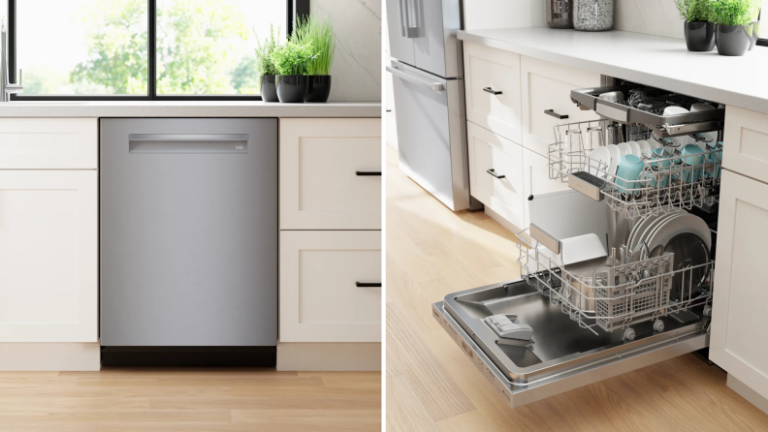
Place the bottle on the top rack of the dishwasher. The top rack avoids direct heat and reduces warping risk. Position the bottle upright to allow water flow inside. Put the cap separately to clean thoroughly. Avoid overcrowding to ensure proper washing.
Post-wash Care
Remove the bottle and cap immediately after the cycle ends. Let them air dry completely to stop mold growth. Inspect the bottle for any leftover dirt or damage. Store it open to allow airflow. Clean the cap’s threads with a small brush.

Credit: www.walmart.com
Handwashing Alternative
Not everyone has a dishwasher handy, and even if you do, sometimes handwashing your Nalgene bottle is the better choice. Handwashing gives you control over the cleaning process and ensures delicate parts don’t get damaged. It’s a reliable alternative that keeps your bottle fresh and ready for your next adventure.
Necessary Supplies
Before you start scrubbing, gather a few simple items. You’ll need:
- Warm water
- Mild dish soap
- A bottle brush with soft bristles
- A sponge or cloth for the cap
- Optional: Baking soda or white vinegar for deep cleaning
Having these supplies ready makes the process faster and more effective. Imagine trying to clean a narrow bottle without a brush—you’d quickly get frustrated!
Effective Techniques
Start by rinsing your Nalgene bottle with warm water to loosen any residue. Add a few drops of mild soap inside, then use the bottle brush to scrub the interior thoroughly. Don’t forget to clean the cap separately; bacteria can hide in the threads and seals.
If your bottle has stubborn odors or stains, sprinkle some baking soda inside and add warm water. Let it sit for 15 minutes, then scrub and rinse well. Alternatively, a vinegar soak can tackle tough buildup—just fill the bottle halfway with vinegar, top with water, and soak for about 30 minutes.
After cleaning, air dry your bottle upside down with the cap off. You might wonder if handwashing takes more time, but this method protects your bottle’s material and extends its life. Plus, it’s satisfying to see your bottle spotless without relying on machines.
Common Mistakes To Avoid
Cleaning your Nalgene bottle in the dishwasher is convenient but requires care. Avoiding common mistakes helps keep your bottle safe and clean. Simple errors can cause damage or reduce the bottle’s lifespan. Follow these tips to protect your bottle during dishwasher cycles.
Overloading The Dishwasher
Placing too many items in the dishwasher limits water flow and cleaning power. Overloading causes bottles to knock against other dishes. This can cause scratches or cracks on the Nalgene bottle. Give each item enough space for water and detergent to reach all surfaces.
Place Nalgene bottles on the top rack only. The bottom rack heat can deform the plastic. Avoid crowding near the bottle to prevent damage during the wash cycle.
Using Harsh Detergents
Strong dishwasher detergents can harm the plastic and remove the bottle’s finish. Avoid bleach or detergents with high alkaline content. These chemicals may cause discoloration or weaken the bottle material over time.
Choose mild or eco-friendly detergent options. They clean well without damaging the plastic. Rinse the bottle thoroughly after the cycle to remove detergent residues.
Extending Bottle Lifespan
Extending the lifespan of your Nalgene bottle saves money and reduces waste. Proper care keeps the bottle safe and clean for daily use. Simple habits make a big difference over time. Follow these tips to keep your bottle in great shape and enjoy it longer.
Regular Maintenance Tips
- Wash the bottle after each use with warm, soapy water.
- Use a bottle brush to clean hard-to-reach areas.
- Rinse thoroughly to remove soap residue.
- Allow the bottle to air dry completely before capping.
- Check the lid and seals for wear and replace if needed.
Storage Recommendations
- Store the bottle with the cap off to prevent moisture buildup.
- Keep it in a cool, dry place away from direct sunlight.
- Avoid placing heavy items on the bottle to prevent dents.
- Do not store liquids in the bottle for extended periods.
- Clean and dry the bottle before storing it long-term.
Credit: topodesigns.com
Frequently Asked Questions
Are Nalgene Bottles Safe To Wash In A Dishwasher?
Yes, most Nalgene bottles are dishwasher safe. Place them on the top rack to avoid heat damage. Avoid harsh detergents for longer bottle life.
Can Dishwasher Heat Damage Nalgene Bottles?
Dishwasher heat may warp low-quality plastics. Nalgene bottles are made from durable Tritan or HDPE, resisting heat well on the top rack. Avoid direct contact with heating elements.
How To Clean Nalgene Bottles In A Dishwasher?
Remove the cap and place bottles on the dishwasher’s top rack. Use mild detergent and run a normal cycle. Air-dry bottles fully before use to prevent odors.
Will Dishwasher Affect Nalgene Bottle’s Bpa-free Feature?
No, dishwasher cleaning does not affect Nalgene’s BPA-free status. Their materials are designed to withstand heat without releasing harmful chemicals.
Conclusion
Nalgene bottles are mostly safe to clean in a dishwasher. Always check the bottle’s label or instructions first. Use the top rack to avoid heat damage. Hand washing can help the bottle last longer. Keeping your bottle clean is easy and important.
Now, you know how to care for your Nalgene bottle well. Choose the best cleaning way that fits your daily routine. Clean bottles keep water tasting fresh and safe to drink. Simple steps make a big difference in bottle care.

Jaxon Wilder is a tech enthusiast and contributor at ElectroDoz, where he dives into the latest trends in electronics and smart gadgets. With a sharp eye for innovation and hands-on testing, Jaxon brings readers practical reviews, tips, and insights on everything from everyday tech accessories to advanced devices. His goal is to make technology simpler, smarter, and more enjoyable for everyone.