

How Many Amps Does a Dishwasher Use: Essential Guide for Homeowners
Are you curious about how much electricity your dishwasher actually uses? Knowing how many amps a dishwasher consumes can help you understand your energy bills and keep your home’s electrical system safe.
Whether you’re planning to install a new dishwasher or just want to be more energy-conscious, this simple but important detail can make a big difference. Keep reading to discover the facts you need to know about your dishwasher’s power use—and how it affects your home.
Average Amp Usage
Understanding the average amp usage of a dishwasher helps in managing household electricity. Most dishwashers have a standard power draw that affects your electric bill and circuit requirements. Knowing this value helps in choosing the right electrical setup and avoids overloads.
Dishwashers use electricity mainly for heating water and running the motor. This causes their current draw to vary during a cycle. The average amps consumed reflect the typical load on your home’s electrical system.
Typical Amp Rating For Dishwashers
Most dishwashers use between 6 and 10 amps during operation. The exact number depends on the model and cycle settings. High-end models with extra features may draw more power.
- Heating element power
- Motor size and efficiency
- Cycle length and intensity
- Water temperature settings
Average Amp Usage Table
| Dishwasher Type | Average Amps |
|---|---|
| Standard Models | 6 – 8 amps |
| Energy-Efficient Models | 4 – 6 amps |
| High-Power Models | 8 – 10 amps |
Impact On Electrical Circuits
Most dishwashers require a dedicated 15 or 20 amp circuit. This prevents tripping the breaker during use. Proper circuit sizing ensures safe and efficient operation.
Factors Affecting Amp Usage
Several factors influence how many amps a dishwasher uses during operation. Understanding these helps in estimating electrical load and managing power consumption effectively. Amp usage varies not just by the dishwasher itself but also by settings and efficiency ratings.
Dishwasher Model
Different dishwasher models draw different amounts of current. Older models often use more amps due to less efficient motors and heating elements. Newer models tend to have improved technology that can lower amp usage. The size and capacity of the dishwasher also affect the current draw. Larger models with more features usually consume more amps.
Cycle Settings
Dishwasher cycles impact amp consumption greatly. High-temperature wash or heavy-duty cycles use more power to heat water and run longer pumps. Quick or eco cycles use less electricity and draw fewer amps. The choice of cycle changes how much current the dishwasher pulls from the outlet.
Energy Efficiency
Energy-efficient dishwashers consume fewer amps while cleaning effectively. These models use advanced motors and better insulation to reduce power use. Energy Star-rated dishwashers often have lower amp ratings. Efficiency helps reduce electricity bills and lessens the load on home wiring.
Comparing Amps In Different Models
Understanding the amps a dishwasher uses can help you make smarter choices for your home’s electrical setup and energy bills. Different models draw different amounts of current, depending on their features and size. Comparing these amps lets you pick a dishwasher that fits your needs without overloading your circuit or wasting energy.
Standard Models
Standard dishwashers usually pull between 10 to 15 amps. These models have basic washing cycles and don’t include many energy-saving features. If your home has an older electrical system, a standard model might be easier to accommodate.
Keep in mind that these models run at full power for longer periods, which can add up on your electric bill. Have you noticed your dishwasher humming loudly or your breaker tripping? It could be related to how many amps your standard model draws.
Energy Star Models
Energy Star dishwashers typically use less current, around 8 to 12 amps. They use advanced technology to clean efficiently while consuming less electricity and water. Choosing one can reduce your energy costs and environmental footprint.
Many people don’t realize that Energy Star models often complete cycles faster too, saving time as well as power. Wouldn’t you prefer a dishwasher that’s easier on your wallet and the planet?
Compact Models
Compact dishwashers are smaller and usually draw fewer amps, often between 6 and 10. They’re perfect if you have limited space or only need to wash small loads regularly. Because of their size, they also tend to use less water and energy overall.
If you live alone or have a small family, a compact model could be a smart, energy-efficient choice. Have you thought about how much space you really need for your dishes?
Calculating Amp Requirements
Calculating the amp requirements of your dishwasher is essential for ensuring your home’s electrical system can handle the load safely. Understanding how many amps your appliance draws helps you avoid tripped breakers and potential electrical hazards. Let’s break down how you can figure this out using simple tools and information.
Understanding Amps And Watts
Amps measure the flow of electric current, while watts indicate the power your dishwasher uses. You can calculate amps if you know the wattage and voltage using the formula: Amps = Watts ÷ Volts. For example, if your dishwasher uses 1440 watts and your home’s voltage is 120 volts, the current draw is 12 amps.
Knowing this helps you check if your circuit breaker can support the dishwasher. Most household dishwashers require a 15 or 20-amp circuit, but it’s best to confirm before installation.
Using A Multimeter
If you want to measure amps directly, a multimeter is your go-to tool. Set the multimeter to the appropriate current range and connect it in series with the dishwasher’s power line. This method gives you a real-time reading of how many amps the dishwasher is pulling during operation.
Keep in mind, measuring current requires caution to avoid electric shock or damaging your device. If you’re not comfortable working with electricity, consider asking a professional for help.
Consulting The User Manual
Your dishwasher’s user manual often lists the electrical specifications, including the amp requirement. This is the easiest way to find accurate information without any guesswork. Check the section labeled “Electrical Requirements” or “Specifications” for details.
Sometimes, manuals provide recommended circuit breaker sizes and wiring guidelines, which can save you time and ensure safety. If you’ve misplaced the manual, try finding a PDF version on the manufacturer’s website using your dishwasher model number.
Implications For Home Electrical Systems
Understanding how many amps a dishwasher uses is crucial for maintaining a safe and efficient home electrical system. Your dishwasher draws a significant amount of power, and if your home’s wiring isn’t prepared for it, you could face frequent tripped breakers or even electrical hazards. Knowing the electrical demands helps you prevent issues before they start and ensures your system handles the load smoothly.
Circuit Requirements
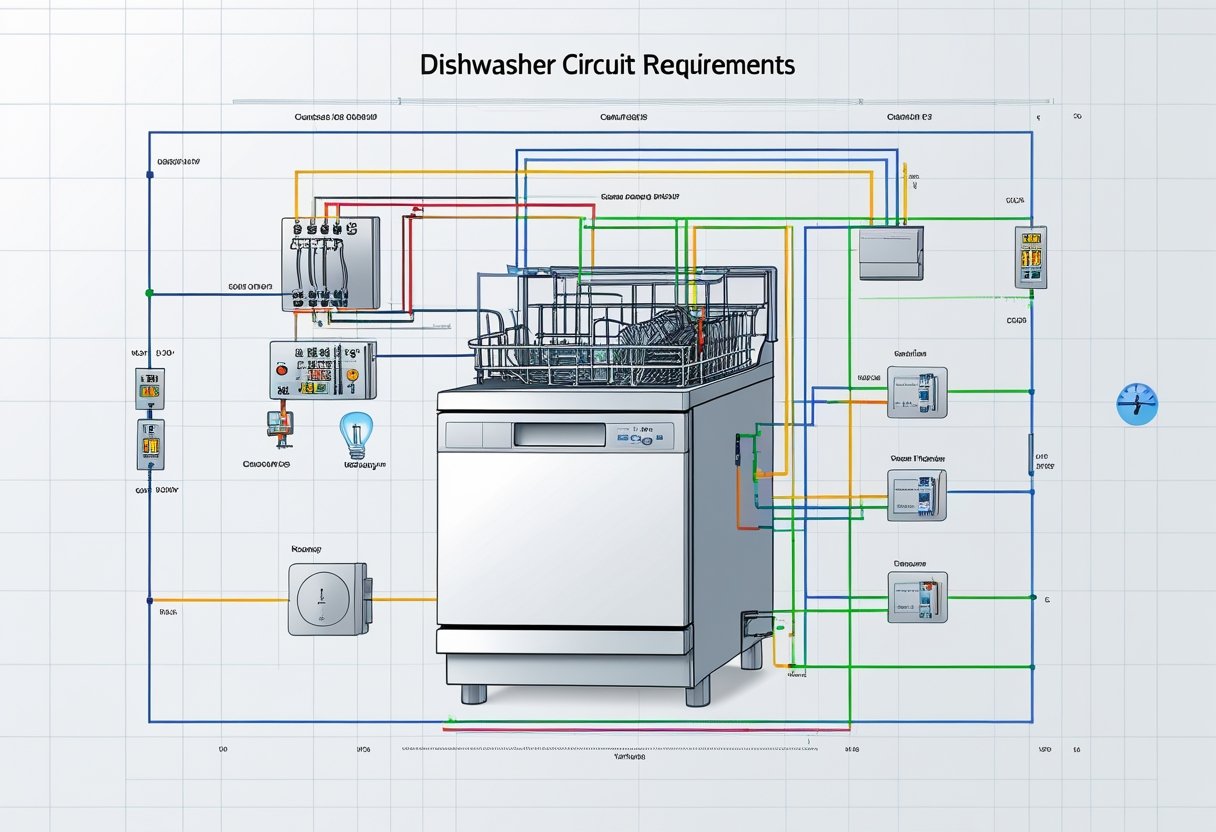
Most dishwashers require a dedicated 15 or 20-amp circuit to operate safely. This means your dishwasher should have its own breaker, separate from other appliances or outlets. Sharing a circuit with other high-draw devices can cause overloads and interruptions.
Check your dishwasher’s manual or label to find the exact amperage. If you’re upgrading to a newer model, verify whether your existing circuit can handle the new demand. If unsure, consulting an electrician can save you from costly mistakes.
Preventing Overloads
Overloads happen when too many devices run on the same circuit, exceeding its amp limit. A dishwasher combined with a garbage disposal or microwave on one circuit often causes breakers to trip. You might notice this during peak usage, like dinner time.
To prevent overloads, avoid plugging multiple heavy appliances into one circuit. Consider installing separate circuits for each major appliance. Regularly monitor your breaker panel for signs of frequent trips—these are red flags your system needs attention.
Safety Precautions
Improper wiring or circuit overloads can pose fire risks. Always use a circuit breaker that matches the dishwasher’s amperage requirements. Never bypass safety devices or use extension cords with dishwashers, as these can lead to overheating.
If you smell burning or see scorch marks near outlets, turn off power immediately and call a professional. Staying proactive about your home’s electrical safety protects your family and your property.
Credit: magnifyelectric.com
Energy-saving Tips
Saving energy with your dishwasher doesn’t just lower your electric bill—it also extends the life of your appliance. Small changes in how you use and care for your dishwasher can make a big difference in the amps it draws and the overall energy consumption. Let’s look at some practical ways you can keep your dishwasher running efficiently without sacrificing cleanliness.
Optimal Load Practices
Are you filling your dishwasher to its full capacity before running a cycle? Running smaller loads more often wastes energy and water. Try to load your dishwasher so that dishes don’t block water spray but still maximize space.
Stack plates and utensils carefully to avoid overlap, allowing water and detergent to reach every surface. If you’re unsure about the best way to load your model, check the user manual or online tutorials—sometimes a small adjustment can reduce cycle time and energy use.
Choosing Energy-efficient Cycles
Many dishwashers come with multiple cycle options, but not all use the same amount of power. Choose eco or energy-saving modes when possible; these cycles use lower temperatures and less water, which reduces amps drawn.
Think about how dirty your dishes really are. For lightly soiled plates, a quick or light wash often does the job without ramping up energy use. Have you noticed how sometimes the default cycle runs longer than necessary? Switching to a shorter cycle can help you save without losing cleaning power.
Regular Maintenance
Dirty filters and clogged spray arms can make your dishwasher work harder, increasing its energy consumption. Clean the filter and spray arms regularly to keep water flowing freely and reduce the amps needed during cycles.
Check door seals and hinges for wear and tear. A tight seal keeps heat inside, cutting down on energy loss. You might be surprised how a little maintenance can lower your dishwasher’s electrical demand and improve its performance.
When To Consult A Professional
Knowing when to call a professional electrician can save you time, money, and stress when dealing with your dishwasher’s electrical needs. If you notice unusual behavior, frequent tripping of breakers, or if your dishwasher draws more amps than your circuit can handle, it’s time to get expert help. Handling electrical components without proper knowledge can be dangerous and may lead to bigger problems.
Electrical Upgrades
Your dishwasher usually requires a dedicated circuit with a specific amp rating. If you’re upgrading to a newer model with higher power demands, your existing wiring might not be sufficient.
Signs you need an upgrade include frequent breaker trips or flickering lights when the dishwasher runs. A professional can assess your home’s electrical system and install a proper circuit or upgrade the breaker to meet the dishwasher’s amp requirements safely.
Troubleshooting Power Issues
Is your dishwasher not starting, or does it stop mid-cycle? These issues might be caused by electrical faults rather than mechanical problems.
Attempting to fix wiring or circuit breaker problems without experience can be risky. A licensed electrician has the tools and knowledge to diagnose power issues accurately and ensure your dishwasher runs reliably without overloading your home’s electrical system.

Credit: www.jackery.com

Credit: www.reddit.com
Frequently Asked Questions
How Many Amps Does An Average Dishwasher Use?
Most dishwashers use between 6 to 10 amps during operation. This range depends on the model and power settings. Knowing this helps in choosing the right circuit breaker and wiring for safety.
Does Dishwasher Amperage Affect Energy Consumption?
Yes, higher amps usually mean more power usage, affecting energy bills. However, efficient models manage power better, reducing consumption. Always check the amp rating to understand potential energy costs.
Can A Dishwasher Run On A 15-amp Circuit?
Most dishwashers require a dedicated 15-amp circuit for safe operation. This prevents overloads and electrical hazards. Always verify your dishwasher’s manual for recommended circuit specifications.
What Happens If Dishwasher Amperage Exceeds Circuit Capacity?
Exceeding circuit capacity can trip breakers or cause electrical fires. It’s crucial to match dishwasher amps with the circuit rating. Proper installation ensures safety and appliance longevity.
Conclusion
A dishwasher usually uses about 10 to 15 amps of power. This depends on the model and its features. Knowing the amps helps you avoid electrical problems. It also helps plan your kitchen wiring safely. Always check your dishwasher’s manual for exact details.
Understanding amps can save you money and trouble. Keep your home safe and appliances working well. Simple steps make a big difference in energy use. Now you have a clearer idea of dishwasher power needs.

Jaxon Wilder is a tech enthusiast and contributor at ElectroDoz, where he dives into the latest trends in electronics and smart gadgets. With a sharp eye for innovation and hands-on testing, Jaxon brings readers practical reviews, tips, and insights on everything from everyday tech accessories to advanced devices. His goal is to make technology simpler, smarter, and more enjoyable for everyone.