

Are Owala Water Bottles Dishwasher Safe? Ultimate Guide
Are you wondering if your Owala water bottle can go straight into the dishwasher without getting damaged? You’re not alone.
Many people want a hassle-free way to clean their bottles, but they worry about safety and durability. Knowing whether your bottle is dishwasher safe can save you time and keep your water tasting fresh. Keep reading to find out exactly how to care for your Owala bottle and keep it in perfect shape.
Owala Water Bottles Overview
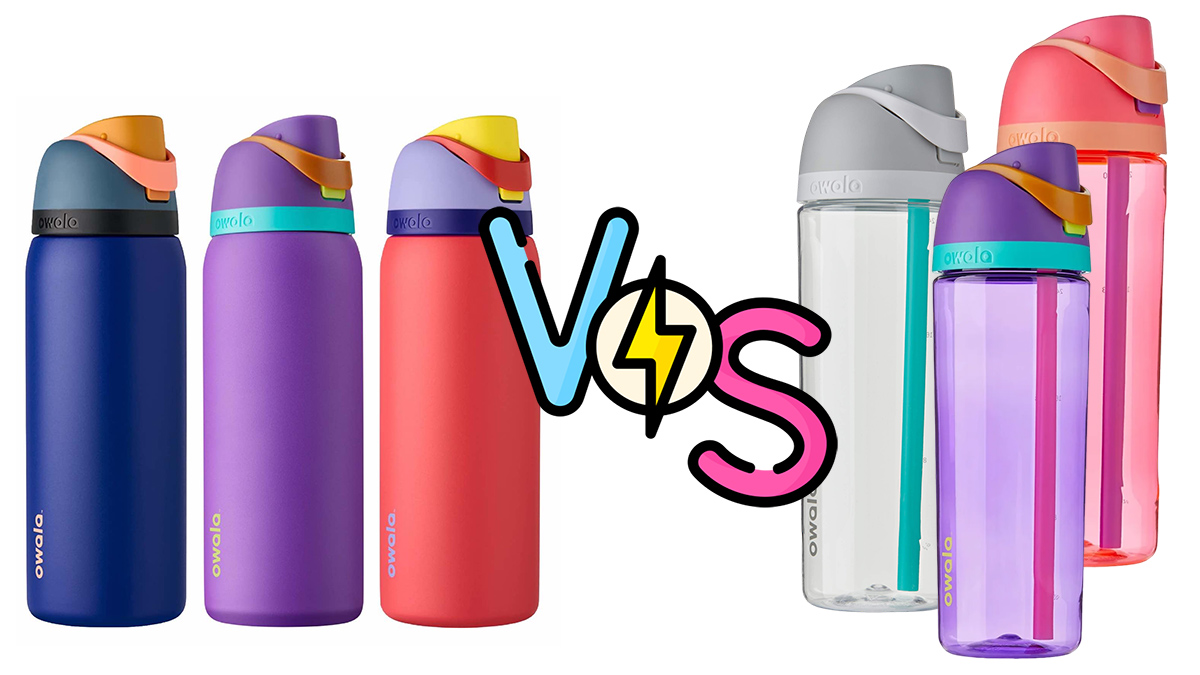
Owala water bottles are popular for their unique design and practical features. They come in various sizes and colors to suit different needs. These bottles focus on easy drinking and durability. Many users appreciate the spill-proof lids and the ergonomic shape that fits well in hands.
The bottles use high-quality materials that are BPA-free and safe for daily use. Their insulation helps keep drinks cold for hours. People often choose Owala for workouts, school, or office use. Understanding these bottles helps answer common questions about care and cleaning.
Design And Features
Owala bottles have a distinctive spout that makes drinking simple. The lids are designed to prevent leaks and spills. Most models include a built-in straw for easier sipping. The wide mouth opening allows quick filling and easy cleaning.
Materials And Durability
These bottles are made from BPA-free plastic and stainless steel. The materials resist dents and scratches. They are lightweight but strong enough for outdoor use. The insulation keeps drinks cold up to 24 hours or hot up to 12 hours.
Usage And Convenience
Owala bottles fit most cup holders and backpacks. The ergonomic shape makes them comfortable to carry. They are ideal for sports, travel, and everyday hydration. The easy-to-use lid helps avoid spills during movement.
Materials Used In Owala Bottles
Understanding the materials used in Owala water bottles helps you decide if they fit your lifestyle, especially when it comes to cleaning and durability. These bottles are designed with your health and convenience in mind, using materials that balance safety, strength, and ease of maintenance. Let’s break down what makes up an Owala bottle and how that impacts whether you can safely put it in the dishwasher.
Polypropylene And Bpa-free Plastics
Owala bottles primarily use polypropylene, a type of plastic known for its toughness and resistance to heat. This material is BPA-free, which means it doesn’t release harmful chemicals into your drinks. Because polypropylene can handle moderate heat, it generally stands up well to dishwasher cycles, but it’s important to check the specific bottle model for temperature limits.
Stainless Steel Components
Some Owala bottles feature stainless steel parts, especially in insulated models. Stainless steel is highly durable and resistant to rust, making it dishwasher safe in most cases. However, repeated dishwasher exposure can sometimes dull the finish or affect insulation over time, so hand washing might extend the life of these bottles.
Silicone Seals And Gaskets
To keep your water leak-proof, Owala includes silicone seals and gaskets in their bottles. Silicone is flexible and heat resistant, making it safe for dishwasher cleaning. Yet, these parts can wear out faster if exposed to high heat too often, so you might want to inspect and replace them periodically to maintain a tight seal.
Impact Of Materials On Dishwasher Safety
Each material plays a key role in whether your Owala bottle can go in the dishwasher. Plastics like polypropylene and silicone generally tolerate dishwasher heat, but repeated exposure might cause fading or warping. Stainless steel components handle dishwashing well but could lose their shine or insulation efficiency if washed too aggressively.
Have you noticed any changes in your bottle’s appearance or function after washing it in the dishwasher? Paying attention to these details can help you decide the best cleaning method and keep your bottle working like new for longer.
Dishwasher Safety Factors
Understanding dishwasher safety factors is key to keeping your Owala water bottle in great shape. Not all materials handle the heat and pressure inside a dishwasher the same way. Knowing what affects your bottle’s durability can help you decide the best cleaning method.
Material Composition And Heat Resistance
Owala bottles are often made from BPA-free plastics or stainless steel. Plastics can warp or degrade if exposed to high dishwasher temperatures. Stainless steel versions usually tolerate heat better but may still face issues with coatings or paint.
Have you noticed any changes in your bottle after washing it in the dishwasher? This could be due to the material reacting to the heat. Always check the manufacturer’s label for temperature limits before tossing your bottle in the dishwasher.
Design Complexity And Parts
Some Owala bottles come with intricate lids, seals, and straws that can trap water and soap residue. These parts may not get cleaned thoroughly or could get damaged during a dishwasher cycle. Taking apart these components before washing can improve cleanliness and protect the bottle.
Think about how often you disassemble your bottle when cleaning. Skipping this step might leave bacteria or soap behind, even if you use a dishwasher. Cleaning the smaller parts by hand can sometimes be more effective.
Dishwasher Placement And Cycle Selection
Where you place your Owala bottle inside the dishwasher matters. Positioning it on the top rack usually exposes it to less heat and water pressure, reducing damage risk. Also, selecting a gentle or eco-friendly cycle can help preserve your bottle’s integrity.
Have you tried adjusting your dishwasher settings for delicate items? Doing so might extend the life of your bottle and keep it looking new. Experiment with placement and cycles to find what works best for your cleaning routine.

Credit: www.canadiantire.ca
Owala Bottles And Dishwasher Compatibility
Owala water bottles are popular for their durable design and convenience. Many users want to know if these bottles can be safely cleaned in a dishwasher. Proper cleaning is important to keep the bottle fresh and free from bacteria.
Understanding the dishwasher compatibility of Owala bottles helps in maintaining their quality and lifespan. Not all parts of the bottle may be dishwasher safe. It is crucial to know which components can go in the dishwasher and which should be hand washed.
Owala Bottle Materials And Dishwasher Safety
Owala bottles are made from BPA-free plastic and stainless steel. Most BPA-free plastics can handle dishwasher heat. Stainless steel parts might not always be safe in the dishwasher. Heat and detergent can damage some materials.
Which Parts Of Owala Bottles Are Dishwasher Safe?
- The main bottle body is usually dishwasher safe.
- Removable lids and straws may need special care.
- Check the product manual for specific instructions on parts.
Best Practices For Cleaning Owala Bottles In A Dishwasher
- Place bottles on the top rack to avoid intense heat.
- Remove lids and wash them separately by hand.
- Use mild dishwasher detergent to prevent damage.
- Allow parts to air dry completely before reassembling.
Caring For Owala Bottles
Caring for Owala bottles helps keep them fresh and lasting longer. Proper cleaning removes odors and prevents stains. Regular care also protects the bottle’s materials and design.
Simple steps maintain the bottle’s quality and ensure safe use every day.
Cleaning Techniques
- Hand wash with warm, soapy water after each use.
- Use a bottle brush to reach all corners inside.
- Remove lids and separate parts for thorough cleaning.
- Rinse well to remove soap residues completely.
- Dry all parts before reassembling to avoid mold.
- Dishwasher use is possible but place bottles on top rack only.
- Avoid harsh cleaners or bleach to protect the bottle’s finish.
Avoiding Damage
- Do not use abrasive scrubbers that scratch the surface.
- Avoid boiling water which may warp the bottle or lid.
- Keep bottles away from freezing temperatures to prevent cracking.
- Do not microwave any parts to protect seals and plastics.
- Store bottles with lids off to allow air circulation.
- Check seals and parts regularly for wear and replace if needed.
Common Myths About Owala Bottles
Owala water bottles are popular for their design and durability. Many users have questions about their care, especially dishwasher safety. There are several myths about Owala bottles that cause confusion. Clearing these up helps users maintain their bottles better.
Owala Bottles Are Not Dishwasher Safe
Many believe Owala bottles cannot go in the dishwasher. This is not true. Most Owala bottles are made with materials that handle dishwasher heat well. The top rack of the dishwasher is usually safe for cleaning these bottles.
Dishwasher Use Will Damage The Bottle’s Seal
Some think dishwasher heat harms the bottle’s seal. Owala seals are designed to resist heat and water. Proper placement in the dishwasher avoids damage. Hand washing may be gentler but is not always necessary.
Owala Bottles Retain Bad Odors After Dishwasher Cleaning
Users worry that dishwasher cleaning causes odors. Owala bottles have materials that resist smells. Proper drying after washing keeps bottles fresh. Avoid leaving bottles closed when wet to prevent odors.
Dishwasher Cleaning Fades Bottle Colors
There is a myth that dishwasher use fades bottle colors. Owala bottles use colorfast coatings. Colors usually stay vibrant after many washes. Gentle detergent and cooler dishwasher settings help maintain appearance.
Alternatives To Dishwashing
Owala water bottles may not always be suitable for dishwashers. Many users seek other ways to keep their bottles clean. Alternatives to dishwashing offer simple and safe options. These methods protect the bottle’s quality and ensure hygiene.
Manual Cleaning Tips
Hand washing is gentle and effective for Owala bottles. Use warm water and mild soap to clean. A soft brush or sponge helps reach inside the bottle. Pay extra attention to the lid and straw parts. Rinse thoroughly to remove all soap. Let the bottle air dry completely before using again. Avoid harsh scrubbing that can damage the surface.
Eco-friendly Cleaning Options
Natural cleaning agents work well and protect the environment. Baking soda and vinegar are safe and cheap choices. Mix baking soda with water to form a paste. Apply it inside the bottle and scrub gently. Rinse with vinegar to remove odors and kill germs. Lemon juice also freshens bottles naturally. These options avoid harmful chemicals and keep bottles fresh.

Credit: www.amazon.ca
Future Innovations In Owala Design
The future of Owala water bottles looks promising, with continuous improvements aimed at making your hydration experience easier and more enjoyable. As you rely on these bottles daily, you might wonder how upcoming designs will address current limitations, especially regarding cleaning and durability. Let’s dive into what Owala has in store for its next-generation bottles and how these changes could impact your routine.
Enhanced Dishwasher Compatibility
Many users appreciate the convenience of dishwasher-safe bottles, but some Owala models have restrictions. Future designs are expected to use materials that can withstand higher dishwasher temperatures without warping or fading.
This means you won’t have to spend extra time hand-washing, saving you effort and ensuring a more hygienic bottle. Imagine just placing your bottle in the dishwasher and forgetting about it, without worrying about damage.
Improved Lid And Seal Designs
The lid is a crucial part of your water bottle, especially for leak prevention and easy cleaning. Owala is exploring simpler lid mechanisms that break down easily for thorough washing, whether by hand or in the dishwasher.
Better seals will also reduce the chances of mold buildup, a common concern for anyone who uses their bottle daily. Have you ever struggled with cleaning the tiny nooks in your bottle’s lid? Future designs could solve that problem completely.
Eco-friendly And Durable Materials
Durability is key for a bottle that travels with you everywhere. Owala is moving toward more eco-friendly materials that don’t sacrifice strength or dishwasher safety.
These materials aim to last longer and resist stains and odors, so your bottle stays fresh and safe to clean regularly. How much more convenient would it be to own a bottle that never feels grimy, no matter how often you use it?
Credit: www.waterbottle.tech
Frequently Asked Questions
Are Owala Water Bottles Dishwasher Safe?
Most Owala water bottles are dishwasher safe, but check the label. Use the top rack to avoid heat damage. Hand washing is recommended for longevity.
Can Dishwasher Heat Damage Owala Water Bottles?
Yes, excessive heat in dishwashers can warp or damage Owala bottles. Use the top rack and low heat settings to minimize risk.
How To Clean Owala Bottles Without A Dishwasher?
Use warm soapy water and a bottle brush to clean. Rinse thoroughly and air dry to maintain freshness and durability.
Does Dishwasher Cleaning Affect Owala Bottle Lifespan?
Frequent dishwasher use may reduce Owala bottle lifespan by weakening seals. Hand washing helps preserve the bottle’s quality and performance.
Conclusion
Owala water bottles are mostly dishwasher safe, but check the label first. Some parts, like lids, may need hand washing. Using the dishwasher can save time and keep your bottle clean. Avoid high heat settings to protect the bottle’s materials.
Taking care of your bottle helps it last longer. Clean bottles mean healthier drinking every day. Simple steps keep your Owala bottle fresh and safe. Choose the cleaning method that fits your routine best.

Jaxon Wilder is a tech enthusiast and contributor at ElectroDoz, where he dives into the latest trends in electronics and smart gadgets. With a sharp eye for innovation and hands-on testing, Jaxon brings readers practical reviews, tips, and insights on everything from everyday tech accessories to advanced devices. His goal is to make technology simpler, smarter, and more enjoyable for everyone.


