
How Can Drones Improve Security: Transforming Safety Efforts
Have you ever wondered how drones could make your home or business safer? Imagine having an eye in the sky that keeps watch 24/7, spotting trouble before it reaches you.
Drones are changing the way we think about security, offering fast, smart, and cost-effective protection. You’ll discover exactly how these flying devices can boost your security, giving you peace of mind like never before. Keep reading to find out how drones can become your new security partner.
Drones In Modern Security
Drones have become essential tools in modern security systems. They provide a fast and flexible way to monitor large areas. These flying devices help security teams respond quickly to potential threats. They can access hard-to-reach places safely and efficiently.
Many security companies now use drones for real-time surveillance. Drones equipped with cameras capture high-quality video from the sky. This helps detect suspicious activities early and prevents crimes before they happen. The technology also reduces the need for human patrols in dangerous zones.
Enhanced Surveillance Capabilities
Drones offer a wide view that traditional cameras cannot match. They can fly over buildings, parks, and borders to capture detailed images. Night vision and thermal cameras allow drones to see in low light or darkness. This improves security during night hours or poor weather conditions.
Rapid Response And Flexibility
Drones can reach any location faster than ground vehicles. They provide real-time data to security teams on the ground. This quick access helps teams act immediately to stop threats. Drones can also change their flight path instantly for better coverage.
Cost-effective Security Solution
Using drones reduces the need for many security personnel. They lower costs by cutting down on manpower and equipment. Maintenance and operation of drones are often cheaper than traditional methods. This makes drones a practical choice for many businesses.
Integration With Other Technologies
Drones work well with other security tools like alarms and sensors. They can be programmed to follow specific routes or respond to alerts. Integration allows for automated security checks and faster problem detection. This creates a stronger and smarter security system.
Surveillance And Monitoring
Surveillance and monitoring are crucial for maintaining security in any environment. Drones offer a unique advantage by providing a bird’s-eye view, allowing you to keep an eye on large areas without physically being present. Their ability to access hard-to-reach spots makes them indispensable tools for security teams.
Real-time Video Streaming
One of the biggest benefits drones bring to security is real-time video streaming. You can watch live footage from anywhere, making it easier to respond quickly to suspicious activity.
Imagine monitoring a construction site remotely and spotting unauthorized personnel immediately. This instant feedback helps prevent theft or vandalism before it escalates.
Enhanced Coverage Areas
Drones can cover vast areas much faster than on-foot patrols or fixed cameras. This means fewer blind spots and more comprehensive surveillance.
Whether it’s a large warehouse, an event venue, or a remote border, drones extend your security reach efficiently. Have you ever considered how much ground you might be missing without aerial views?
Night Vision Capabilities
Security threats don’t stop when the sun goes down. Drones equipped with night vision cameras allow you to monitor areas even in complete darkness.
This capability is especially useful for nighttime patrols or monitoring dimly lit locations. With night vision, you gain a clear advantage in spotting intruders or unusual activity after hours.
Rapid Response And Incident Management
Drones play a vital role in rapid response and incident management. They provide fast aerial views and real-time data. This helps security teams act quickly and make better decisions. Drones reach places that may be hard for people or vehicles to access. Their speed and flexibility improve the overall safety during emergencies.
Quick Deployment In Emergencies
Drones can be launched within seconds. They fly directly to the incident site. This cuts down the time needed for manual checks. Operators get live video feeds instantly. This helps in spotting dangers and assessing damage fast. Quick deployment limits risks and controls the situation early.
Assisting First Responders
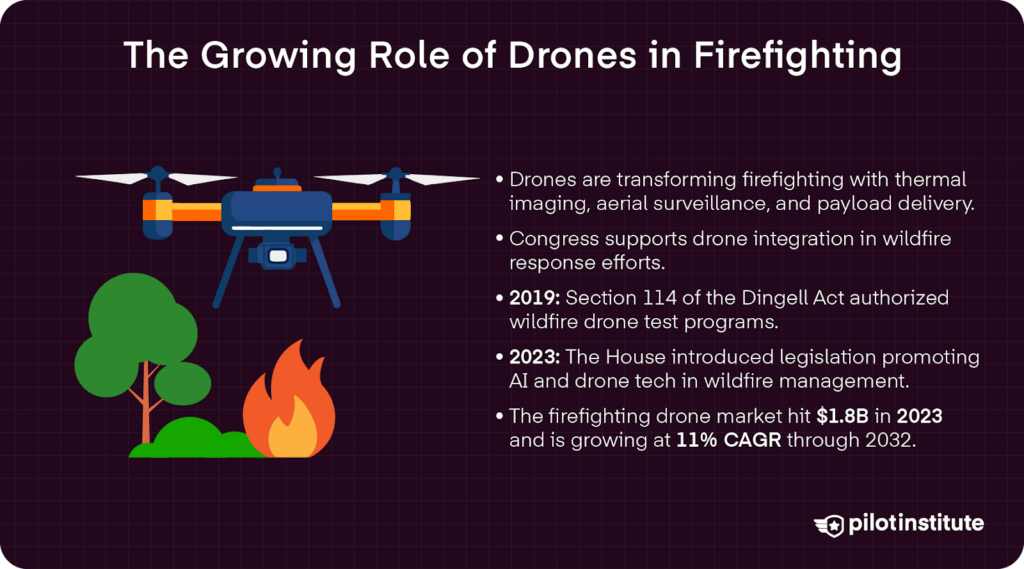
Drones support firefighters, police, and medical teams. They provide overhead views that show the full scene. This helps responders plan their moves carefully. Drones can carry small supplies like first aid kits. They also send alerts about hazards such as gas leaks or fires. This keeps first responders safer and more effective.
Traffic And Crowd Control
Drones monitor traffic jams and large crowds from above. They spot bottlenecks and blockages quickly. This information helps direct vehicles and people smoothly. Security teams use drone footage to prevent chaos and accidents. Real-time updates ensure better control during events or emergencies.
Credit: pilotinstitute.com
Perimeter Security And Intrusion Detection
Perimeter security and intrusion detection are vital parts of any safety plan. Drones add a fresh layer of protection by monitoring large areas quickly and efficiently. They spot threats early and help stop intruders before damage occurs.
Drones cover ground faster than guards or cameras alone. They keep watch over fences, gates, and other vulnerable spots. This constant surveillance reduces blind spots and raises overall security.
Automated Patrols
Drones follow preset routes around the property. They fly at scheduled times or continuously, day and night. This routine patrol helps spot unusual activity early. Drones can cover large areas without breaks or fatigue.
They record video and send live feeds to security teams. Patrols can adjust automatically based on detected risks. This flexibility allows quick focus on suspicious zones.
Intruder Alert Systems
Drones use sensors and cameras to detect movement or heat signatures. When an intruder is found, the drone sends instant alerts. This fast notification lets security act immediately.
Alerts can include video clips or images for quick assessment. Some drones also use loudspeakers to warn intruders. This may scare off trespassers before they get too close.
Integration With Existing Security Infrastructure
Drones work well with security cameras, alarms, and control rooms. They provide extra eyes and reach hard-to-see places. Data from drones merges with other systems for a full security picture.
This integration helps teams respond faster and smarter. It also makes tracking and reporting incidents easier. Drones become a valuable part of any security setup.
Disaster Management And Recovery
Disaster management and recovery often require quick, accurate information and swift action. Drones offer a powerful way to meet these needs by providing aerial views and delivering resources where they are needed most. Their ability to operate in dangerous or hard-to-reach areas can make a real difference in saving lives and speeding up recovery.
Assessing Damage Efficiently
Drones can fly over disaster zones and capture detailed images and videos in minutes. This rapid assessment helps you understand the full scope of damage without putting anyone at risk.
Unlike traditional methods, drones can cover large areas quickly and provide real-time data. This allows emergency teams to prioritize their efforts effectively and allocate resources where they are needed most.
Supporting Rescue Operations
During rescue missions, drones can locate stranded or injured people by using thermal cameras and live video feeds. This capability is especially useful in areas where ground access is difficult or dangerous.
By guiding rescue teams directly to victims, drones reduce search times and increase the chances of successful rescues. Have you considered how this technology could improve your local emergency response?
Delivering Essential Supplies
Drones can carry small but critical supplies such as medicine, water, or communication devices to isolated survivors. This delivery method can bypass damaged roads or blocked routes.
In urgent situations, these quick deliveries can mean the difference between life and death. Imagine how much faster help could arrive if drones were part of your disaster preparedness plan.
Privacy Concerns And Ethical Considerations
Drones offer many benefits for security, but they raise important privacy and ethical questions. Using drones means collecting data from public and private spaces. This can affect people’s right to privacy and freedom. Ethical concerns also arise about how this data is used and who controls it. Understanding these issues is key to using drones responsibly and fairly in security roles.
Balancing Security And Privacy
Security improves with drones watching large areas quickly. Yet, constant surveillance can invade personal privacy. Finding a balance is essential. Security teams must limit data collection to necessary information. Avoiding overreach helps protect individuals’ rights. Transparency about drone use builds trust. Clear rules on where and when drones fly help maintain privacy.
Regulatory Frameworks
Governments create laws to guide drone use. These laws protect privacy and define drone operations. Regulations may include:
- Restrictions on flying over private property
- Limits on video and audio recording
- Data storage and sharing rules
- Requirements for operator training and licensing
Strong frameworks ensure drones enhance security without harming privacy. Regular updates keep rules relevant to new technology.
Public Perception And Acceptance
People’s views affect drone use in security. Some feel safer with drone patrols. Others worry about spying and data misuse. Public concerns often focus on:
- How much drones watch daily life
- Who controls the collected data
- Possible errors or abuses
Engaging communities and explaining drone benefits and limits can improve acceptance. Listening to public feedback helps shape respectful drone policies.
Future Of Drones In Security
The future of drones in security holds great promise. These flying devices will become smarter, faster, and more reliable. Their ability to monitor large areas and react quickly will improve safety in many places.
Security teams will benefit from better tools to prevent crimes and respond to threats. Drones will work alongside humans, enhancing their capabilities and reducing risks.
Advancements In Drone Technology
New drones will have improved sensors and cameras. These upgrades will help spot unusual activities clearly, even at night. Artificial intelligence will allow drones to learn and adapt to different situations.
Battery life will increase, letting drones fly longer without needing a recharge. Some drones will be able to carry small security equipment or deliver alerts automatically.
Potential Applications And Innovations
Drones will patrol borders, construction sites, and public events more efficiently. They will assist in crowd control and emergency response, providing live video feeds.
Innovations may include drones that can detect harmful chemicals or listen for specific sounds. Some models might work in swarms, covering large areas together.
- Real-time surveillance in remote areas
- Automated threat detection
- Integration with security cameras and alarms
- Delivery of emergency supplies or first aid
Challenges And Opportunities Ahead
Privacy concerns will need careful handling to avoid misuse. Regulations will evolve to balance safety and personal rights.
Technical challenges like signal interference and weather conditions must be solved. Training security personnel to use drones effectively is crucial.
The opportunities include safer communities and faster incident responses. As technology improves, drones will become a vital part of security systems worldwide.

Credit: www.securitymagazine.com
Credit: www.securitymagazine.com
Frequently Asked Questions
How Do Drones Enhance Perimeter Security?
Drones provide real-time aerial surveillance, covering large areas quickly. They detect intrusions early, reducing response time. Drones can access hard-to-reach spots, improving overall perimeter monitoring efficiency and safety.
Can Drones Reduce Human Security Costs?
Yes, drones lower costs by minimizing the need for physical patrols. They automate routine surveillance, allowing staff to focus on critical tasks. This reduces manpower expenses while maintaining high security standards.
What Technology Do Security Drones Use?
Security drones use cameras, infrared sensors, and GPS for accurate monitoring. They stream live video and use AI for threat detection. This technology ensures constant, reliable surveillance in various conditions.
Are Drones Effective For Crowd Monitoring?
Drones offer a bird’s-eye view, managing large crowds efficiently. They identify potential risks and help coordinate responses quickly. This capability enhances safety during events and public gatherings.
Conclusion
Drones help keep places safer with their quick views. They watch hard-to-reach areas easily and spot problems early. Using drones saves time and lowers risks for security teams. Their cameras and sensors catch details people might miss. Drones work day and night, giving constant protection.
Many industries use drones to improve their safety plans. The future will bring even smarter drones for security. Simple, strong, and fast—drones are a useful tool for safety.

Callen Ridgeway is a senior writer at ElectroDoz, where he shares his expertise on the latest in drones, webcams, cameras, and a wide range of cutting-edge electronic devices. With a passion for exploring emerging tech and breaking it down into practical insights, Callen helps readers make smarter choices when it comes to gadgets and gear. When he’s not testing the newest electronics, he’s busy keeping up with the innovations shaping the future of consumer technology.