
Can You Shoot a Drone Over Your Property? Legal Facts Revealed
Can you shoot a drone flying over your property? It’s a question many homeowners wonder about when a drone buzzes overhead.
You might feel uneasy or even threatened by a stranger’s device invading your space. But before you reach for a camera or worse, a weapon, it’s important to understand what the law says and what your rights really are. Keep reading to find out when, if ever, you can take action—and how to protect your privacy without crossing the line.
This guide will clear up the confusion and help you handle drones safely and legally.
Drone Laws And Regulations
Flying a drone over your property might seem simple. Yet, drone laws and regulations set clear rules. These laws protect privacy, safety, and airspace rights. Knowing these rules keeps you legal and responsible.
Federal Aviation Administration (faa) Rules
The FAA controls most drone flights in the United States. It requires drones to stay below 400 feet. You must keep your drone within sight at all times. Commercial drone pilots need special FAA certification. Recreational flyers must follow safety guidelines too.
Privacy Laws And Respecting Neighbors
Privacy laws differ by state and local areas. Avoid flying over neighbors’ yards to respect their privacy. Recording or taking photos without permission can lead to legal trouble. Always check local laws before flying near homes or private spaces.
Local Ordinances And Restrictions
Cities and towns may have extra rules about drones. Some areas ban drones in parks or near schools. Check local government websites for specific drone rules. Failing to follow local laws can result in fines or drone confiscation.
Restricted Airspace And No-fly Zones
Some places are off-limits for drones. Airports, military bases, and government buildings often ban drone flights. Use apps or maps to see no-fly zones near your property. Flying in these areas can cause serious penalties.
Safe Flying Practices
- Always fly below 400 feet.
- Keep your drone in sight.
- Respect other people’s privacy.
- Follow FAA and local rules.
- Check for no-fly zones before flights.
Property Rights And Airspace
Understanding property rights and airspace is essential before flying a drone over your land. Property ownership doesn’t automatically give you unlimited control over the air above it. The relationship between your land and the airspace above is regulated by laws that balance your rights with public safety and air traffic rules.
What Are Your Airspace Rights?
Your property rights generally extend only to the immediate airspace necessary for the use and enjoyment of your land. This means you can expect privacy and control over low altitudes, like where a tree might grow or where you might hang a swing. However, higher altitudes are usually considered navigable airspace controlled by the government.
Have you noticed drones flying at higher altitudes near your home? They might be operating legally, as the airspace above a certain height is open to public use, including aviation and drone flights.
Legal Restrictions On Flying Drones Over Your Property
Even if a drone flies over your land, it’s not always illegal. Federal Aviation Administration (FAA) rules allow drones to operate in navigable airspace, which can include the airspace above your property. Yet, some state and local laws might give you protections against invasive drone flights.
Consider how you would feel if a drone hovered over your backyard for an extended time. Would that feel like an invasion of privacy? Some states address this by restricting drones from loitering or capturing images without consent.
How To Protect Your Property From Unwanted Drone Flights
If you’re concerned about drones flying over your home, start by checking local regulations. Some areas require drone operators to keep a certain distance from private property or prohibit flying below specific altitudes. You can also communicate directly with neighbors or drone pilots if you spot suspicious activity.
Technology can help too. Devices that detect drones or alert you to their presence can give you control over your airspace. But always remember, interfering with a drone physically or electronically may break laws, so seek legal advice before taking action.
Legal Consequences Of Shooting Drones
Shooting a drone flying over your property might seem like a quick fix to protect your privacy. However, the legal consequences of taking such action can be serious and costly. Understanding these consequences is crucial before you decide to handle the situation yourself.
Criminal Charges And Penalties
Destroying or damaging a drone can lead to criminal charges such as vandalism or destruction of property. These charges may result in fines, probation, or even jail time depending on the severity and local laws.
In some areas, drones are protected under federal laws, which means shooting one down could escalate the matter to a federal offense. Have you considered how a moment of frustration could turn into a criminal record?
Civil Liability And Lawsuits
If you shoot a drone, the owner might sue you for the cost of the drone and any related damages. Civil lawsuits can demand compensation that goes beyond the drone’s value, including emotional distress or loss of business.
Imagine facing a lawsuit that drains your savings just because you wanted to protect your privacy. Would you be ready to cover those costs?
Federal Aviation Regulations
In many countries, drones are regulated by federal aviation authorities, which prohibit unauthorized interference. Shooting a drone may violate these regulations, resulting in hefty fines or other penalties.
These rules exist to ensure safe airspace for everyone, but they also protect drone operators from aggressive actions. Are you aware of the specific regulations in your area?
Alternatives To Shooting A Drone
Instead of taking matters into your own hands, consider legal options like contacting law enforcement or using anti-drone technology approved by authorities. These approaches can help you address your concerns without risking legal trouble.
What non-violent steps can you take to protect your privacy without breaking the law?
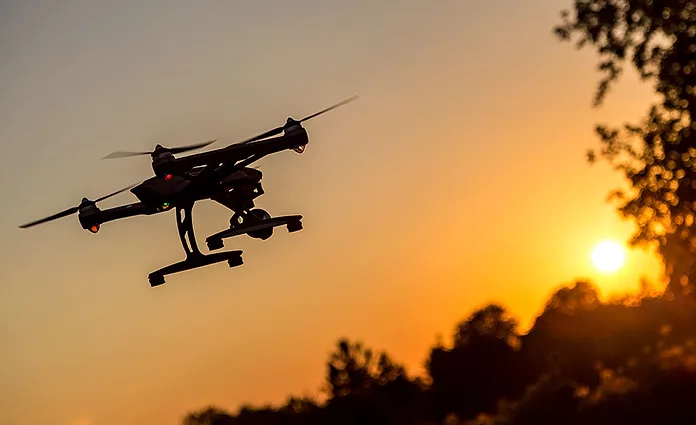
Credit: www.securitymagazine.com
Alternatives To Shooting Drones
Feeling frustrated by a drone buzzing over your property is natural, but shooting it down can lead to serious legal trouble and safety risks. Thankfully, there are smarter ways to handle the situation that protect your rights and avoid damage. Let’s look at some alternatives that give you control without crossing the line.
Communicate With The Drone Operator
Sometimes, the simplest solution is a direct conversation. If you can identify the drone operator, reaching out calmly and explaining your concerns often resolves the issue quickly.
Many drone users aren’t aware they are invading privacy or causing discomfort. A polite request to avoid flying over your property can change their behavior without conflict.
Use Technology To Track The Drone
There are apps and devices designed to detect drones nearby. These tools provide real-time information about drone locations and flight paths.
By knowing where the drone is coming from, you can better understand whether it poses a genuine threat or if it’s simply passing by. This knowledge can guide your next steps.
Install Physical Barriers
Adding physical barriers like fences or netting can deter drones from flying low over your property. Although not foolproof, these measures make it less attractive or practical for drones to hover close.
Some homeowners have successfully used tall trees or wires to create a no-fly zone around sensitive areas. It’s a proactive way to protect your space without confrontation.
Report To Local Authorities
If a drone invades your privacy or causes safety concerns, reporting it to local authorities is a responsible move. Many regions have specific laws about drone flights and privacy violations.
Authorities can investigate and take action if necessary. Keeping a record of incidents, including videos or photos, strengthens your case.
Use Drone Jammer Devices Legally
Drone jammers disrupt drone signals, forcing them to land or return to the operator. However, their use is heavily regulated in many countries.
Before considering this option, check local laws to avoid penalties. When legal, a jammer can be a powerful tool to protect your property without causing physical harm.
Privacy Concerns With Drones
Drones flying over your property can raise real privacy concerns. You might wonder if your personal space is being invaded without your consent. Understanding these concerns helps you protect your privacy and respond appropriately when drones are nearby.
What Counts As A Privacy Violation With Drones?
Privacy violations happen when drones capture images, videos, or audio without your permission. This could be from flying too close to your home or recording in private areas like backyards or windows. Even if the drone isn’t physically on your property, the data it collects can still invade your privacy.
How Can You Identify Suspicious Drone Activity?
Notice if a drone hovers repeatedly or lingers near your property for long periods. Pay attention to unusual flight paths that focus on your home or private areas. If you see drones with cameras pointed directly at your windows, it’s a strong sign your privacy might be at risk.
Steps To Take If You Feel Your Privacy Is Invaded
- Document the drone’s activity by taking photos or videos with timestamps.
- Speak to the drone operator if you can identify them and express your concerns.
- Report persistent or threatening drone use to local authorities or the FAA.
Have you ever felt uncomfortable because of a drone flying nearby? Your response can help set boundaries and protect your space.
How Privacy Laws Affect Drone Use Over Private Property
Privacy laws vary by location but generally protect you from unauthorized surveillance. Some states have specific rules against filming private property without consent. However, public airspace rights mean drone operators can legally fly over your property in many cases.
Knowing your local laws empowers you to act smartly and confidently when drones are involved.
Credit: southernmarylandlaw.com
Cases And Precedents
Understanding legal cases and precedents related to flying drones over private property can help you navigate this tricky area with confidence. Courts have ruled on situations where drone flights clashed with property rights, privacy concerns, and airspace laws. These decisions offer practical insights into what you can and cannot do.
Legal Boundaries Set By Landmark Cases
Several landmark cases have established limits on drone flights above private land. In one case, a court ruled that flying a drone below 400 feet over someone’s backyard without permission constituted a trespass. This decision highlighted that property owners have some control over the immediate airspace above their land.
However, another case showed that drones flying at higher altitudes, considered navigable airspace, were generally allowed. The distinction between navigable airspace and immediate airspace is crucial and often depends on how low the drone is flying.
Privacy Concerns And Court Decisions
Privacy is a hot topic when drones enter private property. Courts have often sided with homeowners when drones captured images or videos inside fenced yards or through windows. These rulings remind you to respect privacy boundaries and avoid using drones for surveillance without consent.
One case involved a neighbor repeatedly flying a drone to monitor private activities. The court issued a restraining order, emphasizing that persistent drone flights can be considered harassment. Think about whether your drone use could cross this line.
Faa Regulations And Their Impact On Property Rights
The Federal Aviation Administration (FAA) regulates airspace but doesn’t grant drone operators unlimited rights over private land. FAA rules allow drones to fly in navigable airspace but don’t override property owners’ rights below that.
Cases where FAA guidelines clashed with property rights often ended with courts balancing federal regulations and local laws. This shows you need to consider both federal rules and local ordinances before flying.
How These Precedents Affect Your Drone Use
- You should avoid flying your drone too low over neighbors’ yards without permission.
- Respect privacy by not filming through windows or in fenced areas.
- Know that FAA rules protect higher altitude flights but don’t give free rein over private property.
- Be aware that repeated or intrusive flights can lead to legal action.
Have you thought about how your drone flights might affect your neighbors or cross legal lines? The cases show that understanding these boundaries can save you from disputes and fines.
Advocacy And Legislative Efforts
Advocacy and legislative efforts play a key role in shaping the rules around flying drones over private property. These efforts help balance technology use with privacy and safety concerns. Understanding these ongoing changes can empower you to protect your rights while respecting others’.
Current Laws And Their Impact On Property Rights
Drone regulations vary widely depending on where you live. Some laws allow drones to fly over private property, considering airspace as public, while others give property owners more control. Knowing the specifics of your local laws helps you understand what is allowed and what isn’t.
Take, for example, a situation where a neighbor’s drone constantly flies over your backyard. Without clear legal boundaries, your privacy may be at risk. This is why many advocacy groups push for stronger property rights related to drone flights.
How Advocacy Groups Influence Drone Legislation
Groups focused on privacy, safety, and technology use actively lobby lawmakers to create fair drone laws. They gather public opinion, provide expert advice, and highlight cases where drone use has caused harm or discomfort. Their work often leads to new rules that protect homeowners.
You might wonder how these groups get heard. They organize community meetings, write petitions, and work with media to raise awareness. Their efforts have led to stricter rules on drone operations near private homes in several states.
What You Can Do To Support Balanced Drone Policies
Getting involved in advocacy doesn’t require you to be an expert. You can attend local council meetings or join online forums discussing drone laws. Sharing your experience with drones flying over your property adds valuable insight to the conversation.
Have you thought about contacting your representatives? Expressing your concerns and suggesting reasonable limits on drone flights can influence legislation. Staying informed and vocal helps create policies that respect both drone users and property owners.
Future Of Drone Regulations
The future of drone regulations is shaping up to be more structured and technology-driven. As drones become more common over private properties, lawmakers and tech developers are working together to balance safety, privacy, and innovation. Understanding these upcoming changes can help you stay ahead and use your drone responsibly.
Enhanced Privacy Protections
New rules will likely strengthen privacy rights for homeowners. You might see laws that restrict flying drones over private property without permission, aiming to prevent unwanted surveillance.
This means you could have more control over what happens in your airspace. Would you feel more secure knowing your privacy is better protected?
Mandatory Drone Identification Systems
Expect widespread adoption of digital identification for drones. These systems let authorities and property owners know who is flying a drone nearby.
This tech helps track drones and hold operators accountable. Imagine being able to check if a drone flying over your yard is registered and authorized.
Geofencing And Flight Restrictions
Geofencing technology will become more precise, automatically preventing drones from entering restricted zones. These zones could include private properties or sensitive areas.
This feature reduces conflicts and potential accidents. How would automatic flight limits change how you use your drone around your home?
Increased Enforcement And Penalties
Regulatory bodies plan to enforce rules more strictly with heavier penalties for violations. This approach aims to discourage reckless drone use over private spaces.
For drone owners, this means staying informed and compliant is more important than ever. Are you prepared to follow tighter rules to protect your property and others?
Integration With Smart Home Technology
Future drones might connect with smart home systems to improve security and management. Your home could detect and communicate with drones in real time.
This integration offers practical benefits like alerting you to unknown drones overhead. Would you welcome a system that automatically monitors drones around your property?

Credit: m.youtube.com
Frequently Asked Questions
Can I Legally Fly A Drone Over My Own Property?
Yes, you can fly a drone over your property. However, you must follow local drone regulations and FAA rules. Respect privacy and avoid flying near airports or crowded areas to ensure safety and legality.
Do I Need Permission To Fly A Drone Above My Land?
You generally do not need permission if you own the land. Still, check local laws as some areas have specific rules about drone flights and privacy concerns.
Are There Height Limits For Flying Drones Over Property?
Yes, most countries set maximum altitude limits, often around 400 feet. Staying below this limit helps avoid interference with manned aircraft and ensures safe drone operation.
Can Neighbors Complain About Drones Flying Over Their Property?
Neighbors can raise privacy or noise concerns. It’s best to inform them and avoid flying directly over private spaces without consent to maintain good relations and follow laws.
Conclusion
Flying a drone over your property brings both fun and rules. You must follow local laws to avoid trouble. Respect neighbors’ privacy and avoid flying too close. Stay safe by keeping your drone in sight at all times. Knowing your rights helps you enjoy your drone responsibly.
Remember, safety and respect make drone flying enjoyable for everyone.

Callen Ridgeway is a senior writer at ElectroDoz, where he shares his expertise on the latest in drones, webcams, cameras, and a wide range of cutting-edge electronic devices. With a passion for exploring emerging tech and breaking it down into practical insights, Callen helps readers make smarter choices when it comes to gadgets and gear. When he’s not testing the newest electronics, he’s busy keeping up with the innovations shaping the future of consumer technology.