
Does Fitbit Track Calories Burned: Uncover the Truth
Are you curious about how effective your Fitbit is in tracking calories burned? If you’re striving to reach your fitness goals or simply want to understand your body’s energy usage better, knowing the accuracy and function of your Fitbit is crucial.
You might wonder if it’s really helping you get the insights you need to make informed decisions about your health and exercise routine. Imagine having a clear picture of your calorie expenditure, empowering you to adjust your workouts or diet with confidence.
We’ll delve into how Fitbit tracks calories burned, giving you the information you need to maximize your fitness efforts and achieve your wellness aspirations. Ready to unlock the full potential of your Fitbit? Keep reading to find out more.
Fitbit’s Calorie Tracking Technology
Fitbit uses special sensorsto track your body’s movements. These sensors know when you walk, run, or rest. They send this data to Fitbit’s algorithms. Algorithms are like smart computer programs. They help calculate the caloriesyou burn. This process helps you see how active you are each day. It’s like having a tiny coach on your wrist.
Fitbit gets data from different places. It uses your age, weight, and height. This information is combined with heart ratedata. Your daily steps and activity levels are also used. Together, these data sources provide an estimate of calories burned. It’s a simple way to understand your energy use. The more accurate the data, the better the estimate.

Credit: www.androidauthority.com
Accuracy Of Calorie Tracking
Fitbit tracks calories burned using sensors. These sensors measure heart rate and movement. The device uses algorithms to estimate calories. The accuracy depends on several factors affecting precision. Personal information like age, weight, and height plays a role. Heart rate monitoring is key for precise calorie tracking. External factors like skin type can affect sensor readings. Calibration is necessary for better accuracy.
Factors Affecting Precision
- Personal detailsimpact tracking.
- Heart ratemonitoring is crucial.
- Skin typecan alter readings.
- Calibrationimproves accuracy.
Comparisons With Other Devices
Fitbit’s accuracy can vary compared to other devices. Different brands use different methods. Some devices may offer more precise readings. Others might use varied algorithms for tracking. Comparing devices helps understand differences in readings. Fitbit provides a user-friendly interface. Other devices may have advanced features. Each brand has unique strengths and weaknesses. Choose based on your needs and preferences.
User Experience And Feedback
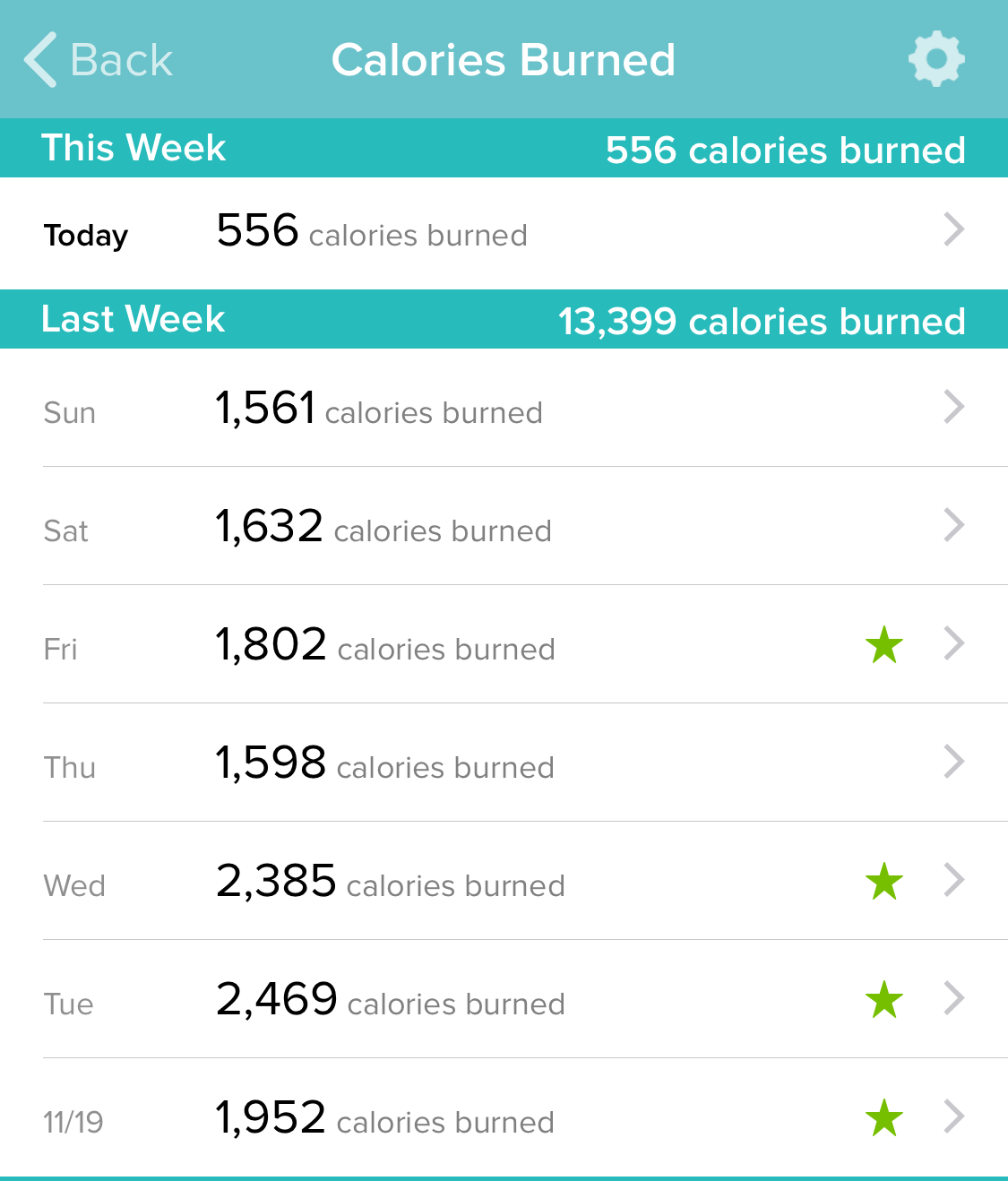
Fitbit effectively tracks calories burned by monitoring heart rate, steps, and activity levels. Users find the feedback helpful for managing fitness goals and understanding daily energy expenditure. The device offers an intuitive experience, displaying easy-to-read data for users.
Common User Concerns
Many users wonder about the accuracy of calories burnedtracking. They often ask if the numbers are correct. Some users feel the device overestimates calories burned. Others think it might underestimate. These concerns make people question the reliabilityof the data. Users also worry about battery life. They hope it lasts all day. Some complain about the need to charge often. Many want more customizablefeatures. They wish for easier navigation. Some find the app confusing. They hope for better app updates.
Testimonials And Reviews
One user said the device helped track their fitness goals. They liked seeing calories burned. Another user found the device easy to wear. They enjoyed tracking steps and heart rate. Some users felt disappointed. They expected more features. Reviews often mention the easy setup. Users appreciate the sleek design. Some reviews highlight the helpful customer service. Many users recommend it for beginners. They find it user-friendly. Others are not so sure. They feel improvements are needed.
Enhancing Calorie Tracking
Choose the right Fitbit model for accurate tracking. Some models have advanced sensors. Wear your Fitbit correctly. Make sure it fits snugly on your wrist. Update your personal data regularly. Enter your weight, height, and age correctly. These details help in better calculations. Keep your device clean. Dirty sensors can affect accuracy.
Use fitness apps for better tracking. Many apps connect with Fitbit easily. Apps like MyFitnessPal can sync with your device. They help track food intake and exercise. This provides a full picture of calorie burn. Follow app instructions for smooth integration. Check app permissions for data sharing. This ensures your data stays safe.
Future Of Calorie Tracking In Wearables
Wearable technology is evolving fast. Brands are adding new features. Advanced sensors detect physical activity better. These sensors provide accurate data. Heart rate monitoring is improving, too. This helps track calories burned more precisely.
Artificial Intelligence plays a big role. AI learns user habits. It improves calorie tracking. Machine learning adapts to different body types. This makes tracking personalized.
New trends aim for user comfort. Devices are becoming smaller. They are more lightweight. Battery life is getting longer. Users can wear them all day without worry. Smartphone integration enhances user experience. Apps provide detailed feedback.
Potential improvements focus on accuracy. Data privacy is crucial. Wearables must protect user information. Future devices will likely improve this area. User-friendly interfaces are important. They make tracking easy for everyone.
:max_bytes(150000):strip_icc()/how-does-fitbit-calculate-calories-01-5fba00a0504f4f7aaf14fa4ce91678c8.jpg)
Credit: www.lifewire.com
Credit: community.fitbit.com
Frequently Asked Questions
How Does Fitbit Calculate Calories Burned?
Fitbit calculates calories burned using your basal metabolic rate (BMR) and activity level. BMR is based on your age, gender, weight, and height. The device also tracks your movement and heart rate to provide more accurate results. This combination helps estimate the total calories burned throughout the day.
Does Fitbit Track Calories Burned Accurately?
Fitbit provides a reasonable estimate of calories burned. It uses sensors and algorithms to track your movements and heart rate. While not 100% accurate, it offers a useful approximation. Variations in body composition and activity can affect accuracy. For best results, ensure your Fitbit is worn correctly and your personal details are updated.
Can Fitbit Help With Weight Loss Goals?
Yes, Fitbit can aid weight loss by tracking calories burned and consumed. It helps you monitor activity levels and encourages increased physical activity. Setting daily goals and tracking progress can motivate healthier habits. Combined with a balanced diet, Fitbit can support weight loss efforts effectively.
What Activities Does Fitbit Track For Calories?
Fitbit tracks various activities, including walking, running, cycling, and swimming. It uses built-in sensors to monitor your movements and heart rate. This data helps estimate calories burned for each activity. Fitbit also supports tracking specific workouts, providing detailed insights into your fitness routine.
Conclusion
Fitbit offers a convenient way to track calories burned daily. It uses heart rate and activity level to provide estimates. While not 100% accurate, it gives a good idea. This helps set fitness goals and monitor progress. Users can adjust their routines based on the data.
It’s a useful tool for those aiming to improve health. Remember, it’s best to combine Fitbit data with a balanced diet and exercise. This ensures better results. Overall, Fitbit serves as a helpful companion on your fitness journey.

Finnian Delaney is a seasoned writer and editor specializing in technology and electronics. At ElectroDoz, he covers a wide range of topics, with a focus on MacBooks, laptops, fitness trackers, keyboards, and computer hardware. With a knack for making complex tech accessible, Finnian helps readers stay informed and confident when choosing their next device or upgrade.