
How to Set Crossover for Subwoofer: Guide for Perfect Bass
Are you struggling to get the perfect sound from your subwoofer? Setting the crossover correctly can make all the difference between deep, booming bass and muddy, confusing noise.
If you want your music or movies to come alive with rich, clear low tones, understanding how to set the crossover is key. You’ll discover simple steps that anyone can follow to fine-tune your subwoofer’s performance. Keep reading, and you’ll learn how to unlock the full power of your sound system—no technical jargon, just straightforward advice that works.
Crossover Basics
Setting the right crossover for your subwoofer improves sound quality. The crossover controls which frequencies the subwoofer plays. Understanding crossover basics helps you get deep, clear bass without distortion or overlap.
The crossover splits audio signals between the subwoofer and other speakers. It sends low frequencies to the subwoofer and higher frequencies to the main speakers. This balance creates smooth, full-range sound in your room.
What Is A Crossover Frequency?
The crossover frequency is the point where sound shifts from the subwoofer to the main speakers. It is measured in hertz (Hz). Setting this frequency correctly ensures each speaker plays the sounds it handles best.
Types Of Crossovers
- Low-Pass Filter:Lets only low frequencies reach the subwoofer.
- High-Pass Filter:Blocks low frequencies from main speakers.
- Band-Pass Filter:Allows a specific range of frequencies to pass.
Why Proper Crossover Setting Matters
Correct crossover prevents sound overlap and gaps. Overlap causes muddy bass and unclear mids. Gaps create missing sounds and unnatural audio. Proper settings give clear, balanced sound.
Common Crossover Frequency Values
| Speaker Type | Recommended Crossover Frequency |
|---|---|
| Bookshelf Speakers | 80 Hz to 120 Hz |
| Floorstanding Speakers | 60 Hz to 80 Hz |
| Satellite Speakers | 100 Hz to 150 Hz |
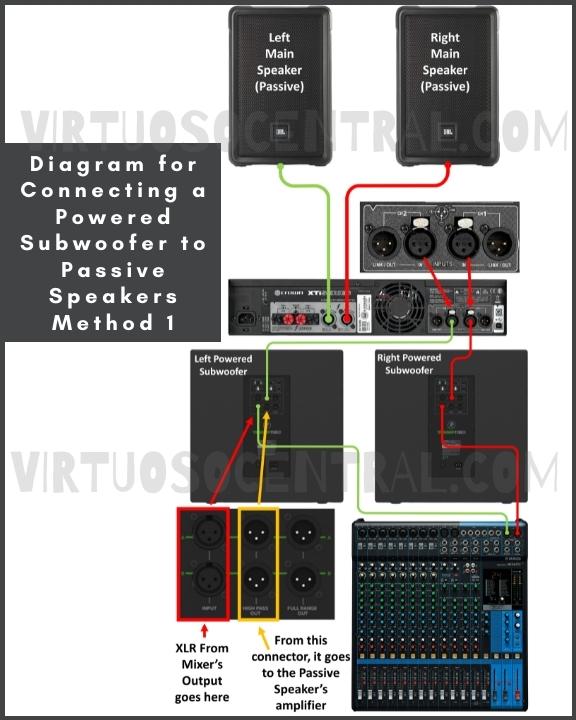
Credit: virtuosocentral.com
Why Crossover Settings Matter
Setting the crossover for your subwoofer is more than just a technical step—it shapes how your entire audio system performs. Getting this setting right helps blend the deep bass with the other speakers, creating a balanced and clear sound. Ignoring crossover settings can lead to muddy bass or gaps in your sound range, which affects your listening experience.
What Does The Crossover Control?
The crossover controls the frequency point where your subwoofer stops playing bass and your main speakers take over. This point is crucial because it ensures that each speaker plays the sounds it handles best. If the crossover is too high, your subwoofer might overlap with the main speakers, causing bass to sound boomy.
How Poor Settings Affect Sound Quality
Wrong crossover settings can cause sound issues like distortion or a lack of clarity. I once set my subwoofer crossover too high, and the bass overpowered the vocals in music tracks. Adjusting the crossover to a lower frequency immediately cleared up the mix and made the sound more natural.
Why Matching Speakers Matters
Your subwoofer and main speakers have different frequency ranges. Setting the crossover to match these ranges ensures a smooth transition between bass and midrange sounds. This avoids gaps where you hear nothing or overlaps where sounds clash, giving your audio a professional feel.
Can You Feel The Difference?
Have you ever noticed how some movies or songs feel flat or too bass-heavy? That’s often due to poor crossover settings. When set correctly, you feel the bass without it drowning out the rest of the sound. This balance lets you enjoy every detail, from subtle sound effects to powerful explosions.
Identifying Your System Components
Setting the right crossover for your subwoofer starts with knowing your system parts. Each component plays a key role in sound output. Understanding these parts helps you adjust settings correctly. It improves sound clarity and bass performance.
Knowing what types of crossovers exist is also important. Crossovers control which frequencies go to the subwoofer and speakers. This prevents sound overlap and distortion. Identifying the right crossover type makes tuning easier and more effective.
Understanding Subwoofer And Speaker Roles
Speakers and subwoofers handle different sound ranges. Speakers play mid and high frequencies. Subwoofers deliver low bass sounds. This division avoids muddy sound by separating frequencies.
Subwoofers add depth and power to music and movies. Speakers focus on vocals and instruments. Each has a unique job to make sound balanced.
Recognizing Types Of Crossovers
Crossovers split audio signals based on frequency. There are mainly three types:
- Low-Pass Crossover:Sends low frequencies to the subwoofer only.
- High-Pass Crossover:Blocks low frequencies from the main speakers.
- Band-Pass Crossover:Allows a set range of frequencies to the subwoofer.
Choosing the right crossover type depends on your system setup. It helps avoid frequency overlap and improves sound quality.
Credit: www.avsforum.com
Choosing The Right Crossover Frequency
Choosing the right crossover frequency is crucial for getting the most out of your subwoofer. It determines how well your subwoofer and main speakers work together, affecting the overall sound quality. Setting it too high or too low can cause gaps or overlaps in the audio, making your system sound unbalanced or muddy.
Factors Influencing Frequency Choice
Several factors affect which crossover frequency will work best for your setup. First, consider the size and capability of your main speakers. Smaller speakers usually need a higher crossover point because they struggle with lower frequencies.
Next, think about the room you’re in. Room size and acoustics can change how bass sounds. A larger room might need a different setting than a small, carpeted room with lots of furniture.
Your subwoofer’s power and frequency range also matter. Some subs handle very low frequencies well but don’t perform as well above 100 Hz. Knowing your sub’s strengths helps you avoid forcing it to play sounds it can’t handle cleanly.
Common Crossover Frequency Ranges
Most setups use a crossover frequency between 80 Hz and 120 Hz. This range works well for many home theater and music systems.
| Speaker Type | Recommended Crossover Frequency | Reason |
|---|---|---|
| Small Bookshelf Speakers | 100 Hz – 120 Hz | They can’t reproduce deep bass effectively |
| Floor-standing Speakers | 80 Hz – 100 Hz | Better low-frequency response than small speakers |
| High-End Full-Range Speakers | Below 80 Hz | Can handle bass well, so crossover is set lower |
Try starting at 80 Hz and slowly adjust while listening carefully. Does the bass blend smoothly or does it sound like it’s coming from a separate source? Your ears are your best guide here. What happens if you set the crossover too high or too low in your own system?
Manual Crossover Setup
Manual crossover setup lets you take full control of your subwoofer’s sound performance. Instead of relying on automatic settings, you adjust the crossover frequency yourself to match your main speakers and room acoustics. This hands-on approach can dramatically improve bass clarity and integration.
When setting the crossover manually, you focus on the frequency where your subwoofer starts to take over from your main speakers. Too high or too low, and you might experience muddled bass or gaps in sound. Are you ready to fine-tune your system for the best audio experience?
Setting Up On Av Receivers
Many AV receivers come with a built-in crossover adjustment feature. To start, check your receiver’s menu for speaker settings or bass management options.
- Locate the crossover frequency setting, usually measured in Hertz (Hz).
- Set the crossover point slightly above your main speakers’ lowest frequency response. For example, if your speakers go down to 80Hz, try setting the crossover at 90Hz.
- Make sure your receiver’s subwoofer output is enabled and assigned correctly.
Listening tests help here. Play music or movie scenes with deep bass and adjust the crossover until the bass sounds smooth and blends naturally with the rest of the system.
Configuring On Dedicated Preamp
Dedicated preamps offer even more precise control over crossover settings. You’ll usually find these controls in the preamp’s audio setup menu or via a connected app.
- Identify the subwoofer output section and access the crossover frequency control.
- Match the crossover to the frequency where your main speakers’ bass starts to drop off.
- Adjust the slope or roll-off rate if available, which affects how sharply frequencies are filtered between your speakers and subwoofer.
This setup may require a bit of patience. Make small changes and listen carefully to how the bass interacts with the mids and highs. Have you noticed subtle shifts in bass tightness or boominess during your adjustments?
Using Automatic Calibration Tools
Using automatic calibration tools simplifies setting the crossover for a subwoofer. These tools analyze your room’s acoustics and adjust settings for the best sound quality. They save time and reduce guesswork, providing precise results for clear bass integration.
Benefits Of Auto Calibration
- Quick and easy setup process
- Accurate crossover frequency adjustment
- Improved sound balance between speakers and subwoofer
- Reduces distortion and unwanted noise
- Adapts to room size and speaker placement
- Customizes sound to suit your listening preferences
Popular Calibration Systems
| System | Key Feature | Compatibility |
|---|---|---|
| Audyssey | Multi-point room analysis | Many AV receivers |
| Dirac Live | Advanced room correction | High-end audio equipment |
| YPAO (Yamaha) | Automatic speaker calibration | Yamaha receivers |
| MCACC (Pioneer) | Dynamic sound optimization | Pioneer receivers |
Fine-tuning For Optimal Sound
Fine-tuning your subwoofer crossover is the key to unlocking the best sound from your audio system. It’s not just about setting a number on a dial; it’s about adjusting it until the bass blends seamlessly with your main speakers. This process can transform your listening experience, making the bass punchy without overpowering other frequencies.
Testing And Listening Tips
Start by playing a variety of tracks with clear bass lines and vocals. Use familiar songs so you can easily notice subtle changes in sound quality. Listen for any muddiness or gaps between the bass and midrange sounds.
Try these tips to sharpen your ears:
- Move around your room to hear how bass response changes in different spots.
- Use headphones to check for distortion or rattling sounds from the subwoofer.
- Adjust volume and crossover settings incrementally, then listen carefully after each change.
Have you noticed how a slight tweak in crossover frequency can make vocals clearer or bass tighter? That’s the magic of fine-tuning.
Adjusting For Different Music Genres
Different music styles demand different bass settings. What works for a heavy metal track may not suit jazz or classical music. You might want to experiment with crossover points depending on what you’re listening to.
Consider these genre-specific adjustments:
| Genre | Recommended Crossover Setting | Why |
|---|---|---|
| Hip-Hop / EDM | 80-100 Hz | Emphasizes deep bass impact without muddying vocals |
| Rock / Pop | 60-80 Hz | Balances punchy bass with clear midrange instruments |
| Classical / Jazz | 50-70 Hz | Preserves natural instrument tones and avoids overpowering bass |
What kind of music do you listen to most? Adjusting your crossover to fit your favorite genre can make your system sound more alive and authentic.
Common Mistakes To Avoid
Setting the crossover for your subwoofer can dramatically improve your audio experience, but many people fall into common traps that reduce sound quality. These mistakes often lead to muddled bass or a disconnect between your subwoofer and main speakers. Avoiding these errors can help you get clear, balanced sound that feels like it fills the room perfectly.
Overlapping Frequencies
One frequent mistake is setting the crossover frequency too high or too low, causing your subwoofer and main speakers to play the same frequencies. This overlap creates a muddy sound where bass notes lose clarity and punch. Have you ever heard a bass line that seems bloated or unclear? That’s often due to overlapping frequencies.
To fix this, find the point where your main speakers start to lose bass response and set the crossover just below that. For example, if your bookshelf speakers perform well down to 80 Hz, set the subwoofer crossover near 80 Hz. This prevents both speakers from competing and keeps the bass tight and defined.
Ignoring Room Acoustics
Room acoustics play a huge role in how your subwoofer sounds, yet many ignore this factor when setting the crossover. Hard surfaces like walls and floors reflect bass waves, which can cause peaks and dips in sound levels. Have you noticed your bass sounds different depending on where you sit or place your subwoofer?
Try experimenting with subwoofer placement and adjust the crossover accordingly. Moving your subwoofer even a few inches can change how bass interacts with the room. Use a sound meter or an app to measure bass response at your listening spot, then tweak the crossover to smooth out any unevenness.
Advanced Techniques For Enthusiasts
Advanced techniques for setting the crossover on your subwoofer can dramatically improve sound clarity and bass response. These methods go beyond basic settings, giving you more control over how your subwoofer interacts with your room and other speakers. If you’re serious about sound quality, these insights will help you fine-tune your system with precision.
Using Room Correction Software
Room correction software analyzes how sound behaves in your listening space and adjusts the crossover frequencies accordingly. This technology can identify frequency peaks and dips caused by room acoustics and suggest optimal settings for your subwoofer.
Popular software options like Dirac Live or REW (Room EQ Wizard) use microphones to measure your room’s response. You can then adjust the crossover point based on this data rather than guesswork. Have you ever noticed boomy bass in one spot but weak bass in another? Room correction can help balance those inconsistencies.
Using this software, you’ll often receive recommendations to shift the crossover frequency slightly higher or lower depending on how your main speakers and subwoofer blend. The result is a more natural, seamless transition between your speakers and subwoofer.
Incorporating Bass Traps
Bass traps are acoustic treatments designed to absorb low-frequency sound waves and reduce problematic room resonances. Adding bass traps can change how your subwoofer’s bass behaves, which means you might need to adjust your crossover settings after installation.
Placing bass traps in corners or along walls where bass buildup occurs can clean up muddy or overwhelming bass. This clarity allows you to set a more precise crossover point that complements your main speakers rather than overwhelms them.
Think about your listening space — is the bass tight and controlled, or does it feel loose and boomy? Bass traps help create a controlled environment, giving you the freedom to choose a crossover frequency that maximizes clarity and impact without distortion.
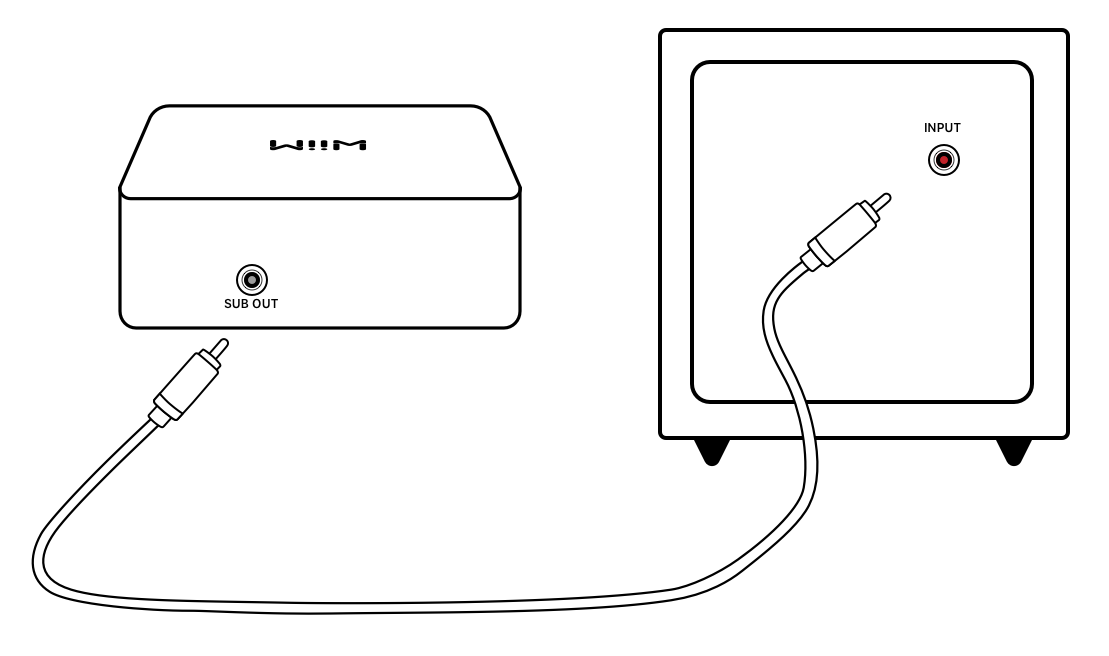
Credit: faq.wiimhome.com
Frequently Asked Questions
What Is A Crossover In A Subwoofer Setup?
A crossover directs specific frequencies to your subwoofer. It filters out higher sounds, letting only low bass frequencies play. This improves sound clarity and prevents distortion. Proper crossover settings ensure balanced audio and enhance your listening experience.
How Do I Choose The Right Crossover Frequency?
Select a crossover frequency where your subwoofer blends with main speakers. Usually, 80Hz is ideal for most systems. Adjust based on speaker size and room acoustics. Correct settings prevent audio overlap and deliver clear bass response.
Can Incorrect Crossover Settings Damage My Subwoofer?
Yes, improper crossover settings can cause distortion and damage. Setting the frequency too high forces the subwoofer to play unwanted sounds. This strains the speaker and reduces audio quality. Always use recommended crossover values for safety.
Should I Use A High-pass Filter With My Subwoofer?
A high-pass filter protects your main speakers from low frequencies. It complements the subwoofer’s low-pass filter by blocking bass from regular speakers. This creates a smooth sound transition and prevents speaker damage.
Conclusion
Setting the crossover for your subwoofer improves sound quality greatly. It helps blend the bass with other speakers. Choose a crossover frequency that matches your main speakers. Start low, then adjust until the sound feels balanced. Avoid too high or too low settings to prevent distortion.
Trust your ears more than numbers alone. This simple step makes your music and movies sound better. Enjoy deeper bass without losing clarity in other sounds. Take your time and experiment for the best result. Good sound is worth the effort.

Finnian Delaney is a seasoned writer and editor specializing in technology and electronics. At ElectroDoz, he covers a wide range of topics, with a focus on MacBooks, laptops, fitness trackers, keyboards, and computer hardware. With a knack for making complex tech accessible, Finnian helps readers stay informed and confident when choosing their next device or upgrade.