What Does the Drone Bee Do: Key Roles and Surprising Facts
Have you ever wondered what a drone bee really does? You see these buzzing insects around hives, but their role might surprise you.
Understanding the drone bee’s purpose can change the way you see the entire bee colony. You’ll discover why drone bees are so important, what tasks they handle, and how they fit into the busy life of a hive. Keep reading, and you’ll unlock fascinating secrets about these unique bees that most people don’t know.
Role Of The Drone Bee
The drone bee plays a vital role in the hive’s survival and growth. Its main job centers on reproduction and supporting the colony’s genetics. Unlike worker bees, drones do not gather nectar or pollen. Their purpose focuses on mating and helping keep the hive healthy through genetic diversity.
Mating With The Queen
Drone bees have one clear task: to mate with the queen. They leave the hive and fly to special areas called drone congregation zones. Here, many drones wait for a queen to pass by. The strongest drones compete to mate with her mid-flight. This process ensures the queen receives sperm to lay fertilized eggs. After mating, the drone dies shortly afterward.
Contributing To Genetic Diversity
By mating with multiple drones, the queen mixes genes from different males. This diversity helps the hive resist diseases and adapt to changes. A varied gene pool creates stronger offspring and healthier bees. Drones ensure the hive remains robust through this genetic contribution.

Credit: www.dadant.com
Life Cycle Of A Drone Bee
The life cycle of a drone bee reveals its unique role in the hive. Unlike worker bees, drones have a specific path from birth to maturity. This cycle is shorter and focused on reproduction. Understanding this process helps explain the drone’s place in bee society.
From Egg To Adult
Drone bees begin as eggs laid by the queen in larger cells. These eggs hatch after three days into larvae. Worker bees feed the larvae with royal jelly and pollen. The larvae grow quickly and spin a cocoon to pupate. After about 24 days, an adult drone emerges ready to join the hive.
Life Span And Seasonal Patterns
Drones live longer than worker bees but shorter than queens. Their life span is about 8 weeks during summer. Drones are most active in warm months for mating flights. As fall approaches, the hive stops feeding drones. They are often removed before winter to save resources.
Physical Characteristics
The drone bee has unique physical traits that set it apart in the hive. These features help it fulfill its role in the colony. Understanding these traits gives insight into the drone’s purpose and function.
Distinctive Features
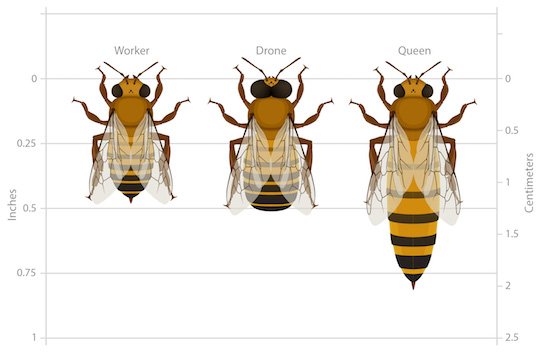
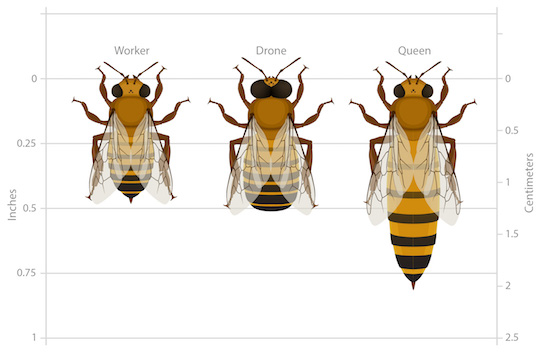
- The drone is larger than worker bees but smaller than the queen.
- It has a stout body covered in short hairs.
- Drone eyes are noticeably bigger and meet at the top of the head.
- Its wings are broader and longer compared to workers.
- Drones lack a stinger, making them harmless to humans.
- Its legs are thicker but not built for pollen collection.
Comparisons With Worker And Queen Bees
| Feature | Drone | Worker Bee | Queen |
|---|---|---|---|
| Size | Medium-large | Small | Largest |
| Eyes | Large, meet at top | Smaller, separate | Medium, separate |
| Stinger | None | Present | Present |
| Body Shape | Robust, rounded | Slim, tapered | Long, slender |
| Wings | Wide and long | Narrower | Wide, but less robust |
Surprising Facts
The drone bee might seem like a simple insect buzzing around, but it holds some surprising traits that set it apart in the hive. Understanding these facts can change the way you view these buzzing visitors. Let’s uncover what makes drone bees truly unique and fascinating.
Lack Of A Stinger
You might expect all bees to have stingers, but drone bees are a notable exception. They do not have stingers, so they can’t defend the hive by stinging predators or threats.
This absence is because drones’ main role is to mate with the queen, not to fight. Without a stinger, drones rely on the worker bees for protection, which shows how teamwork is essential in a hive.
Unique Flight Abilities
Drone bees have remarkable flight skills that you might not notice at first glance. They can fly faster and longer than worker bees when searching for a queen to mate with.
What’s interesting is that drones have larger eyes than other bees, helping them spot the queen from far away during flight. This sharp vision is critical for their role and shows how nature designs them for very specific tasks.
Drone Bee’s Role In The Hive
The drone bee plays a unique and vital role within the hive. Unlike worker bees, drones are male bees with a primary purpose focused on reproduction. Understanding their place in the hive’s social setup helps you appreciate the complex teamwork that keeps a colony thriving.
Social Structure And Hierarchy
Drones occupy a specific rank in the hive’s social structure. They do not gather nectar or pollen, nor do they participate in hive maintenance. Their main function is to mate with a queen, ensuring the survival of the hive through new generations.
Interestingly, drones are tolerated by worker bees during most of the year but may be expelled before winter. This shows how their role is closely linked to the hive’s reproductive cycle and seasonal needs.
Interaction With Other Bees
Drones interact differently with worker bees and the queen. Workers feed and care for drones, but only to a certain extent because drones don’t contribute to daily hive tasks. The queen’s interaction with drones is crucial — mating flights involve drones competing to mate with her, which is essential for the hive’s growth.
Have you ever wondered how the hive balances the presence of drones who consume resources without directly helping? The answer lies in this delicate interaction, where drones’ reproductive role justifies their upkeep by other bees.
Challenges Faced By Drone Bees
Drone bees face several challenges that affect their survival and role within the hive. Their main function is to mate with the queen, but many factors put their existence at risk. These challenges impact the drone population and the overall health of the colony.
Vulnerability To Predators
Drone bees are larger and slower than worker bees. This makes them easier targets for predators like birds and wasps. They do not have stingers, so they cannot defend themselves. Predators often catch drones during their mating flights outside the hive.
Impact Of Environmental Changes
Changes in weather and habitat affect drone bees deeply. Cold temperatures can reduce their activity and mating chances. Pollution and pesticide use harm their health and navigation skills. Loss of flowering plants means less food for the entire colony, including drones.
Drone Bees In Beekeeping
Drone bees play a unique role in beekeeping. They differ from worker bees and queens in both function and behavior. Understanding their role helps beekeepers manage hives effectively. Drone bees are vital for hive reproduction and overall health.
Role In Hive Management
Drones do not gather nectar or pollen. Their main job is to mate with the queen. This mating ensures the hive produces new bees. Drones also help maintain hive temperature by moving within it. Beekeepers monitor drone populations to keep the hive balanced. Too many drones can drain hive resources.
Breeding And Population Control
Drones are crucial for breeding strong colonies. They mate with queens from other hives to increase genetic diversity. This diversity improves hive resilience against diseases. Beekeepers sometimes manage drone numbers to control hive growth. They remove excess drones to prevent resource waste. Controlled breeding supports healthier and productive bee colonies.

Credit: www.reddit.com
Credit: bobbycalunsag.medium.com
Frequently Asked Questions
What Is The Primary Role Of A Drone Bee?
The drone bee’s main role is to mate with the queen bee. They do not collect nectar or pollen. Drones ensure the hive’s genetic diversity and support colony reproduction.
How Do Drone Bees Differ From Worker Bees?
Drone bees are larger and have no stingers. They do not gather food or maintain the hive. Worker bees perform all other tasks like foraging and cleaning.
Why Are Drone Bees Important For Bee Colonies?
Drones are vital for mating with queen bees from other hives. This mating ensures healthy offspring and genetic diversity. Without drones, bee populations could decline.
When Are Drone Bees Most Active In The Hive?
Drone bees are most active during the mating season, typically in spring and summer. They leave the hive to find a queen to mate with. They rest inside the hive otherwise.
Conclusion
The drone bee plays a vital role in the hive’s life. It helps with mating and keeps the bee community strong. Without drones, new queens cannot be born. They do not gather nectar or pollen but serve a key purpose.
Understanding drones gives us a clearer picture of how bees live. Each bee has a job, and drones are no exception. Their role may seem simple but is very important. Bees work together to keep the hive alive and healthy.

Callen Ridgeway is a senior writer at ElectroDoz, where he shares his expertise on the latest in drones, webcams, cameras, and a wide range of cutting-edge electronic devices. With a passion for exploring emerging tech and breaking it down into practical insights, Callen helps readers make smarter choices when it comes to gadgets and gear. When he’s not testing the newest electronics, he’s busy keeping up with the innovations shaping the future of consumer technology.