
What is a Drone Bee: Unveiling Nature’s Hidden Worker
Have you ever wondered about the different roles inside a buzzing beehive? One of the most fascinating members you might not know much about is the drone bee.
These special bees have a unique job that plays a crucial part in the life of the hive. If you want to understand how a hive works and what makes drone bees so important, keep reading. This article will reveal everything you need to know about drone bees and why they matter to your garden and the environment.
Role Of Drone Bees
Drone bees play a very specific role in a honeybee colony. Unlike worker bees, drone bees do not collect nectar or pollen. Their main job is to mate with the queen bee. This role is essential for the survival and growth of the hive.
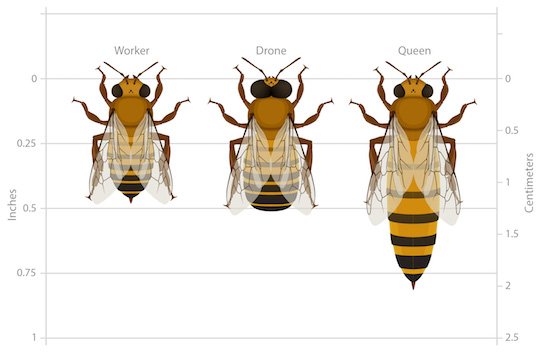
Drones are larger than worker bees and have bigger eyes. These features help them find the queen during mating flights. Though drones do not have stingers, their presence is vital in the colony’s life cycle.
Reproduction And Mating Flights
Drone bees leave the hive to join other drones in the air. They search for a queen bee flying nearby. Mating usually happens during these flights. Successful mating allows the queen to store sperm for her lifetime.
Support Within The Hive
Inside the hive, drones rest and wait for their chance to mate. They rely on worker bees for food and care. Drones do not gather food or build honeycombs. Their role is focused on reproduction only.
Life Cycle And Seasonal Role
Drones hatch from unfertilized eggs laid by the queen. They appear mainly in spring and summer. In autumn and winter, worker bees often remove drones to save resources. This seasonal cycle helps the hive survive tough conditions.
Physical Characteristics
Drone bees have unique physical features that set them apart from worker and queen bees. Their bodies are larger and more robust. This size difference helps them in their primary role of mating with the queen. Their shape and structure also reflect their specific functions within the hive.
Understanding these traits helps identify drone bees easily. Their distinct characteristics aid in their survival and role in the bee colony.
Size And Body Shape
Drones are bigger than worker bees but smaller than the queen. Their bodies are rounder and thicker. This gives them a strong appearance. They lack the slender waist seen in worker bees.
Eyes And Vision
Drone bees have large, prominent eyes. These eyes meet at the top of their heads. This feature improves their vision for spotting queens during flight. Their eyesight is sharper than that of workers.
Wings And Flight
The wings of drone bees are broad and powerful. This helps them fly long distances. They need strong wings to chase and mate with the queen. Their wing muscles are well-developed.
Stinger And Defense
Drones do not have a stinger. They cannot defend themselves by stinging. Their main protection comes from their size and hive members. They rely on workers for safety.
Color And Hair
Drone bees usually have duller colors than workers. Their bodies are covered with short, sparse hair. This contrasts with the worker bees’ denser hair. The hair helps with temperature regulation.
Life Cycle And Development
The life cycle and development of a drone bee reveal its unique role in the hive. Understanding this process helps us see how drones grow and prepare for their purpose. The journey from egg to adult is fascinating and important for the colony’s survival.
Egg Stage
The queen lays drone eggs in larger cells than worker eggs. These eggs are fertilized differently, leading to male development. The egg remains in this stage for about three days.
Larva Stage
After hatching, the drone larva grows quickly. Nurse bees feed it royal jelly at first, then pollen and honey. This stage lasts around six days. The larva molts several times as it grows.
Pupa Stage
Once the larva reaches full size, it spins a cocoon inside the cell. It then changes into a pupa. During this time, body parts like wings and eyes form. The pupa stage lasts about 14 days.
Adult Drone
The adult drone emerges from the cell fully developed. It has larger eyes and a robust body. Drones do not collect nectar or pollen. Their main task is to mate with a queen during flight.
Mating Habits
The mating habits of drone bees are fascinating and play a crucial role in the survival of the hive. Unlike worker bees, drones have one main purpose: to mate with a queen. Their behavior during this period is both intense and highly specialized.
Mating Flights
Drones leave the hive to take part in what is known as a “mating flight.” These flights usually happen on warm, sunny days when conditions are just right. You might wonder why drones don’t mate inside the hive—it’s because mating occurs mid-air, far from the hive to ensure genetic diversity.
During these flights, drones gather in specific areas called drone congregation areas, which can be several kilometers away from their home hive. It’s quite amazing how they instinctively find these spots without any prior experience.
Competition Among Drones
When drones arrive at the congregation areas, they face stiff competition. Hundreds of drones may chase a single queen, making the process highly competitive. You might be surprised to know that only a few drones actually succeed in mating.
This competition ensures that the strongest and fastest drones pass on their genes. The rest return to the hive and wait for another chance, or eventually, they are pushed out as the season ends.
Post-mating Fate
After mating, the drone’s life is short-lived. The act of mating is fatal for the drone, as it dies shortly after. This harsh reality highlights the high stakes of their single purpose.
The queen, on the other hand, stores the sperm to fertilize eggs for years to come. This system optimizes the hive’s chances of survival by maintaining strong genetic lines.
Interactions With Worker Bees
Drone bees have a unique relationship with worker bees inside the hive. These interactions are crucial for the hive’s health and reproduction. Worker bees care for drones, feed them, and manage their roles. Understanding these interactions helps explain the drone’s purpose and life cycle.
Feeding And Care By Worker Bees
Worker bees feed drone bees with a special mixture of pollen and nectar. Drones cannot gather food themselves. Workers provide all nutrition until drones mature. This care ensures drones stay healthy for mating flights.
Protection And Hive Maintenance
Worker bees protect drones from threats inside the hive. They keep drones safe during cold nights. Workers also clean the drone cells where young drones develop. This helps maintain hive hygiene and drone survival.
Behavioral Interactions And Communication
Worker bees and drones communicate through pheromones and touch. Workers sense drone readiness for mating flights. They also detect when drones become weak or sick. This communication helps the hive function smoothly.
Role In Mating Preparation
Workers prepare drones for mating by guiding their flight practice. They ensure drones leave the hive at the right time. This coordination increases the chances of successful mating with queen bees.

Credit: www.dadant.com
Impact On Hive Dynamics
The impact of drone bees on hive dynamics is subtle yet essential. These male bees play a unique role that influences the behavior and structure within the colony. Understanding their effect can help you appreciate the complex social system of a beehive.
Role In Reproduction And Genetic Diversity
Drones exist primarily to mate with a queen from another hive. This mating ensures genetic diversity, which strengthens the overall health of bee populations. Without drones, your hive risks inbreeding, leading to weaker bees and increased vulnerability to diseases.
Have you ever wondered how a single drone’s genetics can affect the traits of thousands of worker bees? This shows the importance of drones beyond their limited hive duties.
Influence On Hive Social Structure
Drones do not gather food or care for larvae. Instead, their presence affects how worker bees allocate their energy and resources. When drones are abundant, workers might reduce foraging and focus more on feeding and protecting these males.
This shift can change the hive’s daily rhythm and priorities. Have you noticed changes in bee activity during peak drone seasons? It’s a sign of how drones impact hive life.
Seasonal Population Changes And Hive Stability
Drone numbers fluctuate with the seasons, rising in spring and summer, then dropping sharply in autumn. This cycle helps your hive prepare for mating flights and conserve resources during colder months.
Workers often expel drones before winter to maintain hive stability. This tough decision highlights the delicate balance between supporting reproduction and ensuring survival.
Impact On Hive Resource Management
Drones consume a significant amount of honey but do not contribute to food collection. This means your hive must carefully manage resources to support them without compromising the needs of workers and brood.
Have you ever thought about how resource allocation decisions in your hive mirror those in larger communities? The presence of drones forces the colony to prioritize wisely.
Ecological Significance
Drone bees play a vital role in the health of bee colonies and the environment. Their ecological significance goes beyond their basic function. Understanding their impact helps appreciate the balance in nature.
Role In Reproduction
Drone bees are male bees with one main purpose: to mate with the queen. This mating ensures the survival of the hive. Without drones, the queen cannot produce fertilized eggs. Fertilized eggs become female worker bees, essential for colony tasks.
Genetic Diversity
Drones contribute to genetic diversity by mating with queens from other hives. This diversity strengthens the bee population. It helps bees adapt to diseases and environmental changes. A diverse gene pool supports long-term survival of bee species.
Impact On Pollination
Although drones do not collect pollen, their role supports worker bees. Healthy colonies with successful reproduction produce more worker bees. These workers are crucial for pollination. Pollination supports plant growth and food production for many animals and humans.

Credit: www.reddit.com
Threats And Challenges
Drone bees face many threats and challenges that affect their survival and role in the hive. These threats come from nature and human activity. Understanding these problems helps protect the hive and maintain bee populations.
Natural Predators
Drone bees are targets for many predators. Birds, spiders, and other insects often attack drones because they are slower than worker bees. Predators reduce the drone population, affecting the hive’s ability to reproduce.
Parasites And Diseases
Parasites like Varroa mites attach to drones and weaken them. These mites spread viruses that harm drones and the whole colony. Diseases such as Nosema also cause drone death and reduce fertility.
Environmental Changes
Changes in weather and habitat destroy places where bees live and find food. Drones depend on healthy environments to survive and mate. Pollution and pesticide use also harm drones by poisoning their food sources.
Human Impact
Beekeeping practices sometimes reduce drone numbers to increase honey production. This weakens the hive’s genetics and reduces mating success. Urbanization and farming reduce natural forage areas for drones.
Conservation Efforts
Conserving drone bees is crucial for maintaining healthy bee colonies and ensuring the continuation of their vital role in pollination. These male bees might not gather nectar, but their presence supports the hive’s reproductive success. Protecting them means supporting the entire ecosystem that depends on bees.
Understanding The Role Of Drone Bees In Conservation
Drone bees may seem less important since they don’t collect food, but their primary job is to mate with the queen, ensuring the hive’s future. Without healthy drone populations, new queens cannot be fertilized, which threatens colony survival. Your awareness of this role can shape how you support conservation efforts.
Creating Bee-friendly Habitats
Planting native flowers and avoiding pesticides help create safe zones for both worker and drone bees. Even small gardens can offer vital resources during mating seasons. Have you considered adding bee-friendly plants to your yard to help sustain drone bees?
Supporting Sustainable Beekeeping Practices
Beekeepers who monitor drone health and avoid practices that harm them contribute significantly to conservation. Techniques like controlled breeding and disease management protect drones and queens alike. Supporting local beekeepers who prioritize these methods can make a real difference.
Participating In Citizen Science Projects
You can join efforts to track drone bee populations through apps and local projects. Gathering data helps scientists understand threats and improve conservation strategies. How might your participation influence the future of drone bees in your area?
Reducing Environmental Stressors
Limiting pesticide use and reducing habitat destruction lowers stress on drone bees. Cleaner environments mean stronger drones capable of successful mating flights. What changes can you make in your community to reduce these pressures?

Credit: www.youtube.com
Frequently Asked Questions
What Is A Drone Bee In A Honeybee Colony?
A drone bee is a male honeybee whose primary role is to mate with a queen. Drones do not collect nectar or pollen. They have larger bodies and do not possess stingers. Their presence supports the reproduction and genetic diversity of the hive.
How Do Drone Bees Differ From Worker Bees?
Drone bees are male and larger than female worker bees. They lack stingers and do not perform hive tasks like foraging or nursing. Worker bees are female and handle all the colony’s duties except mating, which is exclusive to drones and the queen.
Why Are Drone Bees Important For Bee Reproduction?
Drone bees mate with virgin queens during mating flights. This fertilizes the queen, enabling her to lay fertilized eggs that become worker bees or future queens. Without drones, the hive cannot reproduce effectively or maintain its population.
How Long Do Drone Bees Live Compared To Other Bees?
Drone bees typically live about 8 weeks, shorter than worker bees. Their lifespan ends after mating or if the colony ejects them before winter. Worker bees can live several months, especially those born in autumn, to sustain the hive through colder seasons.
Conclusion
Drone bees play a key role in the hive’s life. They help with mating and keep the colony strong. Unlike worker bees, drones do not gather nectar or pollen. Their main job is to mate with the queen. Without drones, new bees cannot be born.
Understanding drone bees helps us appreciate nature’s balance. Bees work together in many ways to survive. Every bee has a special purpose. This teamwork keeps the hive healthy and alive. Knowing about drones brings us closer to bee life. Simple yet important creatures in the big world of bees.

Callen Ridgeway is a senior writer at ElectroDoz, where he shares his expertise on the latest in drones, webcams, cameras, and a wide range of cutting-edge electronic devices. With a passion for exploring emerging tech and breaking it down into practical insights, Callen helps readers make smarter choices when it comes to gadgets and gear. When he’s not testing the newest electronics, he’s busy keeping up with the innovations shaping the future of consumer technology.