What is the Gimbal on a Drone: Guide
Have you ever wondered how drones capture those smooth, breathtaking videos that seem to float through the sky? The secret lies in a small but powerful device called a gimbal.
If you want your drone footage to look professional and steady, understanding what a gimbal is and how it works is key. You’ll discover exactly what a gimbal does, why it matters for your drone, and how it can take your aerial shots to the next level.
Keep reading, and you’ll soon see your drone flying—and filming—in a whole new light.
Gimbal Basics
Understanding the basics of a gimbal is key to capturing smooth, professional-looking drone footage. The gimbal is a small but powerful device that stabilizes the camera, allowing you to create stunning aerial videos and photos without unwanted shakes or jitters. Let’s break down what a gimbal does, how it works, and the different types you might encounter.
Purpose Of A Gimbal
The main purpose of a gimbal is to keep your drone’s camera steady while flying. It compensates for the drone’s movements, such as tilting, shaking, or sudden shifts in direction.
Without a gimbal, your footage would look shaky and unprofessional, even if you fly smoothly. Think about the last time you tried holding a camera while walking—notice how the video bounces? A gimbal solves that problem for drones.
How Gimbals Work
Gimbals use motors and sensors to detect and counteract any movement. When your drone tilts or sways, the gimbal’s motors adjust the camera in the opposite direction to keep it level.
These adjustments happen hundreds of times per second, so you don’t see the corrections in real time. This technology allows your camera to stay stable, giving you clean, crisp shots regardless of wind or drone maneuvers.
Types Of Gimbals
- 2-Axis Gimbals:These control up-and-down (tilt) and side-to-side (roll) movement. They are simpler and often found on smaller drones.
- 3-Axis Gimbals:These add control over the pan (left and right) movement, offering full stabilization. Most professional drones use this type for the best footage quality.
- Mechanical vs. Electronic:Mechanical gimbals rely on physical balancing, while electronic gimbals use motors and sensors. Electronic gimbals are more common in drones due to their precision.
Have you ever considered how much smoother your videos could be with the right gimbal? Choosing the right type depends on your drone and the kind of footage you want to create.
Gimbal Components
The gimbal on a drone is made up of several key components that work together to keep your camera steady and deliver smooth footage. Understanding these parts can help you appreciate how your drone captures those crisp, professional shots. Let’s break down the main elements that make the gimbal function effectively.
Motors And Sensors
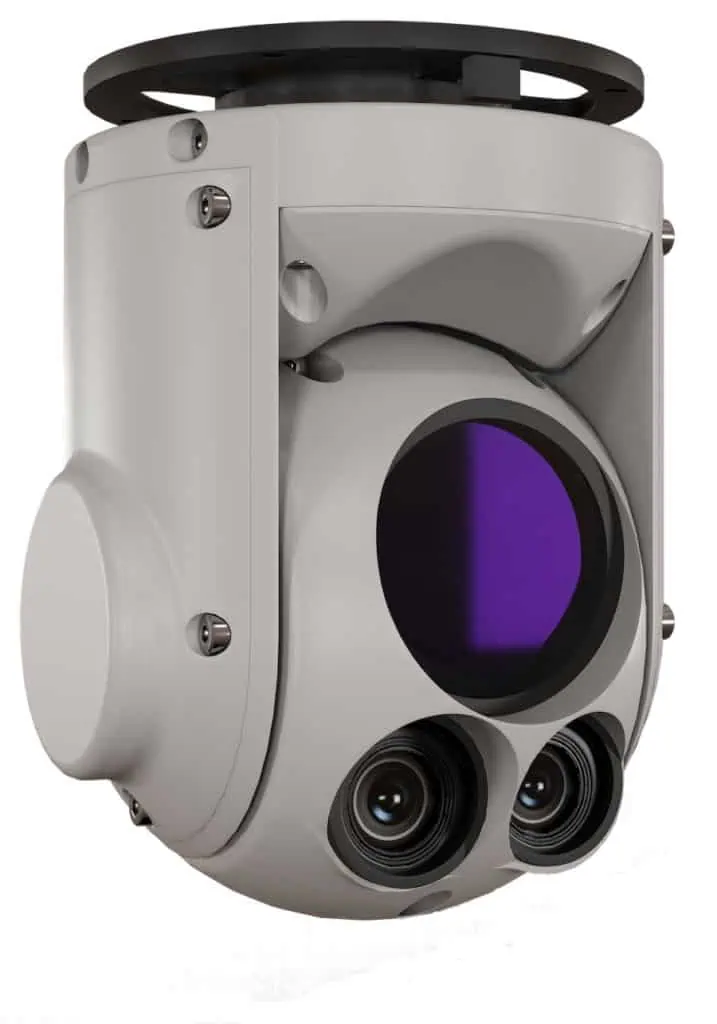
Motors are the heart of the gimbal’s movement. They adjust the camera’s position on multiple axes—usually pitch, roll, and yaw—to counteract drone vibrations and abrupt movements.
Sensors, such as gyroscopes and accelerometers, detect the drone’s motion in real-time. They send data to the motors, allowing the gimbal to react instantly and keep the camera stable.
Have you noticed how even in windy conditions your drone footage remains smooth? That’s the motors and sensors working perfectly together.
Controller Systems
The controller system acts like the brain of the gimbal. It processes signals from the sensors and calculates the necessary motor adjustments.
This system ensures that the camera stays level and directed exactly where you want it, even if the drone tilts or shakes. Some advanced controllers allow you to customize settings for different flying styles.
Would you prefer your camera to follow the drone’s movement or stay locked on a fixed point? The controller system lets you choose your preferred mode.
Mounting Mechanism
The mounting mechanism physically connects the gimbal to the drone. It needs to be both sturdy and flexible to absorb shocks and reduce vibrations.
Common mounting solutions include rubber dampeners or suspension arms that isolate the camera from drone frame jitters. This helps prevent blurry images and shaky videos.
Think about your last flight—did your footage feel shaky or smooth? The quality of the mounting mechanism often plays a big role in that experience.
Benefits For Drone Photography
The gimbal on a drone plays a crucial role in improving your drone photography. It’s not just a simple accessory; it transforms how your camera performs in flight. Understanding its benefits helps you make the most of every shot and video you capture from the sky.
Image Stabilization
A gimbal keeps your camera steady despite the drone’s movements. This means your photos come out sharp and clear, even if the drone faces wind or sudden shifts. Without a gimbal, you’d notice blurry or shaky images that ruin your perfect shot.
Think about flying your drone on a windy day—without stabilization, your photos might look like they were taken during an earthquake. The gimbal’s ability to counteract vibrations and jolts ensures you get clean, professional-looking images every time.
Smooth Video Capture
Capturing smooth videos with a drone is challenging because of constant motion. The gimbal solves this by absorbing those jerky movements, giving you fluid and cinematic footage. Whether you’re filming a landscape or an action scene, the gimbal keeps your video steady and enjoyable to watch.
Have you ever watched a drone video and felt dizzy from all the shaking? A gimbal prevents that by stabilizing the camera’s angle and movement. This turns your raw footage into something you’d be proud to share or use professionally.
Enhanced Flight Control
The gimbal doesn’t just stabilize the camera—it also improves your control over the drone’s viewpoint. You can smoothly tilt, pan, or rotate the camera independently from the drone’s flight path. This flexibility lets you frame shots exactly how you want without needing to move the entire drone.
Imagine trying to capture a building’s details from above. Instead of repositioning the drone multiple times, you can adjust the camera angle with the gimbal for the perfect shot. This saves battery life and keeps your operation efficient.

Credit: www.worldronemarket.com
Common Gimbal Issues
Gimbals are essential for stabilizing your drone’s camera, but they aren’t immune to problems. Understanding common issues can save you time and frustration. Let’s look at the typical troubles you might face with your drone’s gimbal and how to spot them early.
Calibration Problems
Calibration is key for smooth gimbal operation. If your footage looks shaky or the camera drifts unexpectedly, your gimbal might need recalibration. Sometimes, dust or minor impacts cause sensors to misread orientation, affecting stability.
Try recalibrating through your drone’s app or control panel. If that doesn’t help, check for firmware updates or consider a manual reset. Have you ever noticed your camera tilting when it shouldn’t? That’s often a calibration signal you shouldn’t ignore.
Motor Failures
The gimbal motors control precise movements. Over time, these tiny motors can wear out or get damaged, especially if you’ve had a rough landing. When motors fail, the gimbal may freeze or make unusual noises during operation.
Keep an ear out for grinding sounds and test your gimbal’s responsiveness regularly. If a motor fails, replacing it might be necessary. Don’t wait until your footage is ruined—inspect your drone after every flight to catch issues early.
Signal Interference
Signal interference can disrupt the communication between your drone’s gimbal and the controller. This often results in jittery or unresponsive camera movement. Common sources include nearby wireless devices, power lines, or even metal structures.
Flying in open areas away from interference sources can improve gimbal performance. Have you experienced sudden camera freezes or erratic motions? Consider whether your environment might be causing signal problems. Sometimes, simply changing your flying location can make a big difference.
Choosing The Right Gimbal
Choosing the right gimbal for your drone ensures smooth and stable footage. It affects the quality of your videos and photos. Consider several factors to find the best fit for your drone setup.
Compatibility With Drones
Not all gimbals work with every drone model. Check the connection type and mounting system. Match the gimbal size and weight to your drone’s specifications. Compatibility ensures proper balance and control.
Payload Capacity
Payload capacity is the maximum weight a gimbal can carry. Include your camera and any accessories in this weight. A gimbal with low capacity might strain or fail. Choose one that supports your camera’s weight comfortably.
Price Vs Performance
More expensive gimbals usually offer better stabilization and features. Budget options can work well for casual users or small cameras. Compare features like motor strength, axis control, and build quality. Balance cost with the performance you need for your projects.
Credit: www.unmannedsystemstechnology.com
Maintenance Tips
Maintaining the gimbal on a drone is crucial for smooth video and clear photos. Proper care keeps the gimbal working well and extends its life. Regular maintenance prevents problems during your flights.
Regular Calibration
Calibrating the gimbal often ensures it stays balanced. Calibration helps the drone adjust to changes in weight or position. Follow the drone’s app or manual for easy calibration steps. This process improves camera stability and image quality.
Cleaning And Care
Keep the gimbal clean from dust and dirt. Use a soft brush or cloth to gently wipe the parts. Avoid using water or harsh chemicals that might damage the gimbal. Store the drone in a dry place to protect the gimbal from moisture. Check for loose screws and tighten them if needed.
Firmware Updates
Update the gimbal’s firmware regularly to fix bugs and improve performance. Connect the drone to the app or computer to check for updates. Firmware updates help the gimbal run smoothly and add new features. Always follow instructions carefully during the update process to avoid issues.
Future Of Drone Gimbals
The future of drone gimbals looks incredibly promising, with technology pushing the limits of what these devices can do. As you rely on your drone for smooth, stable footage, upcoming improvements will make your flying and filming experience even better. Let’s look at what’s on the horizon and how it could impact your next flight.
Advancements In Stabilization
Stabilization technology is evolving rapidly to give you steadier shots, even in challenging conditions. New gimbals will use more precise sensors and faster motors to counteract wind, vibration, and sudden movements.
Imagine flying your drone through a forest or a cityscape with tighter control over camera shake. These advancements mean you’ll get cleaner, more professional footage without needing complex post-editing.
Integration With Ai
Artificial intelligence will play a bigger role in how gimbals operate. Future systems will adjust stabilization and camera angles automatically based on the scene and your flight path.
This means your drone will learn from the environment and your flying style to optimize shots in real time. Have you thought about how much easier filming could be if your gimbal anticipates movements and compensates instantly?
Miniaturization Trends
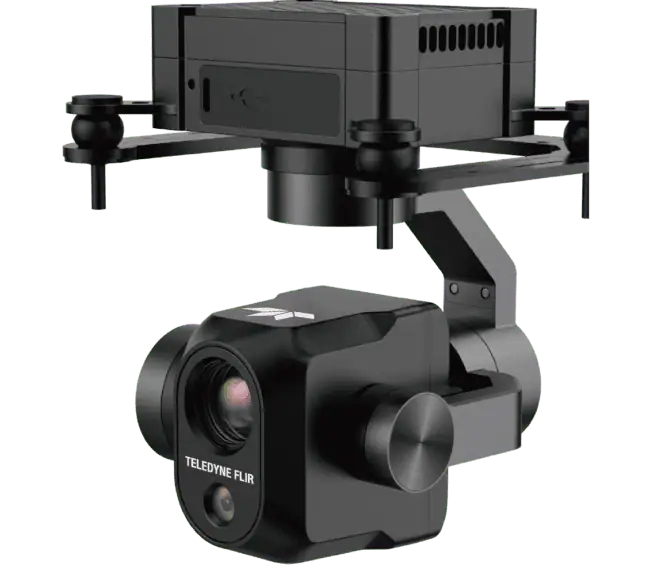
Smaller, lighter gimbals are becoming a reality, which directly benefits drone flight time and maneuverability. You’ll notice drones that carry high-quality cameras with gimbals but weigh less, making them more agile.
This trend opens up new possibilities for compact drones that don’t sacrifice image quality. How would having a lightweight gimbal change the way you use your drone for travel or professional projects?
Credit: www.unmannedsystemstechnology.com
Frequently Asked Questions
What Is The Main Function Of A Drone Gimbal?
A drone gimbal stabilizes the camera during flight. It prevents shaky footage by counteracting drone movements. This ensures smooth, professional-quality video and photos. Gimbals use motors and sensors to maintain steady angles and focus.
How Does A Gimbal Improve Drone Photography?
A gimbal keeps the camera steady, reducing blurriness. It allows smooth panning and tilting, enhancing cinematic shots. This stability helps capture clear, sharp images even in windy conditions or fast drone movements.
Can Drones Fly Without A Gimbal?
Yes, drones can fly without a gimbal, but footage will be unstable. A gimbal is essential for professional-quality video and smooth photography. Without it, videos may appear shaky and less usable.
What Types Of Gimbals Are Used On Drones?
Drones typically use 2-axis or 3-axis gimbals. A 3-axis gimbal stabilizes pitch, roll, and yaw for maximum smoothness. 2-axis gimbals stabilize fewer movements but still improve video quality.
Conclusion
A gimbal keeps your drone camera steady and smooth. It stops shaky videos and blurry photos. This helps you capture clear and nice shots every time. Understanding the gimbal’s role makes flying more fun and rewarding. Now you know why this small part matters a lot.
Try to notice it on your next drone flight. It can make a big difference in your footage.

Callen Ridgeway is a senior writer at ElectroDoz, where he shares his expertise on the latest in drones, webcams, cameras, and a wide range of cutting-edge electronic devices. With a passion for exploring emerging tech and breaking it down into practical insights, Callen helps readers make smarter choices when it comes to gadgets and gear. When he’s not testing the newest electronics, he’s busy keeping up with the innovations shaping the future of consumer technology.