
Can a Humidifier Cause Mold: Shocking Truths Revealed
Are you worried that your humidifier might be inviting mold into your home? You’re not alone.
Many people use humidifiers to make the air more comfortable, especially in dry seasons. But what if your humidifier is actually causing mold to grow? Understanding this connection is key to keeping your living space healthy and safe. You’ll discover how a humidifier can lead to mold problems and what simple steps you can take to prevent it.
Keep reading to protect your home and breathe easier every day.
How Humidifiers Work
Humidifiers add moisture to the air, improving comfort in dry climates. They work by releasing water vapor or steam, increasing humidity levels indoors. This process helps relieve dry skin, nose irritation, and other discomforts. Understanding how humidifiers function can prevent mold growth.
Types Of Humidifiers
There are several types of humidifiers available, each with unique features. Here are the main types:
- Evaporative:These use a fan to blow air through a moist wick.
- Ultrasonic:They create a cool mist using ultrasonic vibrations.
- Steam Vaporizers:These heat water to release steam into the air.
- Impeller:These have rotating disks that fling water into the air.
Each type suits different needs and preferences. Choose the right type for your space.
Benefits Of Using Humidifiers
Humidifiers offer numerous benefits for indoor environments. They reduce symptoms of dry skin and throat irritation. Moist air can also help with sinus congestion and dry coughs. Houseplants thrive in humid conditions, looking healthier and more vibrant.
Furthermore, humidifiers can protect wooden furniture from cracking. They maintain a stable indoor environment during winter. By choosing the right humidifier, you enhance comfort and well-being in your home.
Credit: trioqualityservice.com
Link Between Humidifiers And Mold
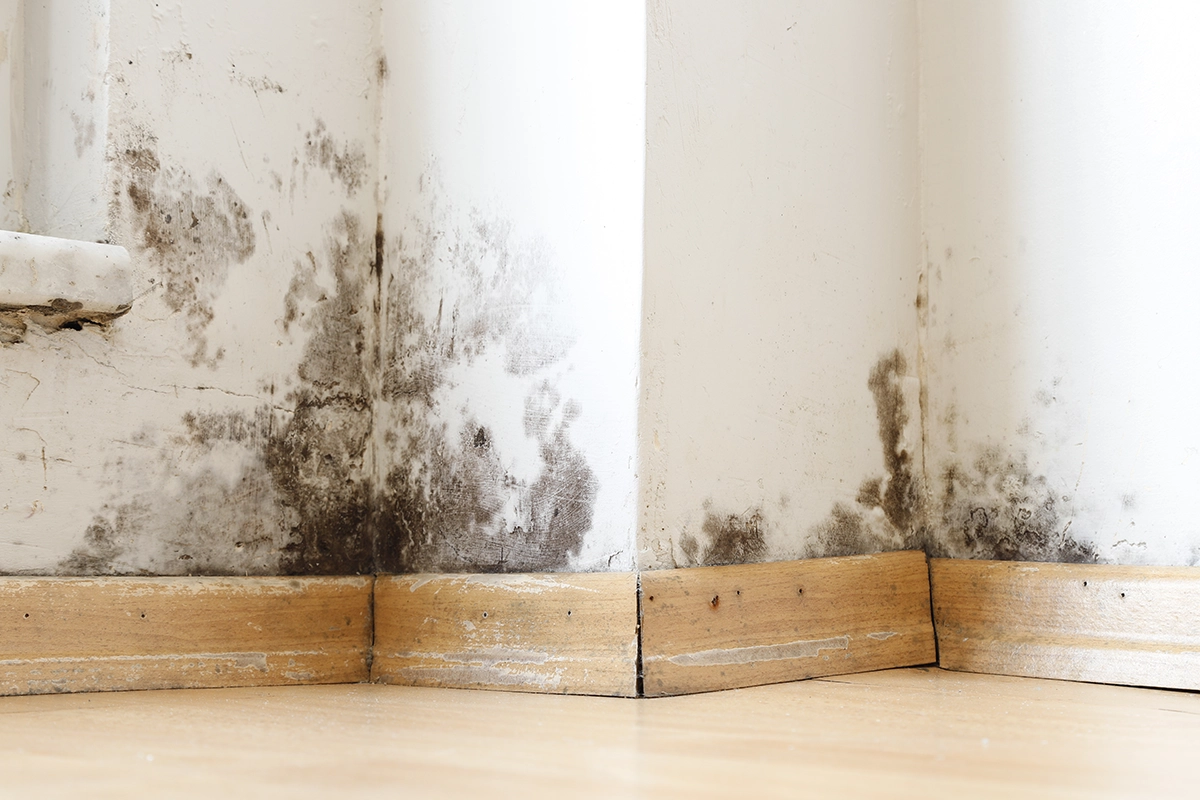
Understanding the link between humidifiers and mold is essential for maintaining a healthy home. While humidifiers add moisture to the air, which can ease breathing and skin dryness, they can also create an environment where mold thrives if not managed properly. Let’s explore how excess moisture from humidifiers can lead to mold growth and identify the common areas where mold tends to develop around these devices.
Excess Moisture And Mold Growth
Humidifiers increase indoor humidity levels by releasing water vapor. However, too much moisture creates the perfect breeding ground for mold. If the humidity stays above 60%, mold spores can settle and multiply quickly.
Have you ever noticed a musty smell or dark spots near your humidifier? That’s often the first sign mold is starting to grow. You can prevent this by regularly checking the humidity level with a hygrometer and keeping it between 30% and 50%.
Another key point is how you maintain your humidifier. Stagnant water inside the tank can harbor mold and bacteria. Cleaning your device frequently with vinegar or a mild bleach solution stops mold before it begins.
Common Mold-prone Areas Near Humidifiers
Mold doesn’t just appear inside your humidifier; it can spread to nearby surfaces. Here are some common spots to watch:
- Walls and corners– Moisture can accumulate on walls near the humidifier, especially if it’s placed too close.
- Windowsills– Condensation from increased humidity often settles here, creating damp patches.
- Carpets and rugs– If water drips or the floor stays damp, mold can develop in the fibers.
- Furniture– Wooden or upholstered items near the humidifier may absorb moisture, encouraging mold growth.
Have you checked these areas around your humidifier recently? Moving your device to a well-ventilated spot and using a moisture absorber nearby can help keep these surfaces dry.
Risks Of Improper Humidifier Use
Using a humidifier can improve indoor air quality. But improper use carries risks. These risks often lead to mold growth and health problems. Understanding how misuse affects your home is important. It helps prevent unwanted issues and keeps the air safe.
Over-humidification Effects
Too much humidity creates a damp environment. Mold thrives in moisture-rich spaces. Excess humidity can damage walls, ceilings, and furniture. It also causes condensation on windows and surfaces. This moisture encourages mold spores to grow quickly. Over-humidification raises allergy and asthma risks. It makes breathing difficult for sensitive people.
Neglected Cleaning And Mold Development
Humidifiers need regular cleaning. Dirty devices spread bacteria and mold spores. Standing water inside humidifiers becomes a breeding ground for mold. Neglecting cleaning increases the chance of mold in your home. Mold from the humidifier can enter the air you breathe. This causes respiratory problems and unpleasant odors. Proper maintenance stops mold build-up and keeps air fresh.

Credit: www.reddit.com
Signs Of Mold From Humidifiers
Humidifiers add moisture to dry air, but they can also cause mold growth. Mold thrives in damp, warm places, making humidifiers a potential source. Knowing the signs helps prevent health risks and property damage.
Visible Mold Indicators
Check your humidifier regularly for black, green, or white spots. These spots often appear inside the water tank or on the filter. Mold can also grow on nearby walls or furniture. A musty or damp smell near the humidifier signals mold presence. Cloudy or slimy water inside the tank is another warning sign.
Health Symptoms Related To Mold Exposure
Mold exposure can cause coughing, sneezing, and runny nose. You might feel itchy eyes or have a sore throat. Breathing difficulties and wheezing can happen, especially for asthma sufferers. Headaches and fatigue are common in some cases. Watch for skin rashes or irritation after using the humidifier.
Preventing Mold With Humidifiers
Humidifiers add moisture to the air, which helps with dry skin and breathing. But too much moisture can cause mold growth. Preventing mold means controlling humidity and keeping the humidifier clean. Simple steps can keep your home safe and comfortable.
Optimal Humidity Levels
Keep indoor humidity between 30% and 50%. This range stops mold spores from growing. Use a hygrometer to check humidity levels regularly. Adjust the humidifier settings to avoid excess moisture. Proper humidity also protects wood and furniture.
Regular Maintenance Tips
- Clean the humidifier every three days.
- Empty water tanks daily to prevent bacteria.
- Use a soft brush to remove buildup.
- Replace filters as the manufacturer suggests.
- Dry all parts completely before reassembling.
Regular care stops mold and keeps the air fresh.
Using Distilled Water
Tap water has minerals that cause white dust and mold. Distilled water is pure and limits mineral buildup. Using distilled water helps the humidifier run better and cleaner. It reduces the chance of mold growing inside the device.
Choosing Mold-resistant Humidifiers
Choosing a humidifier that resists mold growth helps maintain clean air. Mold can grow inside humidifiers if moisture and dirt build up. A mold-resistant humidifier reduces this risk by using smart features and materials. These devices keep the water clean and dry between uses. This choice supports healthier air and saves time on cleaning.
Features To Look For
- Antimicrobial materials that prevent mold and bacteria growth
- Easy-to-clean tanks and parts to avoid dirt buildup
- Automatic shut-off when water runs low to stop mold growth
- UV light or other sterilizing technology to kill germs
- Filters that trap impurities and reduce mineral deposits
- Humidity sensors to maintain ideal moisture levels
Recommended Models
| Model | Key Feature | Best For |
|---|---|---|
| PureMist Pro | UV sterilizer and antimicrobial tank | Allergy sufferers |
| AirClean 3000 | Easy-to-clean design with filter | Families with kids |
| HumidiSafe Plus | Auto shut-off and humidity sensor | Small rooms and offices |
When To Seek Professional Help
Knowing when to seek professional help is important if mold growth occurs due to a humidifier. Mold can spread quickly and cause health issues. Early action can prevent serious damage to your home and family health. Professionals have the tools and knowledge to handle mold safely and effectively.
Mold Remediation Options
Professionals offer several options to remove mold safely:
- Containment to stop mold from spreading.
- Air filtration to capture mold spores.
- Removing and cleaning mold-infested materials.
- Applying antifungal treatments to affected areas.
- Restoring damaged surfaces after mold removal.
These steps ensure mold is removed thoroughly and does not return.
Consulting Hvac Experts
HVAC experts can inspect your system for mold issues. They check humidifiers and air ducts for mold growth. Experts can clean and maintain your HVAC system properly. This helps control moisture levels and prevent mold development. Regular HVAC checks can keep your home safe and air clean.

Credit: getcanopy.co
Frequently Asked Questions
Can A Humidifier Increase Mold Growth Indoors?
Yes, excessive humidity from a humidifier can promote mold growth. Keeping indoor humidity between 30-50% helps prevent mold while maintaining comfort.
How Does A Humidifier Cause Mold In The House?
A humidifier can cause mold if it releases too much moisture or isn’t cleaned regularly. Mold thrives in damp, unventilated areas.
What Are Signs Of Mold Caused By Humidifiers?
Signs include musty odors, visible mold spots, and increased allergy symptoms. Monitoring humidity and cleaning the humidifier prevents these issues.
How To Prevent Mold When Using A Humidifier?
Use distilled water, clean the humidifier weekly, and maintain humidity below 50%. Proper ventilation also helps reduce mold risks.
Conclusion
A humidifier can cause mold if not used carefully. Keep humidity levels between 30% and 50%. Clean the humidifier regularly to stop mold growth. Avoid leaving water standing inside the machine. Good airflow in your home helps prevent mold too.
Using a humidifier is safe with proper care. Stay aware of moisture and act fast if mold appears. This way, you enjoy cleaner air without mold worries.

Jaxon Wilder is a tech enthusiast and contributor at ElectroDoz, where he dives into the latest trends in electronics and smart gadgets. With a sharp eye for innovation and hands-on testing, Jaxon brings readers practical reviews, tips, and insights on everything from everyday tech accessories to advanced devices. His goal is to make technology simpler, smarter, and more enjoyable for everyone.