
How Many Amps for a Dishwasher: Essential Guide for Homeowners
Are you wondering how many amps your dishwasher needs to run smoothly? Knowing the right amperage is key to keeping your kitchen safe and your appliance working efficiently.
If you plug in a dishwasher that draws too much power, you risk tripping breakers or even causing electrical damage. But don’t worry—this guide will break down everything you need to know in simple terms. By the end, you’ll feel confident about your dishwasher’s electrical needs and how to handle them.
Keep reading to get the clear answers you’re looking for!
Credit: www.homedepot.com
Dishwasher Power Requirements
Understanding dishwasher power requirements helps ensure safe and efficient operation. Dishwashers need a specific amount of electrical current to function properly. Knowing the amps required prevents circuit overloads and electrical hazards.
Dishwasher models differ in power use. The power demand depends on features and size. Most dishwashers use between 6 and 12 amps.
Typical Amp Ratings For Dishwashers
Standard dishwashers usually draw around 10 amps. Some smaller or energy-efficient models may need less, about 6 to 8 amps. Larger or high-end dishwashers can require up to 12 amps.
Voltage And Power Consumption
Dishwashers typically run on 120 volts in the U.S. Power consumption is measured in watts. Watts can be converted to amps by dividing watts by voltage.
| Power (Watts) | Voltage (Volts) | Current (Amps) |
|---|---|---|
| 1200 W | 120 V | 10 A |
| 900 W | 120 V | 7.5 A |
| 1440 W | 120 V | 12 A |
Dedicated Circuit For Dishwashers
Dishwashers often require a dedicated circuit. This prevents overloads on shared circuits. A 15 or 20 amp circuit breaker is typical. Check your dishwasher’s manual for exact requirements.
Impact Of Heating Elements On Amps
Heating elements increase the dishwasher’s power draw. They can add several amps during drying cycles. Models with advanced heaters may need a higher amp rating.
Amperage Basics
Understanding amperage is key to knowing how much power your dishwasher needs to work efficiently. It affects not just performance but also safety and energy use. Let’s break down what amperage means and why it matters for your appliances.
Defining Amperage
Amperage, measured in amps, shows how much electric current flows through a wire. Think of it as the amount of electricity your dishwasher pulls to operate.
Every appliance has a specific amperage rating, which tells you the electrical load it requires. If your dishwasher uses 10 amps, it means it draws 10 units of electrical current while running.
Importance For Appliances
Knowing the amperage helps you choose the right circuit breaker and wiring. This prevents overloads that can trip your breaker or even cause electrical fires.
Have you ever experienced your dishwasher shutting off mid-cycle? That might be due to an insufficient amperage supply.
Matching your dishwasher’s amperage with your electrical system ensures smooth operation and extends the life of your appliance. It also helps you avoid costly repairs or replacements down the line.
Typical Amps For Dishwashers
Knowing the typical amps for dishwashers can help you choose the right model for your home’s electrical setup. Different dishwashers draw varying amounts of current depending on their features and efficiency. Understanding these differences ensures you avoid tripping breakers or damaging your electrical system.
Standard Models
Most standard dishwashers use between 10 to 15 amps. These models usually have basic functions without extra energy-saving features. If your home has a standard 15-amp circuit, it should handle these dishwashers comfortably.
Keep in mind that older or larger dishwashers might draw closer to 15 amps consistently. If you notice frequent breaker trips, you may need to check if the dishwasher’s amperage matches your circuit’s capacity.
Energy-efficient Models
Energy-efficient dishwashers typically use less power, drawing around 6 to 10 amps. These models often have advanced technology like soil sensors and eco-friendly wash cycles.
Choosing an energy-efficient model can lower your electric bill and reduce wear on your home’s wiring. Have you checked if your current dishwasher matches your household’s energy goals? Switching to a lower-amp model might be easier than you think.
Factors Influencing Amperage
The amperage of a dishwasher depends on several key factors. These factors determine how much electrical current the appliance needs to function properly. Understanding them helps in selecting the right circuit and preventing electrical issues. Amperage varies based on the dishwasher’s design and features.
Size And Capacity
Larger dishwashers usually require more power. They have bigger motors and heating elements. More water needs heating, which uses extra electricity. A dishwasher that holds more dishes runs longer cycles. This increases the total current draw during operation.
Compact models tend to draw less amperage. They have smaller motors and fewer heating elements. This makes them suitable for smaller kitchens or lower power circuits.
Advanced Features
Modern dishwashers often include advanced features. These can increase the amperage requirement. Features like soil sensors, multiple spray arms, and steam cleaning use extra power. Electronic control boards and LED displays also add to the load.
Energy-efficient models may use less power despite advanced features. They often use better insulation and smarter sensors. This helps reduce the overall current draw while maintaining performance.
Checking Your Dishwasher’s Amps
Checking your dishwasher’s amps is a crucial step before installation or troubleshooting. Knowing the exact amp rating helps you ensure your electrical system can handle the dishwasher safely. It also prevents circuit overloads and potential hazards.
Locating The Amp Rating
The amp rating for your dishwasher is usually found in a few key places. First, check the user manual or installation guide that came with your appliance. If you no longer have the manual, look on the dishwasher itself.
Many dishwashers have a label inside the door frame or on the back panel. This label often lists electrical specifications, including the amp rating. If you can’t find it there, check the electrical cord or plug for any markings.
Understanding The Label
The label might show amps directly or provide watts and volts instead. If you see watts and volts, you can calculate amps using the formula: Amps = Watts ÷ Volts. For example, a dishwasher rated at 1500 watts and 120 volts draws 12.5 amps.
Labels sometimes include other terms like “maximum current” or “rated current.” These indicate the highest electrical draw the dishwasher will need during operation. Knowing this helps you select the right circuit breaker and wiring.
Have you ever tried guessing your appliance’s power needs without checking? It often leads to tripped breakers or worse. Taking a few minutes to locate and understand your dishwasher’s amp rating saves time and stress later on.
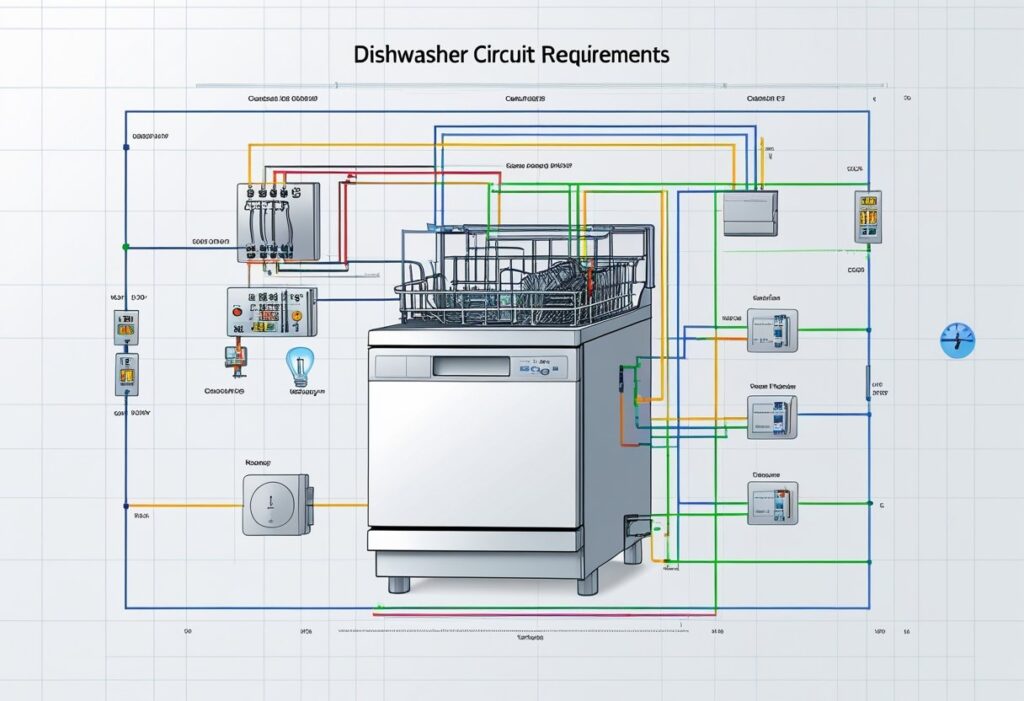
Electrical Circuit Requirements
Understanding the electrical circuit requirements for a dishwasher is essential for safe and efficient operation. Dishwashers need a specific amount of electrical power to run properly. This power must be delivered through the correct wiring and protection devices. Proper circuits prevent overloads and electrical hazards in your kitchen.
Dedicated Circuits
Dishwashers require a dedicated circuit. This means the dishwasher should have its own electrical line. The circuit should not share power with other appliances. Sharing circuits can cause power drops or tripping breakers. A dedicated circuit ensures steady and reliable electricity flow. It also helps protect the dishwasher from electrical damage.
Breaker Recommendations
The circuit breaker must match the dishwasher’s amperage needs. Most dishwashers need a 15-amp or 20-amp breaker. Check the dishwasher’s manual for the exact amperage. A breaker too small may trip often. A breaker too large may not protect against electrical faults. Correct breaker size keeps your dishwasher safe and working well.
Safety Considerations
Understanding the safety considerations around how many amps a dishwasher requires is crucial for protecting your home and appliances. Electrical safety isn’t just about avoiding shocks—it’s about preventing damage and fire hazards. Knowing the right amp rating helps you avoid overloads and keeps your dishwasher running smoothly.
Preventing Overloads
Overloading your circuit can cause breakers to trip or wires to overheat, which is dangerous. Dishwashers typically need a dedicated 15-20 amp circuit, but plugging multiple high-power devices into one line can push the load too high.
Ask yourself: Are other appliances sharing the same circuit as your dishwasher? If yes, this could create overload risks. You can use a simple checklist to ensure safety:
- Verify the dishwasher’s amp requirements in the manual.
- Check what else is on the circuit.
- Avoid using extension cords or power strips with dishwashers.
Remember, a circuit breaker is your last line of defense, not a solution to poor wiring. Properly matching the dishwasher’s amperage needs with the circuit prevents unexpected trips and potential fire hazards.
Professional Installation Advice
Hiring a licensed electrician to install or inspect your dishwasher’s wiring is a smart move. They can ensure the circuit matches the dishwasher’s amp rating and complies with local electrical codes.
In my experience, a friend once tried a DIY install, ignoring the amp rating. The breaker tripped every time the dishwasher ran. The electrician fixed it by installing a dedicated 20-amp circuit, solving the problem immediately.
Don’t hesitate to ask your electrician these questions:
- Is the circuit dedicated to the dishwasher?
- Does the wiring support the dishwasher’s amp load?
- Are grounding and safety switches properly installed?
Proper installation isn’t just about functionality; it’s about your safety and peace of mind. Would you risk your home’s safety to save a little time or money?
Energy Efficiency And Amperage
Energy efficiency and amperage are key factors in choosing a dishwasher. Amperage shows how much electricity the dishwasher uses. Energy efficiency means using less power to clean dishes well. Together, they affect your home’s energy use and costs.
Impact On Utility Bills
Dishwashers with higher amperage draw more electricity. This raises your monthly utility bills. Lower amperage models use less energy, saving money over time. Energy-efficient dishwashers reduce power waste during operation. A small difference in amps can add up over months. Choosing the right amperage helps control energy expenses.
Choosing Energy Star Models
Energy Star dishwashers meet strict energy use rules. They usually have lower amperage ratings. These models use advanced technology to clean well with less power. Energy Star units reduce water and electricity use. They help protect the environment and save money. Look for the Energy Star label for efficient dishwashers.
Troubleshooting Common Issues
Troubleshooting common issues with your dishwasher can save time and money. Electrical problems often cause dishwashers to stop working properly. Understanding the signs helps you act quickly and avoid further damage.
Signs Of Electrical Problems
- Dishwasher does not start at all.
- Lights or display panel fail to turn on.
- Dishwasher stops mid-cycle without warning.
- Frequent tripping of the circuit breaker.
- Burning smell near the dishwasher area.
- Unusual buzzing or humming noises during operation.
- Buttons or controls respond inconsistently.
When To Call A Professional
Electrical issues can be dangerous. Avoid fixing electrical parts unless you have experience. Call a professional if:
- The dishwasher shows no power despite a working outlet.
- There are signs of burning or melted wires.
- The circuit breaker trips repeatedly when running the dishwasher.
- You notice water near electrical components.
- The problem persists after basic troubleshooting.
Hiring a licensed electrician or appliance repair expert ensures safety and proper repair. This prevents risks like electric shock or fire hazards. Trust experts to handle complex electrical problems.

Credit: www.reddit.com
Credit: magnifyelectric.com
Frequently Asked Questions
How Many Amps Does A Dishwasher Typically Use?
Most dishwashers use between 10 to 15 amps of electrical current. This varies by model and features. Always check the manufacturer’s specifications for exact requirements.
What Size Circuit Breaker Is Needed For A Dishwasher?
A 15-amp circuit breaker is commonly recommended for dishwashers. Some models may require a 20-amp breaker. Always follow local electrical codes and installation instructions.
Can A Dishwasher Share A Circuit With Other Appliances?
It’s best to have a dedicated circuit for your dishwasher. Sharing circuits can cause overloads and trip breakers. This ensures safe and efficient operation.
Why Is Knowing Dishwasher Amperage Important?
Understanding amperage helps prevent electrical overloads and ensures proper installation. It protects your home’s electrical system and keeps the dishwasher running safely.
Conclusion
A dishwasher usually needs about 10 to 15 amps to run safely. Knowing the right amps helps you avoid electrical problems. Always check the dishwasher’s manual for exact details. Use the proper circuit breaker to protect your home. If unsure, ask a qualified electrician for advice.
This keeps your kitchen safe and your dishwasher working well. Small steps like these make a big difference in daily use. Remember, safety first and enjoy clean dishes every day.

Jaxon Wilder is a tech enthusiast and contributor at ElectroDoz, where he dives into the latest trends in electronics and smart gadgets. With a sharp eye for innovation and hands-on testing, Jaxon brings readers practical reviews, tips, and insights on everything from everyday tech accessories to advanced devices. His goal is to make technology simpler, smarter, and more enjoyable for everyone.