
Can You Put Instant Pot Lid in Dishwasher: Ultimate Cleaning Guide
Are you wondering if you can put your Instant Pot lid in the dishwasher? It’s a simple question, but the answer can save you time and keep your cooker in great shape.
Cleaning your Instant Pot properly is key to making it last longer and work better. You’ll discover exactly how to clean your lid safely, what parts go in the dishwasher, and what you should avoid. Keep reading to make sure you’re taking care of your Instant Pot the right way.

Credit: moverscrosscanada.ca
Instant Pot Lid Components
The Instant Pot lid has several parts working together for safe cooking. Knowing these components helps with cleaning and maintenance. Each part has a role in sealing, pressure control, and safety.
Parts Of The Lid
- Sealing Ring:A flexible silicone ring that seals the pot.
- Steam Release Valve:Controls the release of steam during cooking.
- Float Valve:Shows when pressure is inside the pot.
- Lid Handle:Used to open and close the lid safely.
- Anti-Block Shield:Prevents food from blocking the steam valve.
- Inner Lid Plate:The main metal surface inside the lid.
Material Considerations
The Instant Pot lid combines metal and silicone parts. The inner lid plate is usually stainless steel. This metal can handle heat and is easy to clean.
The sealing ring is made of soft silicone. Silicone can absorb smells and needs gentle cleaning. Plastic parts like the handle and valve require care to avoid damage.
Not all lid parts are dishwasher safe. Some materials can warp or lose shape in high heat. Knowing the materials helps decide the best cleaning method.
Dishwasher Safety For Instant Pot Lid
Keeping the Instant Pot lid clean is important for safe cooking. Many wonder if it is safe to put the lid in the dishwasher. Understanding dishwasher safety for the Instant Pot lid helps maintain its function and lifespan.
Manufacturer Guidelines
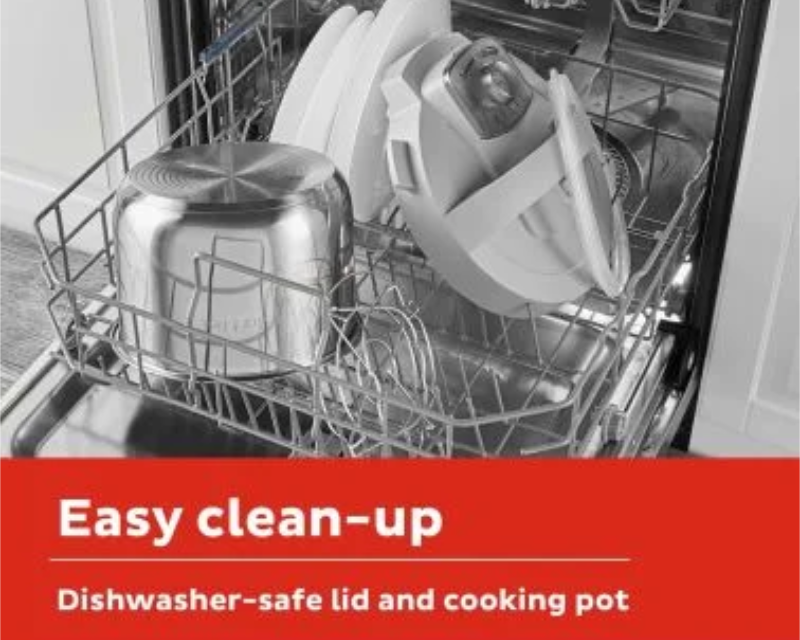
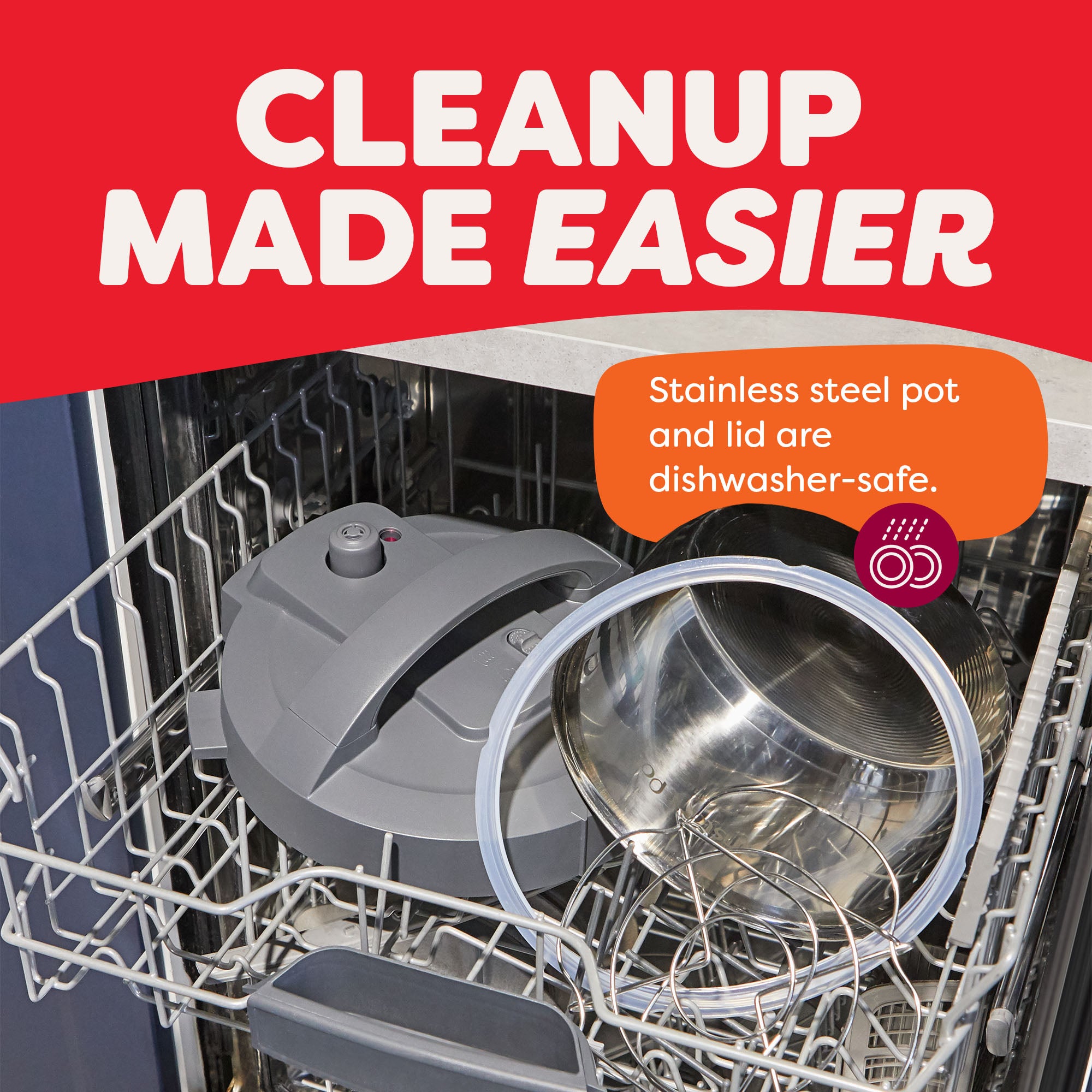
Most Instant Pot manufacturers advise hand washing the lid. The lid has parts like the sealing ring and float valve that need gentle care. The manual usually recommends removing the sealing ring before washing. Some models allow the lid top rack in the dishwasher, but check the guide first. Following these instructions prevents damage and ensures safety.
Potential Risks
Dishwasher heat and strong detergents can warp or damage lid parts. The sealing ring may lose elasticity or become brittle. Small components like the float valve can get stuck or broken. High water pressure might push dirt into hard-to-clean areas. Avoiding dishwasher use reduces risk of malfunction or leaks.
Manual Cleaning Techniques
Cleaning your Instant Pot lid by hand might seem like extra work, but it gives you full control over the process. Manual cleaning techniques help maintain the lid’s parts better and prevent damage that sometimes happens in dishwashers. You can also spot hidden food residues and clean them thoroughly.
Detaching Parts For Cleaning
Start by carefully removing the silicone sealing ring from the lid. This ring often traps odors and food particles, so cleaning it separately is important. Take out the anti-block shield as well; it can accumulate grease and needs gentle scrubbing.
Have you ever missed a tiny part and wondered why your Instant Pot still smells funny? Detaching these pieces makes sure you clean every nook and cranny. Plus, it prevents damage to delicate components that don’t do well with harsh dishwasher cycles.
Cleaning Tools And Solutions
Use a soft sponge or cloth to avoid scratching the lid’s surface. Mild dish soap mixed with warm water works perfectly to cut through grease without harming the material. For stubborn stains, a toothbrush can reach small crevices, especially around the steam release valve.
Some users find that soaking the silicone ring in a vinegar-water solution helps remove lingering smells. Have you tried that? It’s a simple trick that freshens the ring without harsh chemicals. Avoid abrasive cleaners or steel wool—they can damage the lid’s finish and affect its performance.
Credit: www.biopapa.lv
Drying And Storage Tips
Keeping your Instant Pot lid clean and fresh after washing is just as important as washing it properly. How you dry and store the lid can affect its lifespan and hygiene. Let’s look at some practical tips that can help you avoid common problems like odors and damage.
Preventing Odors
After washing your Instant Pot lid, drying it thoroughly is key to stopping unpleasant smells from building up. Leftover moisture creates a breeding ground for bacteria and mold, which cause odors.
Try using a clean towel to pat the lid dry or let it air dry completely before storing. If you notice any lingering smells, wipe the silicone sealing ring with a mixture of water and white vinegar to neutralize odors.
Have you ever stored your lid right after washing only to find a funky smell days later? Taking a moment to dry it well can save you from that frustration.
Proper Storage Practices
Storing your Instant Pot lid correctly helps maintain its condition and prevents damage. Avoid snapping the lid shut on the pot immediately after use, especially if it is still warm and moist inside.
Store the lid upside down or on its side to allow airflow. Many users find that placing the lid in a cupboard or on a clean shelf away from kitchen grease and dust keeps it in better shape.
Keeping the sealing ring separate from the lid during storage can also help it retain its flexibility longer. Do you have a special spot where you keep your Instant Pot lid? If not, try designating a place that supports airflow and cleanliness.
Common Mistakes To Avoid
Cleaning your Instant Pot lid might seem straightforward, but many make mistakes that can harm the appliance or reduce its performance. Knowing what to avoid helps keep your lid in top shape and your meals safe. Let’s look at common errors that people often overlook when washing the Instant Pot lid.
Avoiding Damage
Not all parts of the Instant Pot lid can handle the dishwasher’s heat and water pressure. The sealing ring and anti-block shield are especially vulnerable. Washing these in the dishwasher can cause warping or loss of flexibility, which leads to leaks or poor sealing.
Always check the manufacturer’s instructions before tossing the lid or parts in the dishwasher. If you’ve ever noticed your sealing ring looking misshapen or cracked after cleaning, that’s a sign it needs gentler care. Hand washing with warm, soapy water is usually safer and extends the life of these components.
Ensuring Functionality
The Instant Pot lid has small parts like the steam release valve that can get clogged if not cleaned properly. Dishwasher jets might not clean these nooks well, or worse, could dislodge them. Missing or damaged parts can stop your Instant Pot from sealing correctly or releasing pressure safely.
Take a moment to disassemble removable parts before washing and inspect them for food residue. Using a small brush or toothpick can help clear out stubborn bits. Have you ever struggled with your Instant Pot not sealing or venting right? Dirty or damaged parts might be the hidden cause.
Credit: instantpot.com
Faqs On Instant Pot Lid Care
Proper care of your Instant Pot lid ensures safe and efficient cooking. Many users ask about cleaning and maintenance to keep the lid in good shape. Here, we answer common questions about Instant Pot lid care. Learn how to troubleshoot issues and extend your lid’s lifespan with simple tips.
Troubleshooting Common Issues
- Lid won’t seal properly: Check if the sealing ring is clean and seated correctly.
- Steam leaks during cooking: Ensure the steam release valve is closed tightly.
- Lid won’t lock: Make sure the lid is aligned with the pot and the float valve moves freely.
- Unusual noises: Inspect the silicone sealing ring for damage or dirt build-up.
- Burn notice appears: Clean the inner pot and lid thoroughly to remove stuck food.
Extending Lid Lifespan
- Remove and wash the sealing ring after every use with warm, soapy water.
- Do not put the Instant Pot lid in the dishwasher unless the manual says it’s safe.
- Dry all parts completely before reassembling to avoid mold growth.
- Store the lid upside down on the pot to keep the sealing ring fresh.
- Replace the sealing ring every 12-18 months or if it becomes cracked or misshapen.
Frequently Asked Questions
Can You Wash The Instant Pot Lid In A Dishwasher?
Yes, the Instant Pot lid can be washed in the dishwasher. Place it on the top rack for best results. Avoid high heat settings to protect the silicone sealing ring and other parts. Always check your model’s manual for specific instructions.
Is The Sealing Ring Dishwasher Safe In Instant Pot?
The silicone sealing ring is dishwasher safe and can be cleaned on the top rack. However, frequent dishwasher use may reduce its lifespan. Hand washing can help the ring last longer. Replace the ring periodically for optimal performance and safety.
Should You Remove The Sealing Ring Before Dishwasher Cleaning?
It’s best to remove the sealing ring before placing the lid in the dishwasher. This prevents damage and ensures a thorough clean. Wash the ring separately by hand or on the dishwasher’s top rack. Proper care extends the ring’s durability.
Can Dishwasher Damage The Instant Pot Lid Parts?
Dishwasher heat and harsh detergents can damage some Instant Pot lid parts. Avoid using high heat settings to protect silicone and plastic components. Regular hand washing is gentler and extends the lid’s lifespan. Always follow manufacturer care guidelines for safety.
Conclusion
You can safely wash most Instant Pot lids in the dishwasher. Just check your model’s instructions first. Some lids have parts that need hand washing. Keeping the lid clean helps your Instant Pot last longer. Regular cleaning stops smells and food buildup.
Always dry the lid well before storing it. This small step keeps your cooker working great. Simple care makes cooking easier and safer. Now you know how to clean your Instant Pot lid right. Enjoy your cooking!

Jaxon Wilder is a tech enthusiast and contributor at ElectroDoz, where he dives into the latest trends in electronics and smart gadgets. With a sharp eye for innovation and hands-on testing, Jaxon brings readers practical reviews, tips, and insights on everything from everyday tech accessories to advanced devices. His goal is to make technology simpler, smarter, and more enjoyable for everyone.