
How to Bypass Furnace Thermostat: Quick DIY Guide
Imagine it’s a freezing winter evening and your furnace stops working because of a faulty thermostat. You need warmth, and you need it fast.
The idea of bypassing your furnace thermostat might seem daunting, but it can be a straightforward process. You’re not alone in wanting a quick fix to restore comfort in your home, and this article will guide you step-by-step on how to do just that.
Have you ever felt the frustration of an unexpected breakdown? The helplessness of staring at a thermostat that just won’t cooperate can be overwhelming. But what if there was a way to regain control and get your furnace running without waiting for professional help? This guide is your key to understanding the bypassing process, empowering you with the knowledge to tackle this issue head-on. You’ll discover easy-to-follow instructions that will help you bypass the thermostat safely and efficiently. Whether you’re a DIY enthusiast or simply someone in need of a quick solution, this article is crafted to meet your needs. Dive in to learn how you can take charge of your home’s heating system without the hassle.
Safety Precautions
Safety is very important. Always turn off the power to the furnace. Check for any loose wires before you start. Make sure to wear gloves to protect your hands. Do not touch any metal parts with bare hands. Use tools like screwdrivers carefully. Keep children and pets away from the area. Read the furnace manual. It has important information. Follow all safety warnings. If you are unsure, ask an expert. Do not rush the process. Take your time and be safe.
Tools And Materials Needed
Gathering the right toolsand materialsis important. You need a screwdriverto open the thermostat panel. A wrenchmight be necessary for certain screws. Have a voltage testerto check electricity flow. Ensure you have electrical tapeto cover wires safely. Safety glovesprotect your hands during work. A multimeterhelps measure electrical current. Carry a notepadto jot down wire connections. Keep extra wireshandy for replacements. Use a flashlightfor better visibility in dark areas. Always wear safety gogglesto protect your eyes.
Understanding The Furnace System
A furnace has many important parts. The thermostatis one of them. It tells the furnace when to start or stop. The burnerheats the air. A blowerpushes this warm air through the house. Each part must work well for the furnace to heat your home.
The furnace has a few key components. These include the burner, blower, and thermostat. The burner uses fuel to create heat. The blower moves the warm air. The thermostat controls the temperature. All these parts work together.
The thermostat is like a control center. It tells the furnace when to turn on. It helps keep your home warm. It reads the room temperature. If the room is cold, the thermostat sends a signal. The furnace then turns on. If the room is warm enough, the furnace stops.

Credit: forums.wyze.com
Identifying Thermostat Wires
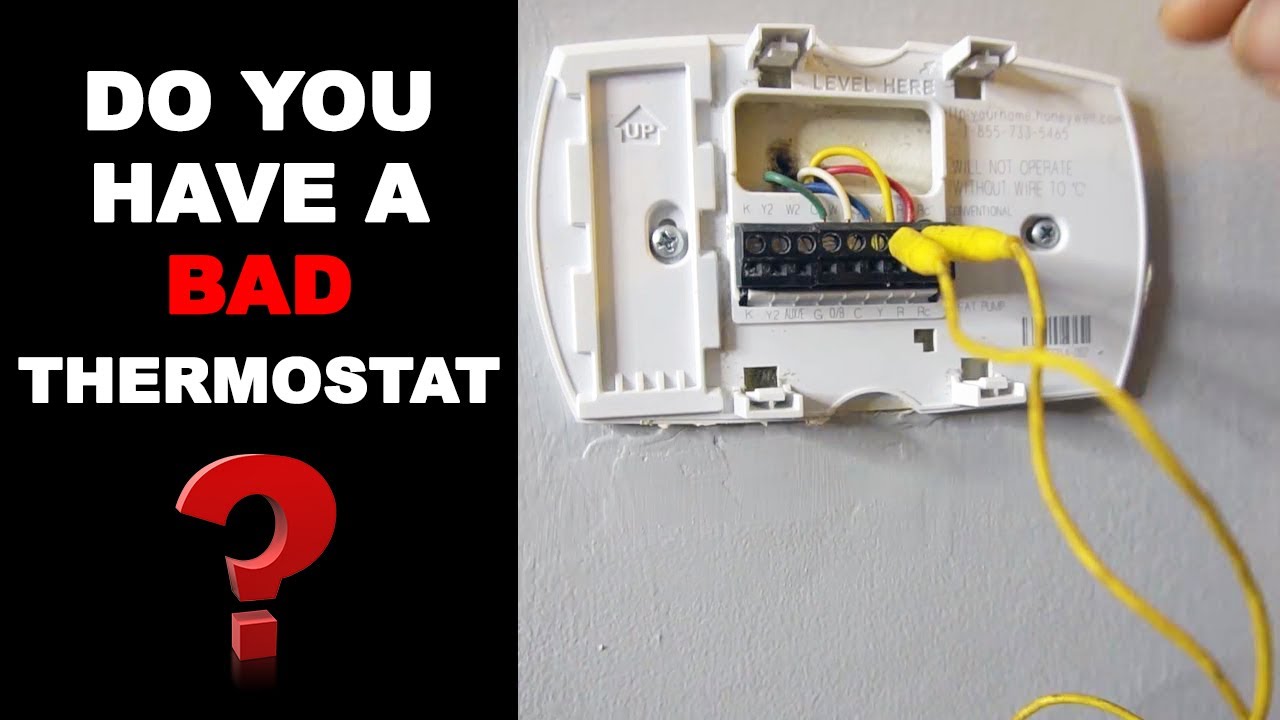
Thermostats have wires with different colors. Each color has a job. The red wireis for power. It connects to the power source. The white wireis for heat. It tells the furnace to start. The yellow wireis for cooling. It helps the air conditioner work. The green wireis for the fan. It makes the fan run.
Each wire has a function. The red wire gives power to the thermostat. The white wire controls the heat. The yellow wire cools the air. The green wire starts the fan. Understanding these wires is important. It helps in fixing problems. Always handle wires with care. Safety is important.
Steps To Bypass The Thermostat
Bypassing a furnace thermostat involves disconnecting the thermostat wires directly from the control board. This simple procedure allows the furnace to run continuously without temperature regulation. Always ensure safety by turning off power before handling electrical components.
Disconnecting The Thermostat
Begin by turning off the furnace power. Safety is important. Carefully remove the thermostat cover. Locate the wires inside. Make sure to note their colors. This helps in reconnecting them later. Use a screwdriver to loosen the screws. Disconnect each wire from its terminal. Keep wires separate to avoid confusion. Place the thermostat aside.
Connecting Wires Directly
Find the control board inside the furnace. This is where wires connect. Identify the wires you disconnected. Twist the ends of two wires together. Use wire nuts to secure them. Check if they are tight. Loose connections can cause problems. Turn the furnace power back on. Test if the furnace works. It should start heating immediately. If it doesn’t, check the connections again. Ensure wires are properly connected.
Testing The Furnace
Furnace must heat rooms evenly. Check the thermostat settings first. Make sure it’s set to heating mode. See if the temperature matches the room. Listen for strange noises. They can mean trouble. Watch for blinking lights. They show an error code. Look at the filter. It should be clean. Dust can block heat. Ensure air flows freely. Feel the vents. Warm air must flow out.
Reset the thermostat if needed. Sometimes it helps. Inspect the wiring. Loose wires can cause problems. Tighten them carefully. Check the batteries. Replace them if weak. Clean the thermostat face. Dust can affect reading. Test the circuit breaker. It must be on. Examine the fuse. Replace it if broken. Verify the control board. It should function well. Call a professional if unsure.
Restoring The Original Setup
First, find the furnace thermostat. It is usually on the wall. Make sure the power is off. This is very important for safety. Check the wires connected to the thermostat. They should be clean and not broken. If they are dirty, clean them carefully. If broken, they need fixing.
Reconnect the wires to their original spots. Each wire has a special place. Follow the color codes on the wires. This helps in connecting them correctly. Turn the power back on. Test the thermostat to see if it works. Adjust the settings on the thermostat. Make sure it controls the temperature correctly.
If the thermostat still does not work, it might need replacing. Sometimes old thermostats are faulty. Replacing them with new ones can fix the issue. Always handle with care and if unsure, ask for help.

Credit: electronics.stackexchange.com
Potential Risks And Considerations
Bypassing a furnace thermostat can be risky. It’s important to be careful. Incorrect wiring can damage your furnace. Safety hazards may arise. Gas leaks could occur. Electric shocks are possible. Professional help is often needed. Experts know the best way. They understand the dangers. DIY fixes may not work. You might make things worse. Warranty issues can come up. Manufacturers may not cover damages. Regular checks are important.
Ensure everything works well. Proper maintenance helps avoid problems. Keep things safe and secure. Furnace efficiency matters. A well-maintained furnace saves money. Energy bills stay low. Avoid quick fixes. Think before acting. Safety first always matters.
When To Call A Professional
Sometimes, fixing a furnace can be tricky. If you feel unsure or scared, it’s best to ask a professional for help. Working with furnaces can be dangerous. Professionals know how to stay safe. They have special tools and skills. This means they can fix things faster. If your furnace makes loud noises, call an expert. Strange smells are also a sign to get help. No heat coming from the furnace? That’s another time to call. Professionals make sure everything works well. They help keep your home warm and safe.
Always remember, safety comes first. Ask for help when you need it. It’s okay to call someone with more experience. They are there to help you.
Credit: www.youtube.com
Frequently Asked Questions
What Tools Are Needed To Bypass A Thermostat?
To bypass a thermostat, you’ll need basic tools like screwdrivers and wire cutters. These tools help in accessing the furnace panel and connecting wires directly. Always prioritize safety by turning off power before starting. Ensure you have a flashlight for better visibility, especially in dimly lit areas.
Is Bypassing A Furnace Thermostat Safe?
Bypassing a thermostat can be risky if not done correctly. It may lead to furnace damage or void warranties. Always consult the furnace’s manual and consider professional assistance. Safety precautions, like turning off the main power supply, are crucial. Attempting this yourself requires confidence and a basic understanding of electrical systems.
How Long Does It Take To Bypass A Thermostat?
Bypassing a furnace thermostat usually takes about 30 minutes. This includes gathering tools, accessing the furnace, and connecting wires. The time might vary based on your experience level. Ensure you work carefully to avoid mistakes. Preparation and following detailed instructions can streamline the process.
Can Bypassing A Thermostat Affect Furnace Efficiency?
Yes, bypassing a thermostat can impact furnace efficiency. It may cause the furnace to run continuously, increasing energy consumption. Without a thermostat’s regulation, the furnace lacks temperature control. This can lead to higher utility bills and potential wear on furnace components.
It’s essential to weigh the pros and cons before proceeding.
Conclusion
Mastering your furnace thermostat can be straightforward. Follow these steps cautiously. Ensure safety and efficiency. Proper understanding prevents future issues. Consult professionals for complex tasks. Regular checks keep your system running smoothly. A bypass can be useful in certain situations.
Always make informed decisions. Your comfort depends on a reliable heating system. Keep learning and stay informed. A well-maintained furnace saves energy. Enjoy a warm and cozy home.

Jaxon Wilder is a tech enthusiast and contributor at ElectroDoz, where he dives into the latest trends in electronics and smart gadgets. With a sharp eye for innovation and hands-on testing, Jaxon brings readers practical reviews, tips, and insights on everything from everyday tech accessories to advanced devices. His goal is to make technology simpler, smarter, and more enjoyable for everyone.