

What is a Rear Projector Screen: Ultimate Guide
Have you ever dreamed of turning your living room into a cinema? Maybe you’re planning a big presentation and want to leave a lasting impression.
Whatever your reason, a rear projector screen might be the solution you’re looking for. But what exactly is a rear projector screen, and why should you consider it? Imagine a screen that offers crisp, vibrant images with minimal space requirements.
A setup that can transform any room into a captivating visual experience. By the end of this article, you’ll not only understand what a rear projector screen is but also why it could be the key to unlocking your ultimate viewing experience. Get ready to discover how this technology can elevate your entertainment and presentation setups to the next level.
Rear Projector Screen Basics
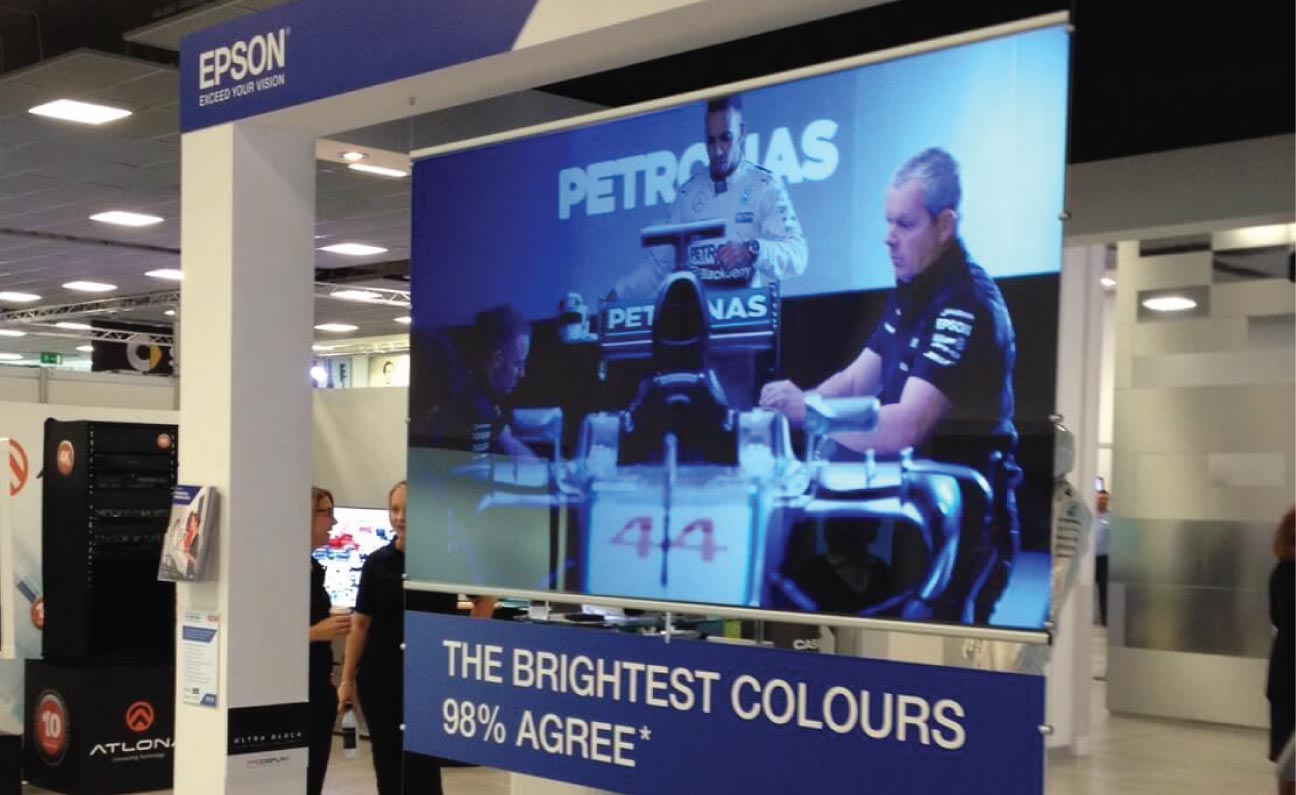
Rear projector screens let you watch movies and presentations. The screen is placed between the projector and the audience. Light from the projector passes through the screen. Then, it shows the image on the other side. Special material makes this possible. It can handle light in a unique way. This is called diffusion.
Rear screens are great for home theaters. They also work well in business meetings. A big advantage is that the projector can be hidden. This means no one gets distracted. It helps keep the room neat and tidy.
Choose a screen size that fits your space. Some screens are small; others are big. Quality matters too. A good screen shows clear images. It’s fun for everyone to watch.
Credit: prodisplay.com
Key Features
The material quality of a rear projector screen is very important. It affects the clarity and brightness of the image. Good screens use high-quality fabrics. These fabrics prevent wrinkles and creases. A smooth screen gives a better picture.
Gain measures the brightness of the screen. A higher gain means a brighter image. But too high gain can cause hot spots. The viewing angle is also important. A wide angle lets more people see clearly. Everyone gets a good view.
Portability is key for many users. Lightweight screens are easy to carry. Foldable designs help in quick setups. Portable screens are great for outdoor use. They are perfect for picnics and parties.
Types Of Rear Projector Screens
These screens stay in one place. They have a sturdy frame. People put them on walls. They give a flat surface for movies. They are best for home theaters. The picture looks clear. It does not move or shake.
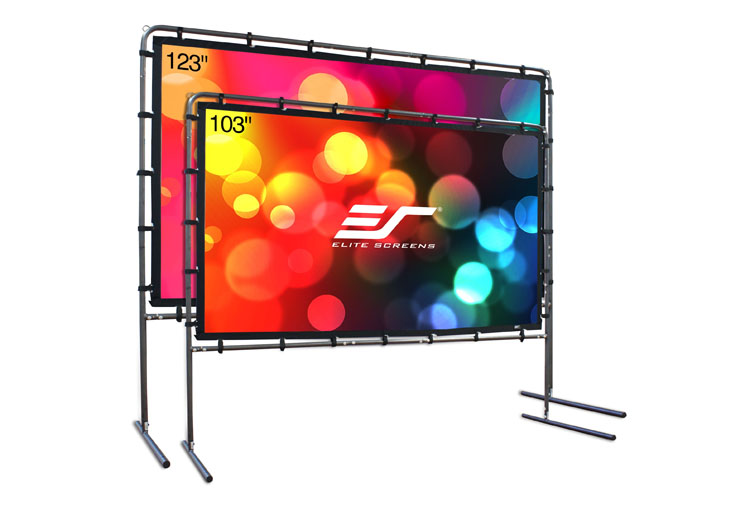
These screens are easy to carry. People take them for outdoor events. They fold up quickly. They are good for picnics. Sometimes, they come with bags. They are light. They help in different places.
Electric screens can roll down. They use a remote control. They are good for big rooms. People like them for offices. They save space on walls. You can stop them at any height. They are modern and fun.
Credit: elitescreens.com
Installation Methods
Free-standing screens are easy to move. They are very portable. You can place them anywhere. These screens have legs or support frames. No need to attach them to walls. They are perfect for outdoor events. They provide great flexibility. Just make sure the ground is flat.
Wall mounting gives a fixed position. It saves floor space. You need brackets for support. Use a drill for holes. Check the wall is strong. It is ideal for a permanent setup. This method is often used in home theaters.
Ceiling installation is less common. It requires hanging the screen. Use anchors for safety. This saves floor and wall space. It’s often used in large venues. Ensure the ceiling can support the weight. Professionals may need to help.
Advantages
Rear projector screensare great for small spaces. They can fit almost anywhere. No need for a big room. The screen saves space and looks neat. Perfect for apartments or offices.
Images on rear projector screens are very clear. They show bright colors and sharp details. This makes movies and videos look amazing. You can see everything clearly. No blur or fuzziness.
These screens are great for many situations. You can use them for presentations or fun movie nights. They work well in daylight and at night. Friends and family can watch from different angles. Everyone gets a good view.

Credit: www.youtube.com
Common Applications
Rear projector screens create an amazing movie experience at home. They show bright and clear pictures. Families love watching movies together. The screen makes the movie look big. It feels like a real theater. You can enjoy films with good sound and picture quality. Everyone enjoys this setup.
Businesses use rear projector screens in meetings. They help present ideas clearly. The screen shows slides or graphs effectively. It grabs attention. People understand better with clear visuals. Presentations look professional. Important points stand out. Meetings become more engaging and productive.
Outdoor events use rear projector screens for large crowds. They are perfect for concerts, sports, or festivals. The screen remains bright in sunlight. Everyone sees the action clearly. Events become lively and fun. It enhances the overall experience. People love attending events with great visuals.
Maintenance Tips
A rear projector screen displays images on the reverse side, perfect for tight spaces. Regular dusting helps maintain clarity. Avoid direct sunlight to prolong screen life.
Cleaning Techniques
Use a soft cloth to wipe the screen. Avoid using any harsh chemicals. Gentle soap and water can help. Dry the screen with a soft towel. This keeps it clean and bright.
Storage Guidelines
Store the screen in a cool, dry place. Keep it away from direct sunlight. Use a protective cover to avoid dust. Ensure the screen is rolled properly. This prevents wrinkles and creases.
Damage Prevention
Keep sharp objects away from the screen. Be gentle when moving it. Avoid bending or folding the screen. Handle with care to ensure long-lasting use. Regular checks for any wear or tear help a lot.
Choosing The Right Screen
Room size affects screen choice. A big room needs a big screen. Small rooms need smaller screens. Measure your room before buying. A wrong size screen may look odd. It can also affect viewing quality.
Setting a budget is important. Screens come in different price ranges. Some are cheap, others are costly. Match your budget with your needs. Spending wisely can give good results.
Think about the purpose of the screen. Is it for movies or games? Maybe for business presentations? Different uses need different screens. Pick one that fits your main purpose. This ensures better performance.
Frequently Asked Questions
What Is A Rear Projector Screen?
A rear projector screen is a surface where images are projected from behind. It allows viewers to see the image from the opposite side. These screens are ideal for environments where space is limited. They offer high image quality and are often used in professional settings.
How Does A Rear Projection Screen Work?
A rear projection screen works by allowing light to pass through from behind. The projector is placed behind the screen, projecting images onto its surface. This method reduces shadows and glare. It provides a clear and vibrant display, making it ideal for presentations.
What Are The Benefits Of Rear Projection?
Rear projection offers several benefits like reduced glare and shadows. It provides a clear and bright image. The setup is ideal for controlled lighting environments. It also allows for flexible room arrangements, as the projector is hidden from view.
Are Rear Projection Screens Expensive?
Rear projection screens can vary in price depending on size and quality. They are generally more expensive than front projection screens. However, they offer superior image quality and flexibility. Investing in a good screen can enhance viewing experiences significantly.
Conclusion
Rear projector screens offer unique advantages for viewing experiences. They provide clear images even in bright environments. This makes them ideal for business presentations and home theaters. Installation is flexible, fitting various spaces and needs. They enhance the viewing experience with vibrant colors and sharp contrasts.
Choosing the right screen depends on your specific needs. Consider size, material, and setup space. Rear projector screens are versatile options for many settings. Explore different types to find the best fit for you. Enjoy superior picture quality with a rear projector screen.
The right choice can transform your viewing experience.

Everett Ashford is an electrical engineer and expert in electronics reviews, tips, and troubleshooting. Specializing in audio and sound devices, including earbuds, AirPods, and headphones, he brings in-depth knowledge and practical advice to help consumers make informed decisions.