
How Do Smartwatches Measure Sleep: Unveiling the Secrets
Imagine waking up every morning feeling refreshed and ready to conquer the day. Sounds like a dream, right?
What if I told you that a tiny device on your wrist could help make this dream a reality? That’s right—your smartwatch does more than just notify you of messages; it can track your sleep, providing valuable insights into your nightly rest.
But how exactly does this small gadget measure sleep? You might be curious about the science behind it or eager to learn how it can improve your sleep quality. Understanding the technology behind sleep tracking can empower you to harness its full potential for better health and well-being. You’ll discover how smartwatches measure sleep, the accuracy of their data, and how you can use this information to optimize your sleep patterns. Get ready to unlock the secrets of your nightly slumber and transform the way you rest. Keep reading to uncover the magic happening while you sleep.
Credit: www.news-medical.net
Sleep Tracking Technology
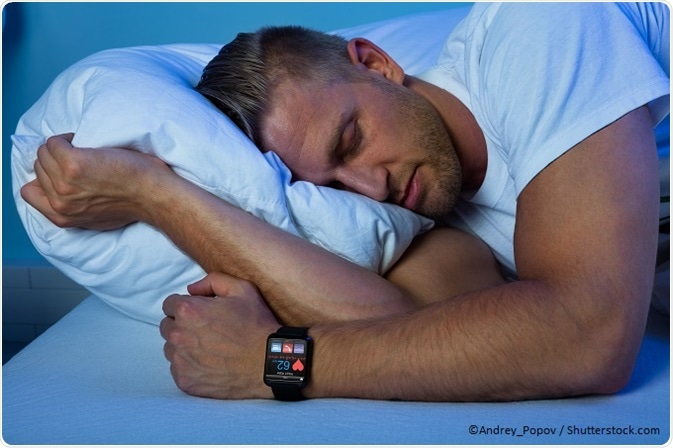
Smartwatches use tiny sensorsto track sleep. These sensors can include accelerometersand heart rate monitors. Accelerometers detect movement. They can tell if you’re tossing and turning. Heart rate monitors check your pulse. Your pulse changes during different sleep stages.
Special algorithmsprocess this data. Algorithms identify different sleep phases. Light sleep, deep sleep, and REM sleep. This helps in understanding your sleep cycle better. Smartwatches also analyze patternsover time. They provide feedback on sleep quality. This helps people improve their sleep habits.
Smartwatches collect data throughout the night. They use sensors to gather information. The data is then sent to your phone. You can see your sleep patterns in the morning. Some smartwatches use machine learningto improve accuracy. This means they learn from your sleep patterns. Over time, they get better at tracking your sleep.
Stages Of Sleep
Sleep has different stages. Each stage is important. Light sleep helps you rest. Deep sleep restores your body. REM sleep helps your brain. These stages repeat in cycles. A cycle lasts about 90 minutes. Smartwatches track these cycles. They use sensors to detect movement. Less movement means deep sleep. More movement means light sleep. This helps identify each stage.
REM sleep is when you dream. Your eyes move quickly. Non-REM sleep has three stages. Each stage is deeper than the last. Smartwatches notice these changes. They track your heart rate. Heart rate changes in different sleep stages. This helps identify REM and Non-REM sleep. Data from smartwatches is then used to improve sleep quality.
Heart Rate Monitoring
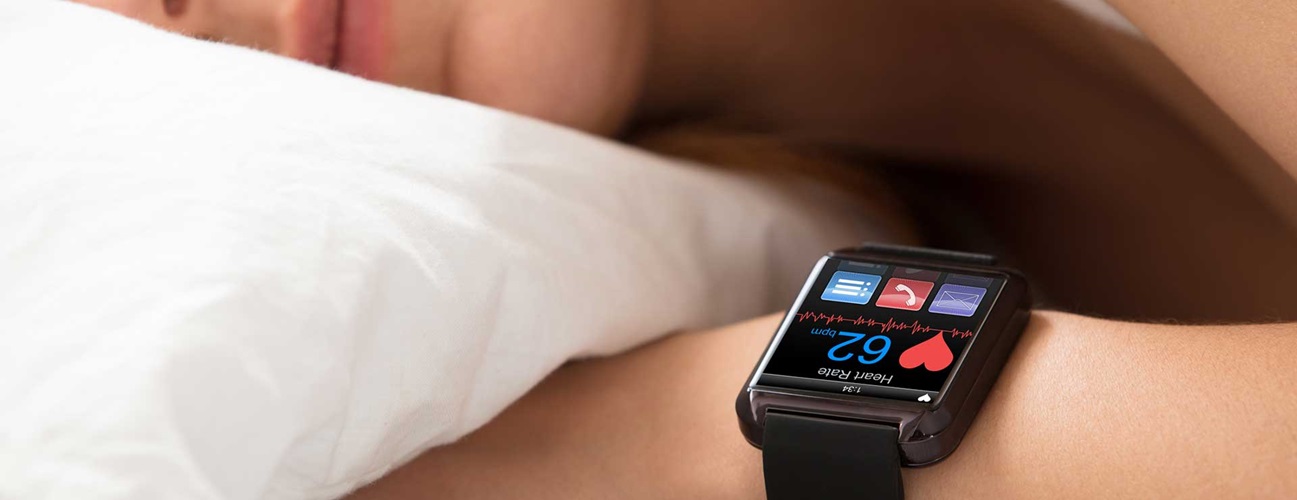
Heart rate is key in sleep analysis. Smartwatches track heart rate to understand sleep patterns. Heart rate changes during different sleep stages. In deep sleep, heart rate is low. During REM sleep, it is higher. These changes help smartwatches identify sleep stages.
Smartwatches use sensors to measure heart rate. Accuracy of these sensors is important. If sensors are not accurate, sleep analysis can be wrong. Smartwatches often use light sensors. These sensors check blood flow under skin. Accuracy improves with better sensors. Proper fit of the watch also helps. If the watch is loose, data can be wrong. Users should wear watches snugly. This ensures correct heart rate readings.
Credit: www.hopkinsmedicine.org
Movement And Motion Detection
Motion sensors are key in smartwatches. They track your movements. These sensors can tell if you move or stay still. Accurate tracking helps measure sleep. Sensors detect small movements. They know when you toss and turn. This data helps find sleep patterns. Sleep stages are identified by these sensors. They know if you are awake or asleep.
Smartwatches use motion data to see sleep and wake periods. They check movements to decide if you are awake. Low movement signals sleep time. More movement means wakefulness. Algorithms help analyze data. They make sense of motion signals. This helps in understanding sleep quality. Better data means better sleep insights.
Sleep Quality Assessment
Sleep quality is about how well you rest. It’s not just about hours. Deep sleep and light sleep are part of it. Good sleep means waking up fresh. Bad sleep makes you tired. REM sleep is important too. It helps your brain work better. Consistent sleep patterns help you feel good. Changes in patterns can make you tired.
Smartwatches use many metrics to check sleep. Heart rate is a key factor. It shows how calm or active you are. Movement tracking helps too. Less movement often means better sleep. Oxygen levels in your blood are checked. Low levels can mean poor sleep. Sleep stages are also recorded. They show different parts of sleep. All these help measure sleep quality.
Challenges And Limitations
Smartwatches use sensors to track sleep. These sensors can sometimes make mistakes. Movement, noise, and light can affect their readings. They might think you are awake when you are not. This can make the data less reliable. Wearing the watch too loosely can also affect results. It might not pick up your pulse correctly. Different brands use different methods. So, results might vary from one brand to another. Bluetooth and Wi-Fi signals can also interfere. They might confuse the watch.
Professional sleep studies are done in labs. They use many tools to measure sleep. Smartwatches have fewer tools. This makes them less detailed. Labs use EEG machines to track brain waves. Watches can’t do this. Labs can see if you have sleep problems. Watches may only show patterns. They are good for basic tracking. But they can’t replace a lab test. Labs give more accurate results.
Future Of Sleep Tracking
Smartwatches now use advanced sensors to track sleep. These sensors monitor heart rate and movement. They help in understanding sleep patterns better. Smart algorithms analyze this data. They show how much you sleep. And how well you sleep. This technology keeps getting better. It can even learn from your sleep habits. With these advancements, sleep tracking becomes more accurate.
Future smartwatches might offer personalized sleep advice. Each person sleeps differently. So, having data just for you helps a lot. You can know what affects your sleep. Maybe it’s light. Or noise. Or even what you eat. With this insight, you can change habits. Sleeping better means feeling better. And doing better in school or work. Personalized insights make sleep tracking more useful.

Credit: www.reddit.com
Frequently Asked Questions
How Do Smartwatches Track Sleep Stages?
Smartwatches use sensors to monitor movements and heart rates during sleep. This data helps identify sleep stages like light, deep, and REM sleep. Advanced algorithms analyze patterns to provide insights into sleep quality and duration. The combination of these technologies offers users a comprehensive view of their sleep cycles.
Are Smartwatches Accurate For Sleep Tracking?
Smartwatches offer a reasonable accuracy for sleep tracking. They effectively monitor sleep patterns, although they may not match clinical standards. Factors like device quality and proper wear can impact results. For detailed sleep analysis, a medical-grade sleep study is recommended.
Nonetheless, smartwatches provide valuable insights into personal sleep habits.
Can Smartwatches Detect Sleep Disorders?
Smartwatches can indicate potential sleep disorders by tracking irregular sleep patterns. They provide preliminary insights, but are not diagnostic tools. For accurate diagnosis, consult a healthcare professional. Smartwatches can be useful for identifying trends that may warrant further investigation by a sleep specialist.
What Sensors Do Smartwatches Use For Sleep Tracking?
Smartwatches primarily use accelerometers and heart rate monitors to track sleep. The accelerometer detects body movements, while the heart rate monitor measures pulse variations. These sensors work together to determine sleep stages and quality. Some advanced models also include SpO2 sensors to measure blood oxygen levels during sleep.
Conclusion
Smartwatches offer a simple way to track sleep patterns. They use sensors to monitor movements. This data helps in understanding sleep quality. Knowing sleep stages is important for health. Smartwatches make it easier to adjust sleep habits. Better sleep leads to improved well-being.
They provide a convenient solution for sleep monitoring. For those interested in sleep health, smartwatches are useful. They are effective in offering insights. Their technology continues to advance, making them more reliable. Consider their benefits for a healthier lifestyle. Embrace the ease of sleep tracking with these devices.
Sleep better, feel better.

Finnian Delaney is a seasoned writer and editor specializing in technology and electronics. At ElectroDoz, he covers a wide range of topics, with a focus on MacBooks, laptops, fitness trackers, keyboards, and computer hardware. With a knack for making complex tech accessible, Finnian helps readers stay informed and confident when choosing their next device or upgrade.


