

How Do Smartwatches Measure Blood Pressure: A Deep Dive
Imagine having a mini health assistant right on your wrist. You glance at your smartwatch, and it tells you something incredibly important: your blood pressure.
But how does it do that? If you’ve ever wondered how these sleek devices measure something so crucial, you’re not alone. Understanding the technology behind blood pressure monitoring can empower you to make better health decisions every day. You’re about to discover how smartwatches, with their tiny sensors and advanced algorithms, can give you insights into your health in a way that’s both convenient and reliable.
Dive in, and let’s uncover the fascinating process that turns a simple watch into a powerful health tool.
Technology Behind Smartwatches
Smartwatches use special sensors to check blood pressure. These sensors are tiny and fit inside the watch. They can feel the pulse of your wrist. Some watches use light sensors. The light shines on your skin and measures changes. This helps in knowing your heart’s rhythm. Other components like microprocessors help in processing the data. The data is then shown on the watch screen. All these parts work together to keep track of your health.
The watch uses software algorithms to read the data from sensors. These algorithms are like smart math formulas. They help in understanding the heart’s pulse. The watch can then tell your blood pressure. It compares the data with standard charts. This helps in giving accurate readings. The software also checks for errors. If there is a mistake, it tries again. This ensures the reading is right. All this happens in a few seconds.
Blood Pressure Basics
Blood pressure measures how hard blood pushes against artery walls. It is shown as two numbers. The first number is systolic. This tells the pressure when the heart beats. The second number is diastolic. This tells the pressure when the heart rests between beats. Normal blood pressure is around 120/80 mmHg. High or low blood pressure can be harmful. It is important to keep track of it.
Monitoring blood pressure helps keep the heart healthy. It can warn of problems early. Smartwatches can measure blood pressure. They use special sensors. These sensors check how blood moves. This way, you can check your blood pressure anytime. Regular checks help you stay healthy. This is why many people use smartwatches.
Methods Of Measurement
Smartwatches use optical sensors to track blood flow. These sensors shine light through your skin. They detect changes in light absorption. Blood flow changes how much light is absorbed. This information helps measure heart rate. Some watches estimate blood pressure from this data. Optical sensors are non-invasive. They are safe and easy to use.
The oscillometric technique is common in medical devices. Smartwatches adapt this method for wrist use. They measure the pressure changes in your arteries. This happens when blood moves. These changes help calculate blood pressure. The technique is accurate. It is used in many digital blood pressure monitors.
Pulse Transit Time measures the speed of a pulse wave. This wave travels between two points in your body. The smartwatch detects this speed. Faster speeds can mean higher blood pressure. Slower speeds can mean lower pressure. This method gives estimates. It is not as precise as direct measurement.

Credit: www.rschrono.com
Accuracy And Reliability
Smartwatches use sensors to measure blood pressure. These sensors can be less accurate than traditional devices. Traditional devices use cuffs and have been tested for years. Smartwatches are new and may not always be reliable. They can give readings that are close, but not exact. It is important to check results with a doctor. Smartwatches are still helpful for quick checks. They can tell if something might be wrong. Always use a traditional device for best accuracy.
Comparisons With Traditional Devices
Traditional devices measure blood pressure with cuffs. Smartwatches use sensors on the wrist. Cuffs give more accurate results. Sensors can be affected by movement. It’s easier to move when wearing a smartwatch. This can change the readings. Traditional devices have more parts to check blood pressure. Smartwatches are simple. They use less parts to measure pressure.
Factors Affecting Readings
Many factors affect smartwatch readings. Movement can change the results. Too much motion can make readings wrong. Skin tone can affect how sensors work. Dark skin might give different results. Temperature also matters. Cold weather can make the blood pressure look different. Smartwatches are good for quick checks. Always use other devices to be sure.
Challenges And Limitations
Smartwatches face challenges and limitations in accurately measuring blood pressure. Wrist-based sensors struggle with precise readings due to movement and external factors. Calibration and consistency remain critical issues, demanding advancements in technology for reliable health monitoring.
Technical Constraints
Smartwatches use special sensors to check blood pressure. These sensors are small and delicate. Accuracy can be a challenge. Small errors might happen. Smartwatches need to be charged often. If the battery is low, readings may be wrong. The watch must fit snugly on the wrist. A loose fit can cause errors. Software inside the watch also affects measurements. It needs regular updates. Without updates, the watch may not work well. Some watches don’t work well for everyone. Different skin tones and wrist sizes can affect readings. The environment also matters. Cold or hot weather can change results.
User Errors
People make mistakes when using smartwatches. Wearing the watch wrong affects readings. The watch should be at heart level. Moving too much while measuring can cause errors. Some people don’t follow instructions well. They might forget to keep still. Not checking the watch settings can lead to wrong results. Users should read the manual carefully. Many users ignore updates. Without updates, watches might not work right.
Future Of Blood Pressure Monitoring
Smartwatches are getting better at checking blood pressure. They use tiny sensors that feel the pulse on your wrist. These sensors are small but very accurate. They work like magic. New smartwatches can do this without a cuff. This means no squeezing your arm. It’s much more comfortable. Engineers are working on making these sensors even smarter. They want them to be faster and more reliable. Some watches can even send data to your doctor. This helps in managing health better. Smartwatches might soon predict heart problems before they happen. This is a big step for health care. Who knows what they’ll do next?
Today’s smartwatches are good, but they can be better. One improvement could be battery life. Longer battery life means fewer charges. Another is making them more comfortable to wear. Some people find them too tight. Better designs could solve this. The software can also get smarter. It might offer better health tips. More languages could be added too. This would help more people use them. Engineers are working on these upgrades. These changes will make smartwatches even more useful for everyone.
Choosing The Right Smartwatch
Smartwatches can do many things. They can measure blood pressure. Some watches use light to check your pulse. Others use tiny cuffs. These cuffs squeeze your wrist. Both are helpful. But, not all watches are the same.
Look for watches with long battery life. A dead watch is not useful. Check for water resistance too. You might wear it in the rain. A clear display is very important. You want to see the numbers easily.
Some smartwatches are very popular. Apple Watch is one. It has many features. Another is Samsung Galaxy Watch. It is also very good. Fitbit is famous for fitness tracking. Each has its own special features. Choose the one that fits your needs best.
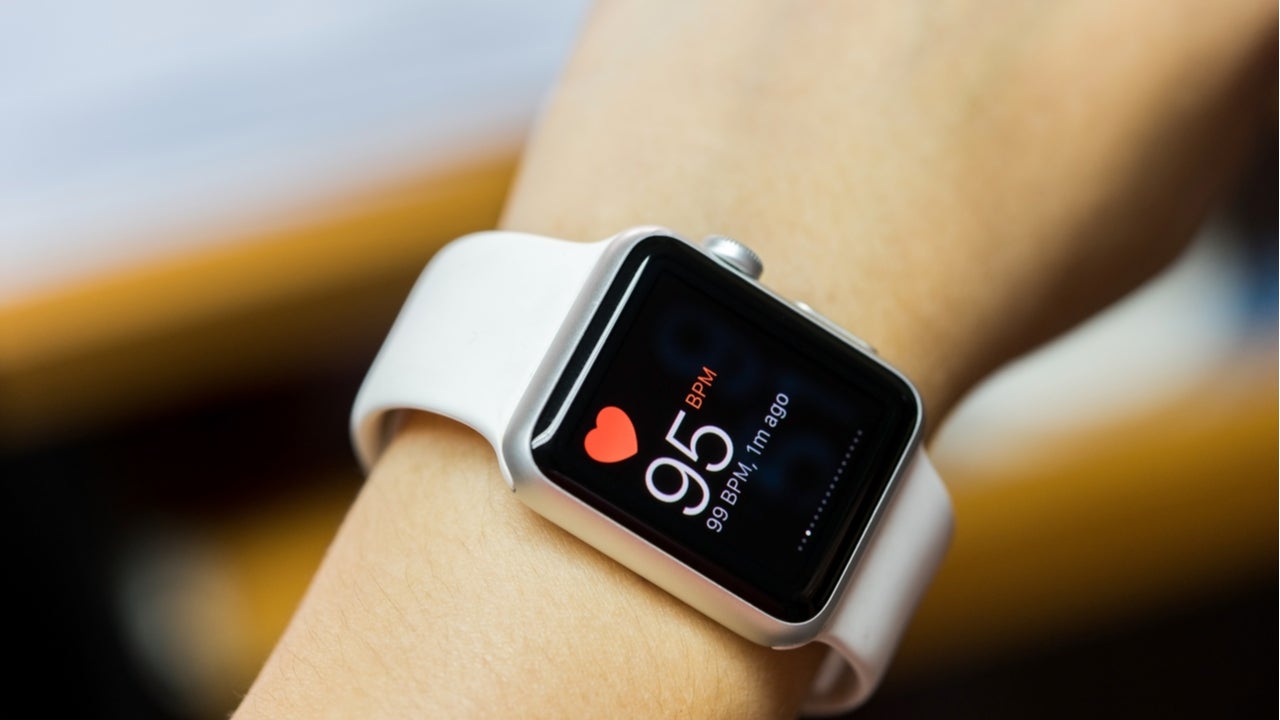
Credit: www.medicaldevice-network.com

Credit: www.blackview.hk
Frequently Asked Questions
How Do Smartwatches Measure Blood Pressure?
Smartwatches use optical sensors to detect changes in blood flow. These sensors emit light into the wrist and measure the light reflected back. By analyzing these light variations, the smartwatch estimates blood pressure. This method is non-invasive and convenient, offering users a quick way to monitor their health.
Are Smartwatch Blood Pressure Readings Accurate?
Smartwatch blood pressure readings can vary in accuracy. They offer estimates rather than medical-grade measurements. Factors like wrist position and movement affect accuracy. For precise health monitoring, consult a healthcare professional. Smartwatches provide a general overview but should not replace professional equipment.
Can Smartwatches Replace Traditional Blood Pressure Monitors?
Smartwatches are not a replacement for traditional monitors. They offer convenient tracking but lack clinical accuracy. Traditional monitors provide precise measurements necessary for medical diagnosis. Use smartwatches for casual monitoring. For health concerns, rely on professional equipment and consult healthcare providers for accurate assessments.
What Factors Affect Smartwatch Blood Pressure Accuracy?
Several factors affect the accuracy of smartwatch blood pressure readings. These include wrist position, movement, and skin tone. Proper calibration is crucial for better accuracy. Environmental conditions like temperature and humidity can also influence readings. Always follow device instructions for optimal results.
Conclusion
Smartwatches offer a convenient way to monitor blood pressure. They use advanced sensors and algorithms. These devices provide insights into heart health. Regular checks can help detect potential issues early. Understanding how they work enhances trust in technology. It’s important to follow manufacturer guidelines for accuracy.
Consult a doctor for any health concerns. Smartwatches are a useful tool, but not a replacement for professional advice. They fit well into a healthy lifestyle. Always stay informed and make the best choices for your health.

Finnian Delaney is a seasoned writer and editor specializing in technology and electronics. At ElectroDoz, he covers a wide range of topics, with a focus on MacBooks, laptops, fitness trackers, keyboards, and computer hardware. With a knack for making complex tech accessible, Finnian helps readers stay informed and confident when choosing their next device or upgrade.


