
Are Security Cameras an Invasion of Privacy? Uncover Truths
Have you ever felt watched, even when you’re alone? As you walk through the city or visit your favorite café, you might spot the subtle presence of security cameras.
These devices, designed to protect and monitor, have sparked a heated debate: are they safeguarding us, or are they invading our privacy? This question isn’t just about technology; it’s about your right to feel secure without feeling surveilled. Imagine a world where every move you make could be recorded and analyzed.
How does that make you feel? Intrigued or uneasy? As we delve into this issue, you’ll uncover the surprising truths and myths surrounding security cameras. You’ll gain insights that could change the way you view these silent observers. Keep reading to discover if these cameras are your ally or an unwelcome intruder in your life.
Credit: www.orfonline.org
The Rise Of Security Cameras
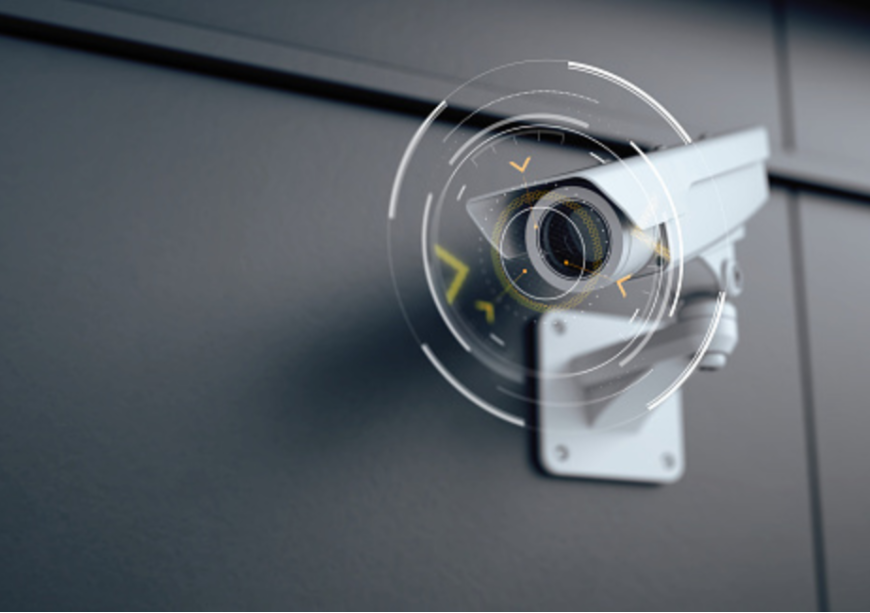
Security cameras have been around for many years. In the past, they were large and costly. Only big companies and rich people could use them. Over time, the cost went down. More places started using them. Now, cameras are everywhere. Streets, stores, and homes have them. People feel safe with cameras watching. They can see crimes and stop them. But, some worry about privacy. Cameras see everything. People wonder who watches the videos. Is it safe? Or is it too much?
Today, security cameras are very smart. They can see in the dark. Some cameras even hear sounds. They can send alerts to phones. Small cameras are easy to hide. This makes them useful, but some people worry. Who is watching? Are they using cameras for bad things? New technology helps keep us safe. But it also raises questions. Privacy and safety are both important. Finding a balance is key.
Privacy Concerns
Security cameras watch public places. Some people think this is good. Cameras catch bad guys and stop crimes. Others feel watched all the time. They feel no privacy outside. This makes some people uneasy. They wonder who watches the footage. They ask how long it is kept. Security is important. But privacy matters too.
People feel safe at home. Cameras inside homes can change that. They might record private moments. This makes people worried. They fear hackers might see the footage. Friends and family might feel watched too. It’s important to protect personal space. Cameras should be used wisely. They must not invade privacy at home.
Legal Framework
Regulations and Lawshelp protect privacy. Many countries have specific rulesfor security cameras. These laws say where cameras can be used. They also say how footage can be stored. Privacy laws aim to balance safety and personal privacy. Businesses must follow these rules. Violating them can lead to big fines. Cameras in homes have fewer rules. But privacy must still be respected. Cameras cannot record private places. Bathrooms and bedrooms are off-limits. Public spaces have more freedom. Yet, signs must inform people about cameras. Keeping footage safe is key. Only authorized people should see it. Rights and Protections are strong. They help keep privacy safe. If cameras are misused, people can report it. Authorities can take action. Everyone has a right to privacy. Laws protect this right.

Credit: www.backstreet-surveillance.com
Ethical Dilemmas
Security cameras help keep people safe. But they can also watch too much. This leads to a big question. How do we balance security and privacy? People want to feel safe. But they also want their privacy. Cameras can make people feel watched. It’s important to find a fair balance.
People should know when cameras are used. It’s called consent. Telling people about cameras builds trust. They should know why cameras are there. This is called being transparent. It’s important to keep people informed. Everyone deserves to know how their information is used. This helps protect their rights.
Impact On Society
Security cameras change how people act. People might feel watched. This leads to more careful behavior. Some think cameras make us safer. Others feel uncomfortable. They worry about their privacy. Cameras can make people feel nervous or judged. This affects how people interact in public places.
Opinions about security cameras differ. Some people feel protected. Others feel their privacy is invaded. Cameras help catch criminals. Yet, some worry about who watches the footage. Trust in authorities is important. People want to know how their data is used. Public opinion can shift based on news and events. Clear rules can help ease concerns.
Technological Solutions
Many people worry about their privacy. Privacy-preserving technologies help ease these worries. These tools keep your data safe. One such technology is end-to-end encryption. It keeps camera footage private. Only certain people can view it. Another tool is facial blurring. It hides faces in videos. This keeps identities secret. Data minimization is also important. It stores only needed data. This reduces privacy risks.
New ideas in surveillance make cameras smarter. Artificial intelligence (AI) helps cameras learn. They can spot unusual things. Smart cameras can tell between people and objects. They send alerts only when needed. Cloud storage keeps video safe and easy to access. It also reduces the risk of losing data. These innovations make cameras more efficient and privacy-friendly.
Future Trends
Balancing safety and privacy sparks debate as security cameras become more common. They offer protection, but some worry about privacy loss. This trend challenges how society views personal space in public areas.
Emerging Technologies
Security cameras are becoming smarter. New cameras use AI technology. They can recognize faces and objects. These cameras learn over time. They get better at spotting changes. Privacy concernsgrow as technology evolves. People worry about personal data. They fear data will be misused. Companies must handle data with care. Clear rules are needed. Everyone wants safety and privacy.
Potential Shifts In Policy
Governments may change privacy laws soon. Public opinioncan influence these changes. People want more control over their data. Laws could become stricter. Security camera use may be limited. New policies might protect personal spaces. Balancebetween security and privacy is crucial. Policymakers must listen to citizens. Fair rules benefit everyone. Transparency is key to trust.
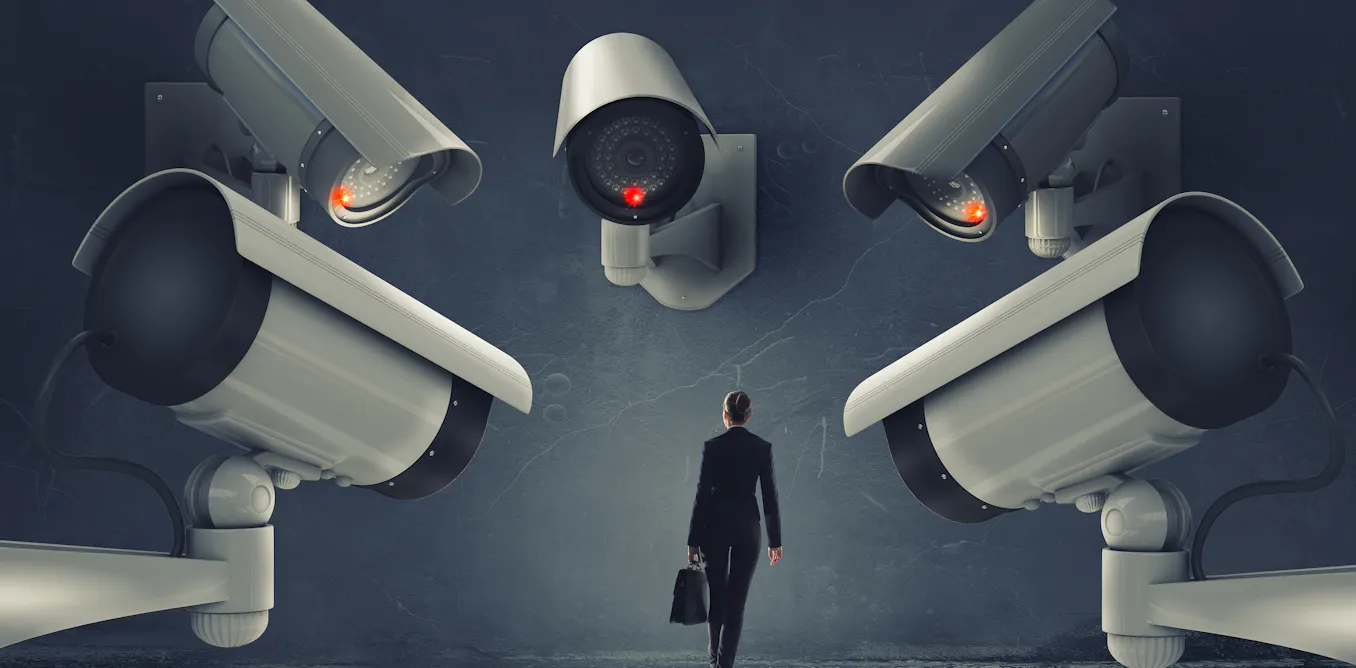
Credit: theconversation.com
Frequently Asked Questions
Do Security Cameras Invade Personal Privacy?
Security cameras can raise privacy concerns, especially if used without consent. They monitor activities and can be intrusive. However, they enhance safety and deter crime. Proper placement and usage respecting legal guidelines can mitigate privacy issues. Balancing security needs with privacy rights is essential for ethical surveillance.
Are There Laws Regulating Security Camera Use?
Yes, many regions have laws on security camera usage to protect privacy. These laws dictate where cameras can be placed and how footage is used. Businesses and homeowners must comply with these regulations to ensure they’re not violating privacy rights.
Understanding local laws is crucial for responsible camera use.
How Can Security Cameras Protect Privacy?
Security cameras can protect privacy by monitoring and preventing unauthorized access to private spaces. They help in identifying intruders and collecting evidence of unlawful activities. Using cameras responsibly, with clear signage and consent, can ensure they serve as protective tools rather than privacy invaders.
Can I Request Camera Footage Of Myself?
Yes, you can usually request camera footage if you appear in it. This depends on local laws and the entity’s privacy policies. Businesses and public places often have procedures for requesting footage. It’s important to know your rights regarding access to surveillance recordings in your area.
Conclusion
Security cameras spark debate about privacy. They offer safety, but raise concerns. People worry about constant surveillance. Privacy rights are crucial. Balancing safety and privacy is key. Discussing regulations helps protect individuals. Technology evolves rapidly. Society must adapt thoughtfully. Conversation is vital.
Consider the benefits and risks of security cameras. Think about their impact on daily life. Make informed choices. Respect privacy, but ensure safety. Encourage dialogue on privacy issues. Stay informed and engaged. Your voice matters.

Jaxon Wilder is a tech enthusiast and contributor at ElectroDoz, where he dives into the latest trends in electronics and smart gadgets. With a sharp eye for innovation and hands-on testing, Jaxon brings readers practical reviews, tips, and insights on everything from everyday tech accessories to advanced devices. His goal is to make technology simpler, smarter, and more enjoyable for everyone.